7 Best Ways to Reduce EV Charging Costs?

Time:2026-09-07 Author:Henry
0%

Reducing electric vehicle charging costs begins with understanding where, when, and how you charge. A 60-kWh battery filled at home during off-peak hours can cost far less than a fast-charging session beside a highway. However, electricity prices vary widely by location, provider, and time. The calculation is not perfectly clean.

As John Voelcker, an EV journalist and industry analyst, explains, “Home charging is almost always cheaper than public charging.” That practical observation supports this guide’s focus on how to reduce charging costs for electric vehicles. The seven strategies will examine home charging, time-of-use tariffs, public-network pricing, workplace charging, and efficient route planning. They will also consider charging speed and battery behavior.

Small choices can create visible savings. Scheduling a charger for 11 p.m. may avoid daytime rates. Comparing membership plans can reduce repeated public-session fees. Checking idle charges before leaving matters too. A route that adds 12 miles may still save money if it avoids expensive rapid charging.

Real-world experience also exposes uncomfortable details. Home charging is not available to every driver. Apartment residents may face installation costs or limited parking access. Fast charging saves time, but convenience often carries a premium. Even energy losses between the outlet and battery can complicate estimates.

For that reason, the best approach is not simply “charge cheaply.” It is to match charging speed, location, and timing with each trip. Keep the receipts. Review the data. Some savings will be smaller than expected, but the pattern usually becomes clearer.
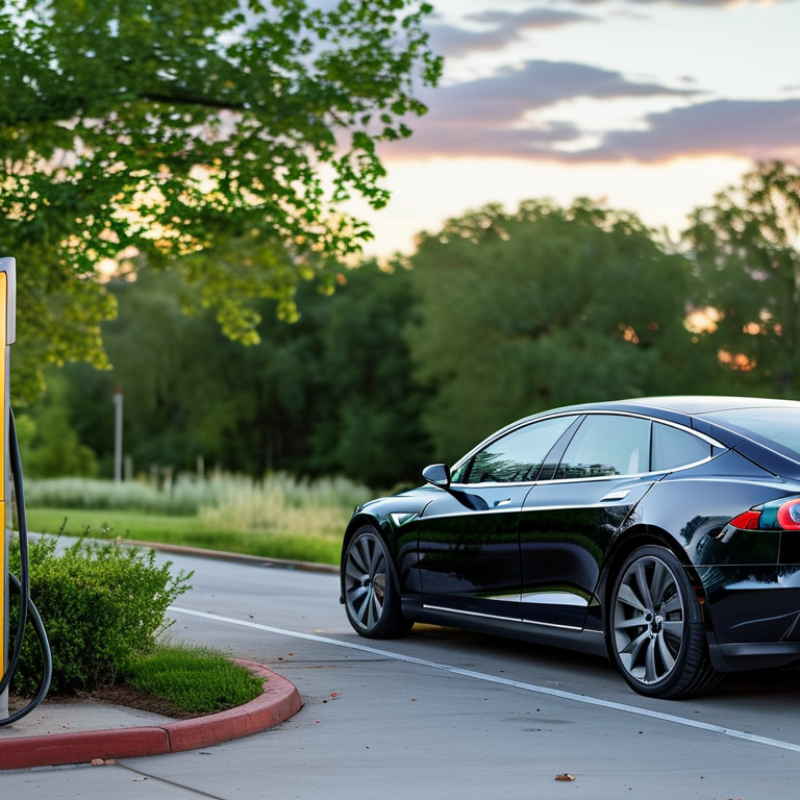
7 Best Ways to Reduce EV Charging Costs?

Understand the Main Factors That Determine EV Charging Costs

7 Best Ways to Reduce EV Charging Costs?

Understand the Main Factors That Determine EV Charging Costs

Charging an EV is not priced by the electricity meter alone. The final cost depends on where, when, and how efficiently energy enters the battery. Home charging usually costs less than public charging, but the result depends on your electricity tariff. A time-based plan may offer cheaper overnight rates. Check the actual price per kilowatt-hour, including taxes and service fees.

Timing matters. Avoid peak periods when demand raises electricity prices. A scheduled overnight session can reduce costs without changing your routine. Charging speed also affects spending. High-power public chargers often carry higher rates, connection fees, or parking charges. They are useful during travel, but regular use can become expensive.

Battery losses are easy to overlook. Some energy becomes heat while charging, especially in cold weather or during fast charging. Keeping the battery between moderate charge levels may improve efficiency over time. Tire pressure and driving style matter too. Aggressive acceleration can increase the energy needed for every trip.

Use the cheapest suitable location. That is the practical rule. Compare home, workplace, and public charging prices before plugging in. A simple monthly record can reveal hidden costs, although my early estimates were too optimistic because I ignored parking fees. Installation expenses also deserve attention. A lower charging rate may be cheaper overall if it avoids unnecessary electrical upgrades. Check every fee. Small charges can quietly change the calculation.

Choose Off-Peak Hours and Lower-Cost Electricity Plans

7 Best Ways to Reduce EV Charging Costs?

Choose Off-Peak Hours and Lower-Cost Electricity Plans

Charging during off-peak hours can reduce your electric vehicle’s energy cost. Many electricity providers offer lower rates overnight or during midday. Check your latest tariff schedule before changing your routine. Prices can vary by weekday, season, and household plan. A smart charger or vehicle timer can begin charging after rates drop. Set the end time before your morning trip. This avoids unnecessary daytime charging.

Compare electricity plans carefully, not only their advertised rates. Review fixed charges, time-of-use periods, and usage limits. A cheaper night rate may include higher daytime costs. Calculate your monthly driving distance and estimated energy use. Then compare the full bill, rather than one attractive number. Charging to 80 percent may also reduce idle time and prevent wasted electricity. However, some journeys require a higher charge. Convenience still matters.

Tips: Track three bills before switching plans. Record charging time, energy used, and total cost. Avoid charging immediately after returning home if peak pricing applies. Public chargers can sometimes cost more than home charging, especially during busy periods. Check local regulations and your charger’s safety instructions. A qualified electrician should inspect new home equipment. Small changes help, but my assumptions may be wrong without real meter data. Recheck the plan after one season.

Compare Home, Workplace, Public, and Fast Charging Options

7 Best Ways to Reduce EV Charging Costs?

Home charging is usually the most predictable option. Overnight electricity rates may be lower, especially with a time-of-use plan. A typical 7 kW charger can add useful range while the car sits unused. Check your electricity bill, not just the advertised rate. Connection fees and taxes can change the real cost. Home charging also avoids repeated public-station parking charges.

Workplace charging can be cheaper, but policies differ widely. Some employers offer free charging, while others charge by kilowatt-hour or parking time. Public AC chargers often cost more than home charging, yet they suit longer stops. Fast charging saves time but commonly has higher energy prices. It may also add idle fees after the battery reaches its limit. Compare the total price, charging speed, and time spent away from the vehicle.

Tips: Charge at home when the car is parked overnight. Use workplace charging during long shifts, if the rate is reasonable. Reserve public AC charging for gaps in your schedule. Use fast charging when travel distance makes it necessary, not automatically. Check prices before arriving, because rates can change by location and hour. A simple cost spreadsheet helps, although it may miss battery losses. That detail matters. Measuring energy from the wall gives a more honest comparison than relying only on the car’s dashboard.

Reduce Extra Fees Through Smarter Charging Habits

7 Best Ways to Reduce EV Charging Costs?

Reduce Extra Fees Through Smarter Charging Habits

Charging an electric vehicle cheaply requires attention to small details. Charging at home is often less expensive, especially during off-peak hours. Check your electricity schedule before setting a timer. A late-night session may cost less than a crowded evening session. Keep the battery between 20% and 80% when possible. This can reduce long charging sessions and support battery health. I once charged at 95% before a short trip, which was unnecessary. That mistake changed my routine.

Public charging needs more planning. Compare the energy price, connection fee, and parking charge before plugging in. Some stations add idle fees after charging ends, so set an alarm on your phone. Choose a location where you can leave promptly. Plan routes with fewer charging stops, but keep a safety margin for traffic and weather. A nearly empty battery can force you into the first available station. That choice may be expensive. Clean the charging port and inspect the cable before use. Poor connections can slow charging and waste time. Keep payment and vehicle software updated, but review every setting carefully. Prices and tariffs can change without notice. Save receipts and check the final amount against the displayed rate. Small errors are easy to overlook.

Create a Seven-Step Plan to Lower Your Total EV Charging Costs

7 Best Ways to Reduce EV Charging Costs?

Create a seven-step plan before changing your charging habits. Step one is tracking: record energy used, charging location, time, and total price for four weeks. My own spreadsheet showed small fees were easy to miss. Step two compares home, workplace, and public charging prices. The U.S. Department of Energy’s Alternative Fuels Data Center notes that home charging often costs less than public charging, but tariffs and connection fees can change that result.

Step three is shifting charging to cheaper hours. Check your electricity tariff and schedule charging after the evening peak, when possible. Step four is setting a daily charging limit instead of charging automatically every night. A full battery is not always necessary. Step five improves efficiency: maintain correct tire pressure, remove unnecessary cargo, and precondition the cabin while plugged in. The International Energy Agency reported more than four million public charging points worldwide at the end of 2023, so drivers should compare convenience against session fees, parking charges, and energy prices.

Step six is managing charging power. A slower home session may cost less when demand charges or peak rates apply. Step seven reviews the plan monthly using actual bills, not estimates. This is where many plans fail. Weather, driving distance, and seasonal tariffs distort simple comparisons. Keep a small reserve for urgent public charging, but question every expensive session. Prices change. Your routine should change with them.

7 Best Ways to Reduce EV Charging Costs? - Create a Seven-Step Plan to Lower Your Total EV Charging Costs
Step Cost-Reduction Action How to Apply It Planning Data or Benchmark Estimated Annual Effect Best Use Case
1 Charge mainly at home Use residential charging for routine daily driving and reserve public charging for trips or emergencies. Illustrative home electricity rate: $0.16/kWh, compared with approximately $0.35/kWh for public AC charging and $0.55/kWh for DC fast charging. About $684 saved when 80% of annual energy is shifted from public AC charging to home charging. Drivers with parking near a household electrical outlet or dedicated charger.
2 Schedule charging during lower-rate hours Set the vehicle or charger to begin charging during the utility’s off-peak period, when available. Example rate difference: $0.16/kWh off-peak versus $0.28/kWh on-peak; savings equal $0.12 per shifted kWh. About $432 saved if 3,600 kWh per year are moved to the lower-priced period. Households with time-of-use electricity pricing and flexible overnight charging.
3 Limit unnecessary DC fast charging Use slower AC charging for overnight or extended parking and use DC fast charging only when travel time requires it. Example price difference: $0.55/kWh for DC fast charging versus $0.16/kWh at home; difference equals $0.39 per kWh. About $468 saved by replacing 1,200 kWh of avoidable DC fast charging with home charging. Drivers who normally have several hours available to recharge.
4 Reduce charging losses Keep cables and connections in good condition, avoid unnecessary preheating while unplugged, and use scheduled charging when practical. Typical AC charging losses are often around 10% to 15%; reducing losses from 15% to 10% saves approximately 5% of purchased electricity. About $96 saved at 12,000 miles per year, 0.30 kWh per mile, and $0.16/kWh. All EV owners, especially those with high annual mileage.
5 Improve driving efficiency Maintain recommended tire pressure, reduce unnecessary cargo, use steady acceleration, and limit high-speed driving when practical. A 10% efficiency improvement changes energy use from 0.30 to approximately 0.27 kWh per mile. About $576 saved at 12,000 miles per year and a home electricity rate of $0.16/kWh. Drivers with frequent highway travel, heavy loads, or low tire pressure.
6 Compare public charging prices before starting Check the displayed price, session fee, idle fee, and any time-based charge before plugging in. Avoiding a $0.10/kWh premium on 600 kWh of public charging saves $60; avoiding one $20 idle fee increases the total benefit. About $80 saved per year under the example usage pattern. Drivers who regularly use public charging or take long-distance trips.
7 Track energy use and review the plan monthly Record home, public AC, and DC fast charging separately, then adjust charging times and trip routines based on actual usage. Use the formula: charging cost = purchased kWh × price per kWh + applicable session or parking fees. Potential additional savings of 3% to 8% by identifying avoidable public sessions, fees, and peak-period charging. Drivers who want measurable, long-term control over total charging costs.
Planning assumptions: The annual estimates use 12,000 miles of driving, 0.30 kWh per mile of vehicle energy use, and a home electricity rate of $0.16 per kWh. Actual savings vary by location, utility tariff, vehicle efficiency, charging losses, taxes, parking fees, and driving habits.

FAQS

: What mainly determines an EV charging cost?

: Cost depends on electricity rates, charging location, timing, power level, and battery efficiency. Taxes, connection fees, and parking charges also matter. Check every fee.

Is home charging usually cheaper than public charging?

Often, yes. Home charging may avoid session fees and parking charges. However, your electricity plan can change the result. Compare actual prices.

When is the cheapest time to charge?

Overnight or midday may offer lower rates. Check your tariff because prices vary by season, weekday, and household plan. Peak hours can cost more.

How can a timer reduce charging costs?

Set the vehicle or charger to begin after peak pricing ends. Choose an end time before your morning trip. This avoids unnecessary daytime charging.

Does faster charging always cost more?

Not always. High-power public charging may include higher energy rates or connection fees. Parking charges can add more. Fast charging suits travel, not every daily session.

Can charging to 80 percent save money?

It may reduce charging time, idle time, and wasted electricity. A higher charge may still be necessary for longer journeys. Convenience matters too.

What driving habits can improve charging efficiency?

Keep tires correctly inflated and remove unnecessary cargo. Gentle acceleration uses less energy. Precondition the cabin while the vehicle remains plugged in.

How should drivers track charging expenses?

Record energy used, location, charging time, and total price for four weeks. Review taxes, fees, and parking costs separately. My early estimates were too optimistic.

Is slower home charging always the best choice?

No. A slower session may reduce costs under peak pricing. But electrical upgrades can make installation more expensive. Get qualified safety advice.

How often should charging plans be reviewed?

Review real bills monthly, then reassess after one season. Weather, driving distance, and tariffs can distort simple comparisons. Prices change.

Conclusion

Reducing EV charging costs starts with understanding what drives the total price, including electricity rates, charging speed, battery size, network fees, and payment policies. A practical guide to how to reduce charging costs for electric vehicles should compare home, workplace, public, and fast-charging options, since each offers different convenience and pricing. Charging at home is often economical, while workplace or public charging may be useful when home access is limited. Fast charging can save time but may cost more, so it should be used strategically.

Drivers can lower expenses by charging during off-peak hours, selecting a suitable electricity plan, and avoiding unnecessary charging sessions. It also helps to monitor charging progress, prevent idle fees, check pricing before connecting, and maintain efficient driving habits. By following a seven-step plan—reviewing current costs, choosing lower-rate periods, comparing locations, limiting expensive fast charging, avoiding extra fees, tracking usage, and adjusting habits—EV owners can reduce their overall charging expenses without sacrificing daily convenience.

Henry

Henry

Henry is a dedicated marketing professional with a profound expertise in the company's offerings. With years of experience in the industry, he possesses an impressive understanding of the market dynamics and consumer behaviors that drive success. Henry is committed to sharing his insights through......