Choosing the right EV charging station for home use is crucial for electric vehicle owners. Understanding how to choose an EV charging station for home can save time and money. Many people rush the decision, leading to regret later.
Consider your vehicle's charging needs first. Different models require various charging capabilities. Installing a station that meets your needs can enhance your driving experience. Reliability is key; a good station should be durable and require minimal maintenance.
Evaluate your home’s electrical system too. Some installations may require upgrades, affecting your choice. Factors like space and aesthetics should not be overlooked. While price matters, sacrificing quality can lead to problems. Reflect on how often you’ll use the station; this can influence your decision greatly. Make an informed choice to ensure satisfaction with your investment.
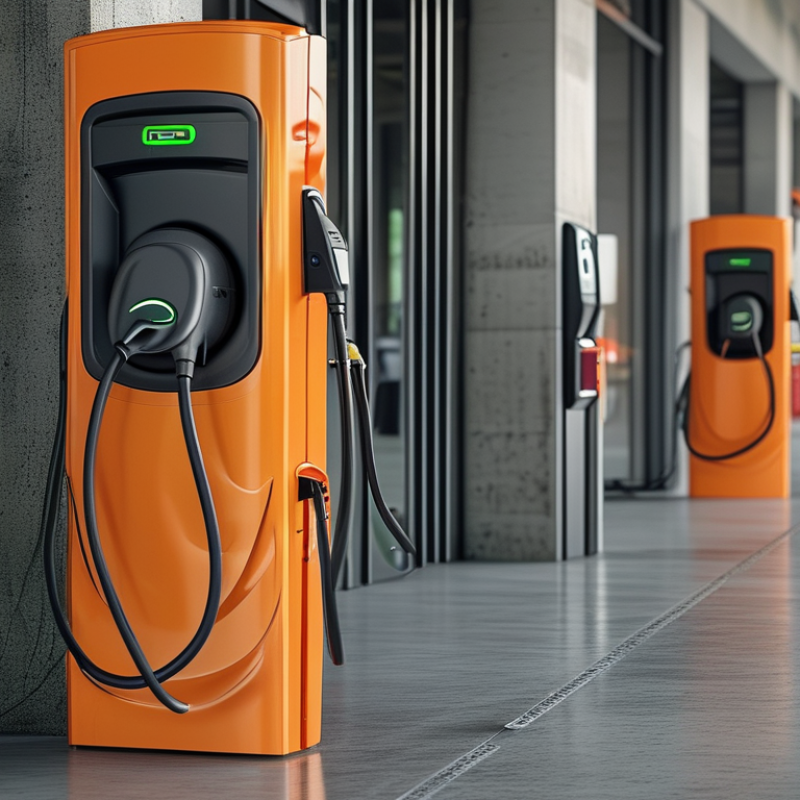
Choosing the right EV charging station for your home starts with understanding your needs. Electric vehicles (EVs) come with different battery sizes and charging speeds. Consider how you use your vehicle daily. If you have a long commute, you may require a faster charger. On the other hand, if you primarily take short trips, a standard charger might suffice.
Look at your driving habits and assess how often you charge. Do you drive frequently on weekends? You might need a more powerful station. Also, evaluate your home’s electrical system. Upgrades can be costly, and not all homes can handle high-capacity chargers. There are trade-offs to consider.
Don’t forget the installation process. It can vary significantly based on your home’s layout and electrical capacity. If you live in an apartment or shared dwelling, access to a convenient outlet may also be limited. Research local regulations that may affect your installation. It’s easy to overlook these details but possibly crucial for a successful setup.
| Feature | Description | Importance |
|---|---|---|
| Charger Type | Level 1 (120V) and Level 2 (240V) chargers | High |
| Charging Speed | Measured in kW; impacts how fast your EV charges | High |
| Connector Compatibility | Check if it fits your EV's charging port | Critical |
| Smart Features | Includes Wi-Fi connectivity, scheduling, and monitoring | Medium |
| Installation Requirements | Check if you need special wiring or permits | High |
| Warranty & Support | Length of warranty and customer service availability | Medium |
| Cost | Includes purchase price and potential installation costs | High |
: Assess your driving habits, battery size, and how often you charge. Think about your daily usage and commute distance.
Your home's electrical capacity is crucial. Upgrades can be expensive and may not be feasible for all homes.
There are Level 1, Level 2, and DC fast chargers. Each has different speeds and installation requirements.
Installation varies by home layout and electrical capacity. Consulting a professional is often recommended for safety.
Costs can range from hundreds to thousands of dollars. Factors include wiring and labor, so budget accordingly.
DIY installations can be risky. It’s important to comply with safety codes to avoid hazards and future issues.
If your existing system can't handle high charging speeds, an upgrade may be necessary. This can lead to higher costs.
Limited access to outlets is common in apartments. This can complicate installation, so research local regulations.
Faster chargers save time but may not be necessary for everyone. Consider your daily driving needs and typical charging time.
Yes, the charger's proximity to your parking space matters. A distant charger could increase installation costs and inconvenience.
When considering how to choose an EV charging station for home use, it's essential to first understand your specific charging needs based on your vehicle and daily usage patterns. This understanding helps in evaluating the types of EV charging stations available, such as Level 1 and Level 2 chargers, each with different charging speeds and compatibility features.
Key features to look for include adjustable power settings, smart connectivity options, and safety certifications. Additionally, it's vital to assess the installation requirements and associated costs, as these can vary significantly based on your home’s electrical system. Finally, comparing different brand options and user reviews will provide valuable insights into reliability and user experience, ensuring you make an informed decision for your home EV charging setup.

 Irvion Charger