Choosing the right EV charging connector is crucial for maximizing your electric vehicle experience. With various options available, it's essential to understand how to choose the right EV charging connector based on your specific needs. Each connector type serves different vehicles and charging speeds, making the decision process a bit overwhelming.
Think about your vehicle model, charging speed, and location. Certain connectors work better for specific brands. For example, Tesla vehicles use a unique connector, while many other EVs operate on the Type 2 standard. Knowing this can save time and reduce headaches in your charging journey.
Reflect on your daily commute and charging habits. Sometimes, the most convenient option may not be the best for long-term use. It's easy to overlook the importance of compatibility and power levels. However, making informed choices can enhance your electric vehicle ownership experience, ensuring it's smoother and more efficient.
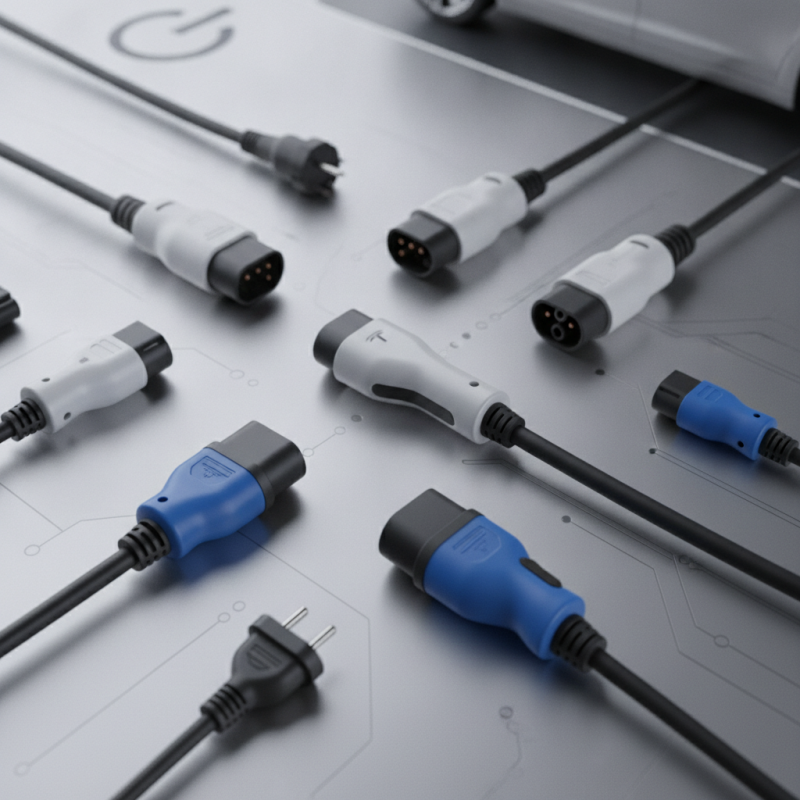
Understanding Different Types of EV Charging Connectors: A Comprehensive Overview
When choosing an EV charging connector, understanding the different types is crucial. There are several common types, including Type 1, Type 2, and CCS. Type 1 is widely used in North America, while Type 2 is prevalent in Europe. Each connector has specific applications and power ratings. For example, Type 2 supports three-phase power, facilitating faster charging in many situations.
Charging speed varies significantly based on the connector. Level 1 chargers often come with basic household plugs, providing slow charging. In contrast, Level 2 connectors deliver more energy, reducing charging times. Fast charging connectors like CCS allow for rapid energy transfer and are essential for long trips. However, not every charging station supports all connector types. You might find situations where your vehicle's connector does not match the station available.
Keep in mind that compatibility is key. Research your EV’s specifications and the local charging infrastructure. You may also encounter adapters, but they can impact charging speed and safety. Reflecting on your charging needs will guide your decision, ensuring you can efficiently charge your vehicle in various locations.
Understanding EV Charging Connector Types
This bar chart illustrates the number of charging stations available for different types of EV charging connectors. Understanding these statistics can help EV users choose the right connector compatible with their vehicle and charging infrastructure.
Key Factors to Consider When Selecting an EV Charging Connector
When selecting an EV charging connector, several key factors significantly impact your decision.
Compatibility with your vehicle is crucial. In 2022, over 60% of EVs used Type 2 connectors in Europe.
Choosing the right type ensures seamless charging experiences. Consider the charging speed as well.
Fast chargers can reduce charging time to under an hour, compared to standard chargers, which typically take several hours.
This difference matters when planning trips or daily use.
Another aspect to consider is the location of charging stations. A report from the International Energy Agency indicates that urban areas are more likely to have Level 2 chargers.
Rural regions may rely on Level 1 options. Hence, knowing your charging environment helps determine which connector type meets your daily needs.
User reviews and local infrastructure data can aid in making informed choices.
However, while most connectors offer reliability, not all provide the same efficiency. Users often complain about compatibility issues in diverse charging networks,
highlighting the need for personal research before selection.
Compatibility and Standardization: CCS, CHAdeMO, and Tesla Connectors Explained
When selecting an EV charging connector, compatibility is key.
The three main types are CCS, CHAdeMO, and Tesla connectors. Each one has its advantages but varies in usage and availability.
CCS (Combined Charging System)
is widely adopted in Europe and North America. This connector supports both AC and DC charging, making it versatile. However, it may not be available at all charging stations. It's essential to check local infrastructure.
CHAdeMO, originating from Japan, is primarily used by specific brands. Its fast charging capabilities are impressive, yet its adoption is limited outside select regions. Tesla connectors are exclusive to Tesla vehicles and offer fast charging at their own network.
While this is efficient for Tesla owners, it can create accessibility issues for others. Always consider which vehicles you will charge and where you'll be charging them.
There is no one-size-fits-all solution.
Understanding these differences is vital. Some users may choose based on the fastest option, while others may prioritize convenience. Reflecting on your driving habits and charging locations can lead to better decisions. Mismatched connectors can lead to frustration, so shortlist your preferred charging networks before making a final choice. This ensures a smoother experience with your electric vehicle.
Charging Speed and Power Ratings: Impact on Your EV Charging Experience
When choosing an EV charging connector, it’s crucial to understand charging speed and power ratings. Different connectors offer various charging speeds. A higher power rating generally means faster charging. This is key for those with busy lifestyles. In urban areas, quick charging can save precious time.
Consider the charging infrastructure available in your location. Not all areas provide high-power stations. Limited options can lead to longer waiting times. This can be frustrating for drivers who need to charge on the go. Even with a compatible connector, if the power supply is low, the experience will be slow.
Reflect on your driving habits. If you typically drive long distances, seek faster options. However, not everyone needs rapid charging. Some may find lower speeds sufficient. Balancing needs and available resources is essential. Always check compatibility with your vehicle to avoid issues. Choosing wisely can enhance your overall EV experience.
Future Trends in EV Connector Technology: What to Expect in the Coming Years
As electric vehicles (EVs) gain popularity, the demand for efficient charging solutions grows. Future trends in EV connector technology indicate significant advancements on the horizon. Industry reports suggest that by 2025, over 90 million EVs will be on the road globally, driving innovations in connector types.
Current developments focus on faster charging capabilities and enhanced compatibility. New standards are emerging, aiming to provide greater interoperability among various EV models. For instance, reports indicate that ultra-fast charging stations, capable of delivering up to 350 kW, are becoming more common. This shift could reduce charging times dramatically—potentially to under 15 minutes for a full charge, a game-changer for users.
However, challenges persist. Not all EVs support the latest connector technology, creating confusion around compatibility. Infrastructure upgrades are needed in many regions to accommodate these changes. Experts warn that without coordinated efforts, the transition could create disparities in access to new charging technologies, complicating the user experience. Addressing these concerns will be crucial as the market evolves.
FAQS
: The main types are CCS, CHAdeMO, and Tesla connectors. Each has different usage and advantages.
Compatibility ensures your vehicle can charge effectively. Mismatched connectors can lead to frustration during charging.
CCS is widely adopted in Europe and North America. It supports both AC and DC charging options.
CHAdeMO is mostly used by specific brands and has a limited adoption outside Japan.
Tesla connectors are exclusive to Tesla vehicles, creating accessibility challenges for non-Tesla owners.
Reflect on your driving habits, local infrastructure, and preferred charging networks.
Higher power ratings typically lead to faster charging. This can save time for busy drivers.
If options are limited, be prepared for longer wait times, even if your connector is compatible.
Not everyone needs fast charging. Assess your driving needs to make an informed choice.
Check compatibility with your vehicle and consider charging locations before finalizing your choice.
Conclusion
Choosing the right EV charging connector is crucial for optimizing your electric vehicle charging experience. Understanding the various types of connectors available, including CCS, CHAdeMO, and Tesla connectors, offers a comprehensive overview of your options. Key factors such as compatibility with your vehicle, the charging speed, and power ratings should be considered when making a decision. As EV technology continues to advance, staying informed about future trends in connector technology will help you make an informed choice.
In summary, how to choose the right EV charging connector involves evaluating the specific needs of your vehicle and charging habits. By considering compatibility, charging speed, and emerging technologies in connector design, you can ensure a seamless and efficient charging experience.

 Irvion Charger