The rise of electric vehicles (EVs) has reshaped the automotive landscape. According to a recent report by the International Energy Agency, global EV sales surged by 108% in 2021, marking a turning point in consumer adoption. As charging infrastructure expands, so does the need for efficient payment solutions. Contactless payments offer a seamless experience, enhancing user convenience.
Understanding how to enable contactless payments at EV chargers is crucial. Many charging stations still rely on outdated payment methods, creating friction for users. Incorporating contactless options can alleviate this issue. A study by McKinsey indicates that 50% of consumers prefer contactless payments due to their speed and security. However, challenges persist; some stations may lack the technology to support these payment methods.
Adopting contactless payment systems not only streamlines the charging experience but also attracts more users to EV adoption. For operators, this means a more reliable revenue stream. But the transition requires careful planning and investment. Stakeholders must assess current infrastructure and consumer preferences to ensure successful implementation.
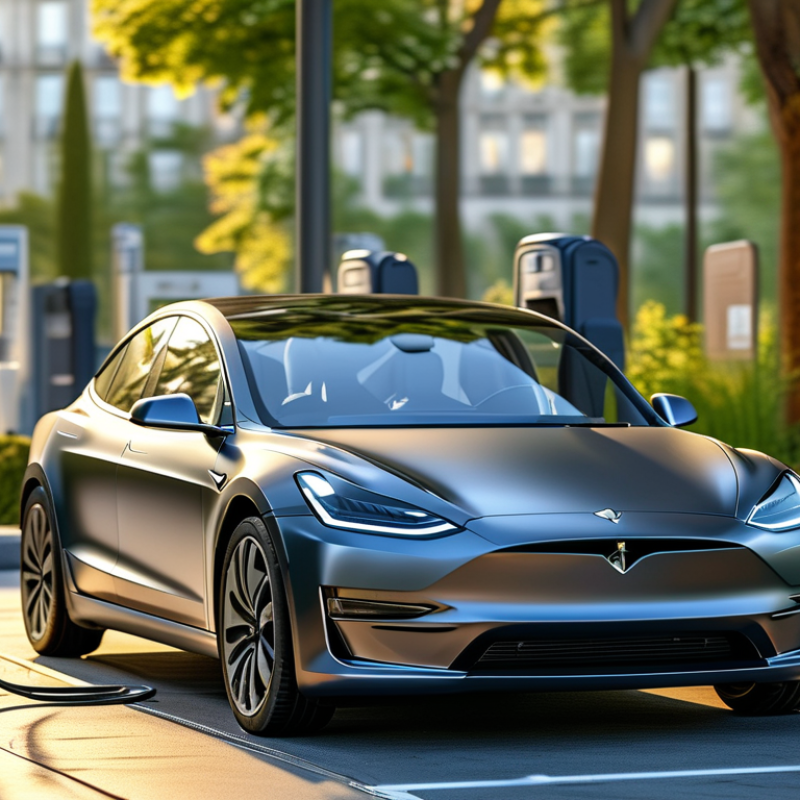
Contactless payment technology for electric vehicle (EV) charging is on the rise. This innovation simplifies the payment process for EV drivers. Using a smartphone or contactless card, users can easily complete transactions at charging stations. This means no need for cash or physical cards.
Understanding how this technology works is crucial. It typically employs Near Field Communication (NFC), allowing devices to communicate over short distances. Users simply hold their device near the payment terminal. However, implementation can be inconsistent across different charging networks. Some stations may not support this technology, leading to frustration for drivers.
Despite its advantages, challenges exist. Security concerns may arise with contactless payments. Many fear unauthorized transactions could occur. Additionally, not all EV drivers are familiar with this technology. Educating users is vital to foster trust and usage. With continued improvement and awareness, contactless payments can enhance the EV charging experience.
This chart illustrates the increasing adoption of contactless payment technology at electric vehicle (EV) charging stations over the past three years.
The rise of electric vehicles (EVs) has led to an increased demand for efficient charging solutions.
Contactless payments at EV chargers provide users with a quick and easy way to pay. Various options cater to different customer needs,
streamlining the charging process. According to a recent industry report,
the global contactless payment market for EV charging is projected to reach USD 17 billion by 2025, indicating a
significant trend in consumer behavior.
Mobile payment apps are a popular choice for EV drivers. These apps allow users to pay securely using their smartphones.
A survey conducted by the Electric Vehicle Infrastructure Coalition revealed that 75% of EV owners
prefer using mobile apps for payments. NFC (Near Field Communication) technology also facilitates quick transactions,
enabling users to simply tap their cards. However, some users express concerns about security, highlighting the need for
more robust encryption measures.
Another option is RFID (Radio Frequency Identification). This technology simplifies the payment process by
using cards or fobs that communicate with chargers. While RFID accounts for 40% of contactless payments at
charging stations, implementation issues persist. Not all users find RFID convenient, and installation requires investment.
The industry must address these challenges to fully leverage contactless payments at EV chargers.
Enabling contactless payments at EV chargers is essential for a smooth charging experience. To begin, you need to choose a payment platform that supports various payment options. This helps cater to different user preferences. Look for solutions that integrate easily with existing charging infrastructure. Consider your location's connectivity as well. A stable internet connection is necessary for real-time transactions.
Next, installing the required hardware is crucial. Ensure that the charging stations are equipped with NFC (Near Field Communication) technology. This enables users to pay by simply tapping their smartphones or cards. Keep in mind that not all charging locations may have this technology in place. Regularly test these systems to troubleshoot potential issues. Remember, a glitchy payment process can frustrate users.
Training staff on contactless payment procedures is often overlooked. They should know how to assist customers with payment issues. Clear signage at the stations will also guide users through the payment process. For those who may struggle with technology, having a help line can improve user experience. User feedback is vital, too. Regularly evaluate the system based on customer insights, making enhancements when necessary.
| Step | Action Required | Duration | Tools Needed |
|---|---|---|---|
| 1 | Select EV Charger Model | 5 mins | Internet Access |
| 2 | Register for Payment Gateway | 15 mins | Email Address |
| 3 | Install Payment Module | 30 mins | Screwdriver, Wrench |
| 4 | Configure Payment Settings | 20 mins | Device Manual |
| 5 | Test Contactless Payment | 10 mins | Mobile Payment App |
The implementation of contactless payments at EV chargers brings several benefits for EV users. Speed and convenience rank high on this list. Drivers can simply tap their cards or smartphones. This efficiency allows them to focus on other tasks instead of fumbling for cash or swiping cards.
Adopting contactless payment methods can enhance user experience. Many drivers have busy lives. An easy payment solution saves time and reduces stress. Additionally, these systems often provide transaction receipts via email. This feature can help users track their charging costs without paper clutter.
Tips for enhancing the contactless payment experience include educating users about available options. Ensure clear signage at charging stations that explains how to use contactless payments. Offer customer support via chat or phone to aid users unfamiliar with this technology. Regularly update the payment system to ensure security and reliability. This can build trust among users seeking a seamless charging experience.
Contactless payments at EV chargers provide convenience. However, ensuring security and privacy is essential. As these transactions increase, so do risks related to data breaches and fraudulent activities. Users may worry about who has access to their financial information. To mitigate these concerns, adopting robust encryption and secure communication protocols is crucial.
Implementing two-factor authentication adds another layer of security. This can prevent unauthorized access. Users should also be educated on the importance of using secure connections. Many people still connect to public Wi-Fi for convenience, putting their information at risk. Encouraging the use of personal hotspots can make transactions safer.
Regular audits of payment systems can identify vulnerabilities. Businesses must stay proactive in updating their security measures. Despite advancements in technology, new threats emerge. Service providers should create a transparent process regarding how user data is handled. Trust builds when users feel informed and secure.
: Contactless payments offer speed and convenience. Users can quickly tap their devices to pay without dealing with cash.
Mobile payment apps allow users to pay securely through smartphones. This method is preferred by many EV owners.
NFC (Near Field Communication) and RFID (Radio Frequency Identification) are popular technologies for contactless payments.
Yes, some users worry about security. There’s a need for stronger encryption measures to protect their payment information.
While RFID is convenient, not all users find it easy. There are also challenges with installation and user adoption.
Stations should provide clear instructions and signage. Good customer support can also help users unfamiliar with the technology.
The global market for contactless payments in EV charging is expected to reach USD 17 billion by 2025.
These payments streamline the process, allowing users to focus on other tasks rather than searching for change or cards.
Many systems send transaction receipts via email, helping users track their charging expenses efficiently.
There are challenges with infrastructure, user education, and ensuring security updates for a reliable experience.
In "How to Enable Contactless Payments at EV Chargers Easily," the article explores the fundamentals of contactless payment technology specifically tailored for electric vehicle charging stations. It outlines the various types of contactless payment options available, emphasizing user convenience and the importance of accessibility at charging points.
The article also details the essential steps to set up contactless payments at EV chargers, guiding users through the process for a seamless experience. Additionally, it highlights the numerous benefits of implementing such payment systems, including enhanced efficiency and user satisfaction. Lastly, it addresses critical concerns about security and privacy, ensuring that transactions remain safe and protected. This comprehensive overview serves as a valuable resource for anyone interested in learning how to enable contactless payments at EV chargers.

Irvion Charger