Why Do EV Chargers Fail and How to Prevent Issues?

Time:2026-06-13 Author:Henry
0%

Electric vehicles (EVs) are rapidly gaining popularity, with over 10 million units sold globally in 2022. However, the reliability of EV charging infrastructure is critical to this transition. Understanding why do EV chargers sometimes fail is essential for both manufacturers and users. A recent study indicated that nearly 25% of EV users experienced issues with charging stations, ranging from technical malfunctions to user errors.

Charging station failures can stem from various reasons. Common issues include hardware malfunctions, outdated software, and lack of maintenance. These challenges can deter potential EV users and affect the adoption rate of sustainable transportation. Data from the International Energy Agency highlights that effective charging infrastructure is vital for a successful EV ecosystem.

Preventing these issues requires a multifaceted approach. Regular maintenance and updates are crucial. Education for users on proper usage can also minimize errors. As we advance in EV technology, addressing these failures will enhance user confidence and drive growth in the EV market.
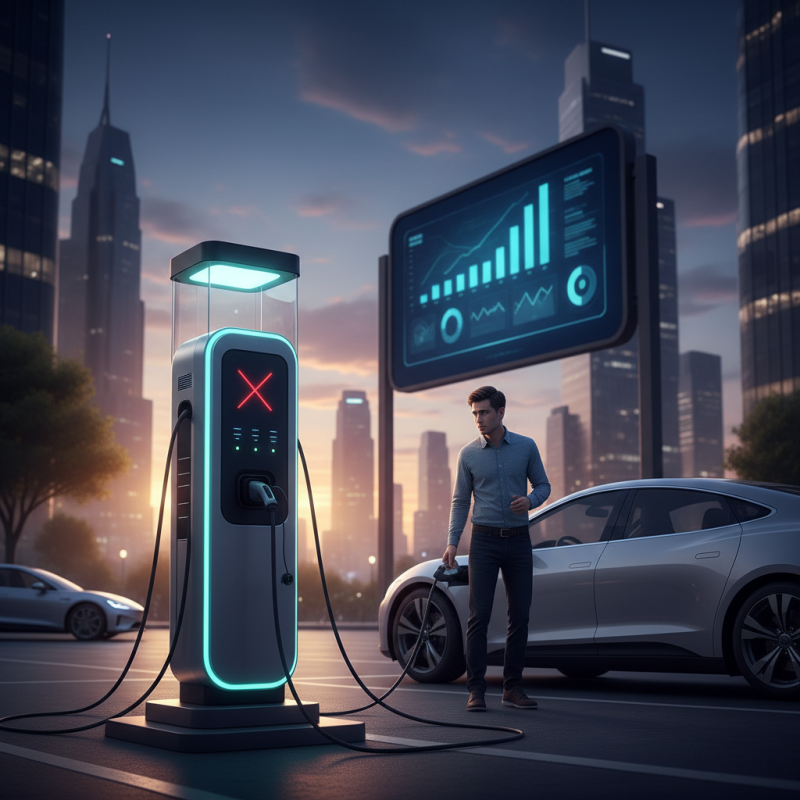
Why Do EV Chargers Fail and How to Prevent Issues?

Understanding Common Causes of EV Charger Failures

Electric vehicle (EV) chargers can experience failures due to several common factors. One prevalent issue is overheating. When chargers are used continuously or in extreme temperatures, components can fail. Regular inspections for signs of wear and overheating can help mitigate this risk. Checking connections and ensuring proper ventilation are crucial actions that owners often overlook.

Another common cause of failures is power surges. These can occur due to lightning strikes or sudden changes in electricity demand. Installing surge protectors can provide a safeguard against these unexpected events. It’s vital to ensure that electrical systems are compatible with the charger specifications. Many users mistakenly assume that all setups are suitable, but discrepancies can lead to significant problems.

Lastly, user error plays a significant role in charger failures. Not following operating guidelines or using damaged cables can result in malfunctions. Building a routine for regular maintenance and understanding charger functions can enhance reliability. Users often neglect these practices, leading to frustration and costly repairs. Thus, a proactive approach is essential for optimal performance.

Impact of Temperature and Weather Conditions on Charging Equipment

Temperature and weather conditions significantly impact the performance and reliability of electric vehicle (EV) chargers. Extreme heat can cause overheating, leading to premature failure of charging components. Temperature fluctuations can also affect battery efficiency, decreasing overall charging speeds. A study by the Electric Power Research Institute found that chargers operating in higher temperatures may experience a 20% decrease in efficiency.

Humidity is another critical factor. Excess moisture can lead to corrosion in electrical connections, resulting in erratic charging behavior. Seasonal changes can impact not just the equipment's functioning but also user patterns. For instance, during colder months, charging stations may experience reduced usage, raising questions about their readiness when demand spikes in warmer seasons.

Tips: Regularly inspect charging stations for signs of wear and corrosion. Consider protective enclosures for outdoor chargers to shield them from extreme weather. Maintain optimal temperature by ensuring sufficient airflow around chargers. Testing your equipment periodically can help you catch issues early, fostering a reliable charging environment. Proper maintenance extends the lifespan of chargers and improves user experience.

Impact of Temperature on EV Charger Performance

Importance of Regular Maintenance and Software Updates for Chargers

Regular maintenance is crucial for electric vehicle (EV) chargers. Without it, chargers can develop problems that lead to unexpected downtime. Dust and debris can accumulate, impacting the performance. Regular cleaning can prevent these minor issues from escalating. Check connections frequently. Loose cables may cause charging interruptions.

Software updates are equally important for maintaining charger functionality. Outdated software can lead to vulnerabilities. Automakers often release updates to improve performance and security. Failing to install these updates can leave chargers exposed to malfunctions. Scheduled updates should be a part of your routine maintenance.

Pay attention to user feedback. Sometimes, issues arise that are not immediately apparent. Monitor charging sessions for unusual behavior. This vigilance can help catch problems early on. While chargers are built to last, neglecting maintenance increases the risk of failure. The balance between technology and care is essential for reliable EV charging.

Signs of Malfunction: How to Identify Issues Early

Identifying early signs of malfunction in EV chargers can save time and money. One common issue is a blinking light. This often indicates a problem with the charging process. Check the connection. Loose plugs may disrupt the flow. Additionally, watch for unusual noises. A clicking or buzzing sound might signal internal trouble.

Overheating can also be a warning signal. If the charger feels excessively hot during use, consider it a potential risk. Unplug it and inspect for damage. Physical signs like cracks or fraying cables should not be ignored. They can lead to safety hazards if left unaddressed.

Regular maintenance checks are crucial for reliability. Cleaning connectors can prevent corrosion, which affects performance. Furthermore, consult user manuals for troubleshooting tips. This knowledge enhances your ability to diagnose problems. Don't overlook updates or firmware changes. These can improve functionality. Staying vigilant can keep your EV charger operational longer.

Best Practices for Installing EV Chargers to Minimize Failures

When installing EV chargers, proper practices are crucial to minimize failures. Reports indicate that nearly 30% of EV charger failures are due to improper installation. Ensuring the installation site is level and free from water intrusion can significantly reduce these issues. Using high-quality materials, including cables and connectors, is essential for longevity and performance. The right power supply should also be guaranteed, as voltage fluctuations can lead to malfunctions.

Beyond installation, regular maintenance is vital. A study by the Electric Vehicle Infrastructure Project found that regular inspections can catch 70% of potential problems before they escalate. Operators should also be trained in basic troubleshooting. This ensures they can respond effectively to minor issues, preventing larger failures down the line.

Temperature and environmental conditions play a role too. Chargers installed in extreme weather without adequate protection risk early failure. Implementing weatherproof housing and ensuring proper cooling mechanisms can add years to a charger's life. Being mindful of these specific details highlights the importance of diligence in the installation process.

FAQS

: What is a common cause of EV charger failures?

: Overheating is a frequent issue. Continuous use or extreme temperatures can damage components.

How can power surges affect EV chargers?

Power surges can cause significant failures. They may happen due to lightning strikes or electrical demand changes.

What should I check before using my EV charger?

Inspect connections and ensure proper ventilation. Many users often overlook these critical steps for safety.

How can I identify early signs of charger malfunction?

Look for blinking lights, unusual noises, or excessive heat. These can indicate problems needing immediate attention.

What maintenance is required for reliable charger performance?

Regular maintenance checks are essential. Cleaning connectors and checking cables can prevent corrosion and enhance functionality.

Is proper installation important for EV chargers?

Yes, nearly 30% of failures are due to improper installation. A level site and quality materials are vital.

How can environmental conditions affect my EV charger?

Extreme weather can lead to early failures. Use weatherproof housing to protect against harsh conditions.

What role does user behavior play in charger failures?

User error is significant. Not following guidelines or using damaged cables can lead to malfunctions.

How can I improve my troubleshooting skills for EV chargers?

Consult user manuals and stay updated on firmware changes. This knowledge enhances your problem-solving ability.

Can neglecting maintenance lead to costly repairs?

Yes, overlooking regular checks can increase frustration and result in expensive repairs down the line.

Conclusion

In exploring the question of why do EV chargers sometimes fail, it is essential to understand several common causes that contribute to these issues. Factors such as extreme temperature fluctuations and adverse weather conditions can significantly impact the performance of charging equipment, leading to malfunctions. Additionally, the importance of regular maintenance and timely software updates cannot be overstated, as these measures are critical for ensuring that chargers operate smoothly and effectively.

Furthermore, recognizing early signs of malfunction is crucial for preventing potential failures. Users should be vigilant for any unusual behavior or irregularities in charging performance. Lastly, adhering to best practices during the installation of EV chargers plays a vital role in minimizing future failures, ensuring a more reliable and efficient charging experience overall. By addressing these areas, the longevity and functionality of EV chargers can be greatly enhanced.

Henry

Henry

Henry is a dedicated marketing professional with a profound expertise in the company's offerings. With years of experience in the industry, he possesses an impressive understanding of the market dynamics and consumer behaviors that drive success. Henry is committed to sharing his insights through......