As electric vehicles (EVs) become mainstream, drivers often face a common frustration: "why is my EV charging slowly?" According to a report by the International Energy Agency (IEA), the global electric vehicle stock surpassed 10 million in 2020, highlighting the rapid adoption of this technology. However, challenges remain in efficient charging infrastructure.
Factors contributing to slow charging can include battery health, charger type, and even ambient temperature. Research indicates that battery performance can degrade over time, impacting charging speed. Additionally, using a standard outlet rather than a dedicated EV charger may also hinder the charging process.
Many drivers may overlook these details. It's essential to understand the relationship between these factors and charging speed to enhance the EV experience. Engaging with efficient charging practices can help mitigate frustrations and maximize vehicle performance.
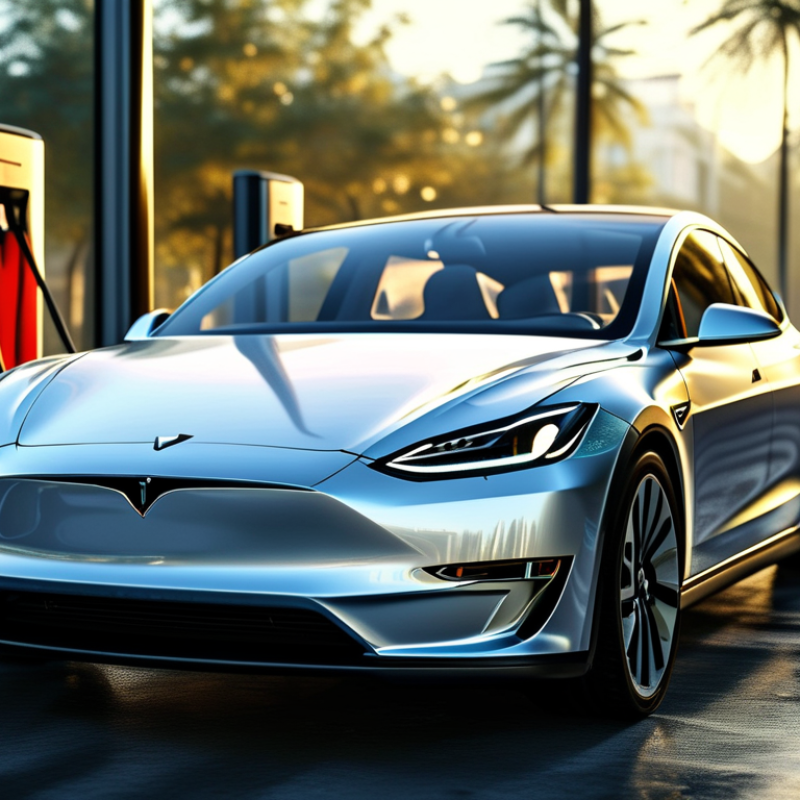
Slow charging can be frustrating for electric vehicle (EV) owners. Several common factors contribute to this issue. One of the most significant reasons is the power supply. If the outlet or charging station lacks adequate voltage, it will slow down the charging process. Using a standard household outlet may not provide enough power, leading to longer charging times.
Another factor is the charging cable. If the cable is damaged or not rated for high power, it can restrict the current flow. Ensure that your charging equipment is compatible with your vehicle. Over time, dirt and corrosion can also build up on connectors, increasing resistance and causing slower charging. Regular maintenance of charging equipment helps maintain performance.
Temperature plays a role too. Extreme heat or cold can affect battery performance, slowing down charging times. Batteries charge best at moderate temperatures. Parking your EV in a garage or shaded area can help mitigate temperature-related issues. Understanding these factors is crucial for improving your EV charging experience.
Understanding the levels of EV charging is crucial for efficient charging. There are three main types: Level 1, Level 2, and DC Fast Charging. Each level has its unique characteristics. Level 1 charging is the slowest, typically using a standard household outlet. It provides about 2-5 miles of range per hour. This can be insufficient for daily needs if used alone.
Level 2 charging is more efficient, delivering 10-60 miles of range per hour. It requires a dedicated charging station, which many homes may not have. The installation can be costly and may take time. Inadequate electrical infrastructure can lead to slow charging. This can be frustrating, especially during long trips or when time is limited.
DC Fast Charging is the fastest option, adding up to 80% charge in about 30 minutes. However, availability varies by location. Not all EVs can utilize this type of charger. Sometimes, the charging speed slows down before reaching full capacity due to battery management systems. Understanding these charging levels is vital for every EV owner to maximize the charging experience and avoid frustrating downtimes.
| Charging Level | Power Output (kW) | Typical Charging Time (for 60 kWh battery) | Common Issues | Solutions |
|---|---|---|---|---|
| Level 1 | 1.4 kW | 40-60 hours | Slow charging; Limited outlets | Use a dedicated circuit; Upgrade to Level 2 |
| Level 2 | 3.7 - 22 kW | 4-10 hours | Not enough charging stations; Poor connections | Check station compatibility; Regular maintenance |
| DC Fast Charging | 50 - 350 kW | 30 minutes - 1 hour | Overheating; High demand causing wait times | Monitor station conditions; Pre-condition battery |
| Home Charging Solutions | Varies (based on installed charger) | 3-8 hours | Improper installation; Circuit limitations | Hire a professional; Upgrade home electrical system |
Charging your electric vehicle (EV) efficiently is crucial for a seamless driving experience. Many factors can slow down your charging speed. One common issue is using a low-powered charger. Standard home outlets offer only 120 volts, providing about 4-5 miles of range per hour. In contrast, a Level 2 charger can deliver around 25 miles of range per hour, significantly speeding up your charging.
Another factor is the charging environment. High temperatures can affect battery performance. A study from the U.S. Department of Energy indicates that at temperatures above 95°F, EV battery charging efficiency can drop by up to 20%. Parking in shaded areas or using coolant systems can help counteract this heat, thus optimizing your charging time.
Additionally, battery state impacts the charging speed. If your battery is below 20%, it often charges more slowly. Charging between 20% and 80% is generally recommended for quicker sessions. Monitoring software tools can also provide insights into battery health and optimize the charging processes. Regular maintenance and adjustments can lead to noticeable improvements.
Diagnosing and troubleshooting charging issues for electric vehicles (EVs) can be frustrating. Many drivers report slow charging times, often due to a variety of factors. A 2022 study indicated that about 30% of EV owners experience this issue, primarily stemming from inadequate charging infrastructure or compatibility problems.
One common reason for slow charging is the type of charger used. Level 1 chargers can take up to 12-24 hours to fully recharge an EV, while Level 2 chargers are typically faster, taking 4-6 hours. It's essential to ensure your vehicle is connected to a compatible and efficient charger. Additionally, check the voltage and amperage ratings. A lower voltage supply often results in slower charging rates.
Temperature also plays a significant role in charging efficiency. Exposure to extreme cold can slow down charging speeds by up to 40%, as batteries struggle to accept energy. Regularly inspecting the battery's condition can help. Many sources suggest that keeping the battery pack between 20% and 80% charged optimizes performance and longevity. If charging issues persist, consult a professional to investigate potential hardware problems.
When dealing with slow EV charging, knowing when to seek professional help is crucial. If your charging speed has suddenly decreased, it might signal a deeper issue. Check your charger and vehicle settings first. Sometimes, simple adjustments can resolve the problem. However, persistent issues might require an expert's assessment.
Consider these tips: regularly inspect your charging station. Look for wear and tear or loose connections. Cleaning the connectors can enhance performance. Additionally, examine your vehicle's software. Outdated firmware can affect charging efficiency. Update the software to ensure optimal function.
If you've tried these steps and the problem persists, it's time to call in a professional. Electricians can evaluate wiring and assess the installation quality. They can also identify if your circuit can handle your charging needs. Not every problem is visible to the untrained eye. When in doubt, asking for help can save time and ensure safety.
: Slow charging often results from inadequate power supply, damaged cables, or poor connector maintenance.
A damaged or low-rated charging cable restricts the current flow, slowing down charging times.
Extreme temperatures can reduce battery performance, slowing the charging process significantly.
Check your charger type and ensure it's compatible with your vehicle for better efficiency.
Seek help if charging speeds suddenly decline or if persistent problems arise despite basic checks.
Yes, charging in extreme temperatures or poor environments can slow down the charging process.
Regular maintenance helps prevent dirt and corrosion buildup, which can restrict power flow.
Keeping the battery between 20% and 80% charged optimizes its performance and longevity.
Inspect and clean connectors, use a compatible charger, and park in moderate temperatures for better results.
Signs include frequent charging failures, hardware concerns, or noticing problems you can't fix yourself.
If you're wondering "why is my EV charging slowly," there are several factors to consider. Common reasons include inadequate charging equipment, the condition of the battery, and environmental influences like temperature. Understanding the different charging levels—Level 1, Level 2, and DC fast charging—can also shed light on how charging speed is affected.
To optimize your EV's charging speed, utilize suitable chargers, maintain your battery health, and consider off-peak charging times. If you encounter persistent issues, diagnosing the problem might require checking for faulty equipment or connections. However, if complications arise that you cannot resolve, seeking professional help is advisable to ensure safe and efficient charging.

Irvion Charger