How to Understand What Ultra Fast DC Charging Is?

Time:2026-09-22 Author:Madeline
0%

What is ultra-fast DC charging, and why does it matter to modern electric vehicle drivers? In simple terms, it sends direct current straight to the battery, reducing conversion time inside the vehicle. Unlike slower AC charging, it can add substantial driving range within minutes. The experience is practical: a driver may arrive with 15% battery capacity, connect a thick liquid-cooled cable, and leave after a short coffee break.

The term “ultra-fast” has no single global definition. Many charging networks use it for chargers rated at 150 kW or higher, while some advertise 250 kW or 350 kW systems. However, the vehicle determines the real result. Battery temperature, state of charge, charging architecture, and cable limits all influence performance. A 350 kW station cannot force every car to accept 350 kW.

Industry data shows why this technology is expanding. The International Energy Agency’s Global EV Outlook 2024 reported more than four million public charging points worldwide at the end of 2023. Public chargers increased by about 40% during that year. The report also identified fast-charging growth as essential for supporting longer journeys and larger electric vehicle fleets.

Still, speed is not the whole story. High-power charging can increase grid demand, equipment costs, and battery heat. The U.S. Department of Energy notes that DC fast charging commonly ranges from 50 kW to 350 kW. Actual charging time remains vehicle-specific.

This article explains the technology, charging curve, infrastructure, costs, and practical limitations. The language around ultra-fast charging can sound overly confident. A closer look is necessary.
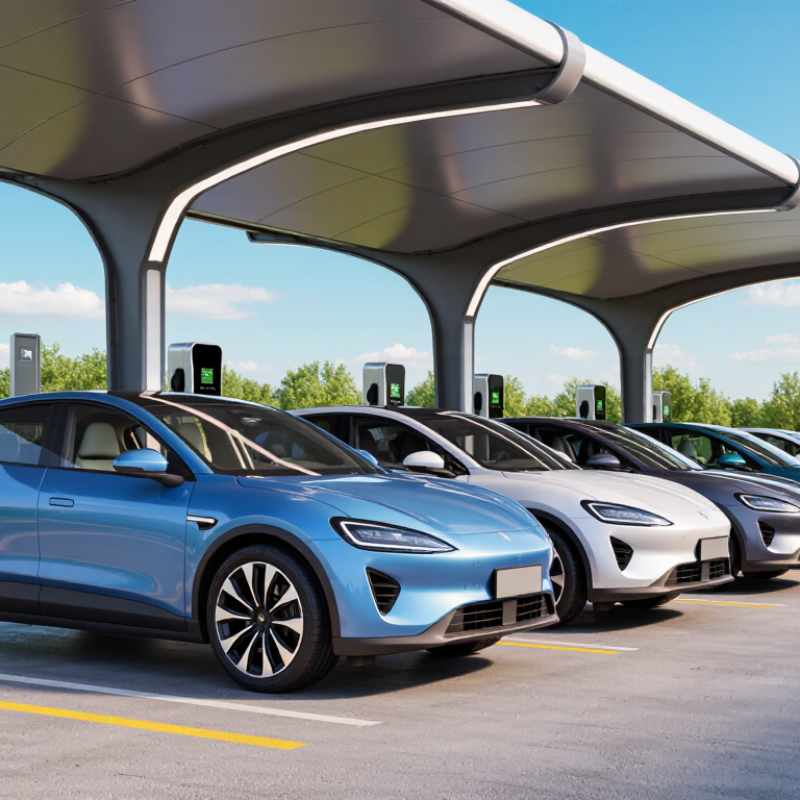
How to Understand What Ultra Fast DC Charging Is?

What Ultra-Fast DC Charging Means

Ultra-fast DC charging means delivering direct current straight to an electric vehicle’s battery. It bypasses the vehicle’s onboard AC charger. This allows much higher power, often from 150 kW to 350 kW. However, “ultra-fast” has no single global definition. The label is useful, but imperfect.

Charging speed depends on the vehicle, battery temperature, state of charge, and station capacity. A 350 kW connection does not guarantee 350 kW continuously. Most batteries reduce power after reaching roughly 70–80% charge. The U.S. Department of Energy’s Alternative Fuels Data Center reports that DC fast charging can often reach 80% in about 20–60 minutes under suitable conditions. Real charging may take longer. The International Energy Agency’s Global EV Outlook 2024 reported more than 4 million public charging points worldwide by the end of 2023, with over 600,000 added during that year. This growth shows why faster charging matters for long-distance travel, though grid demand also deserves careful planning.

Tips: Check the vehicle’s maximum DC input before choosing a charger. Arrive with a warm battery when possible. Keep charging sessions shorter near busy stations. Compare the charging curve, not only the advertised peak. A slower session may sometimes be more efficient, cheaper, and easier on the battery. Personally, I would treat ultra-fast charging as a useful tool, not a permanent replacement for overnight charging.

Ultra-fast DC charging supplies direct current to an electric vehicle’s battery at high power, commonly 150 kW or more. This chart uses a 60 kWh battery and estimates the time required to add 42 kWh, equivalent to charging from 10% to 80%. The calculation assumes constant charging power; real charging is usually slower because power tapers as the battery approaches a high state of charge.

How Ultra-Fast DC Charging Delivers Power

Ultra-fast DC charging moves electrical energy directly into a vehicle’s battery. The charging cabinet first receives alternating current from the grid. Power electronics convert it into controlled direct current. A communication link checks battery temperature, voltage, and charging limits. This conversation happens before full current flows.

During a session, the charger may deliver high current at a carefully regulated voltage. For example, the display can show 350 kilowatts, but that figure is not constant. A battery at 15 percent may accept power quickly. As its state of charge rises, the system usually reduces current. This protects battery cells and limits heat near the upper charge range. Thick cables and cooling systems help carry the load safely. The process feels simple to the driver. It is not simple underneath.

In practical use, I would watch the charging curve, not only the advertised peak. Weather, battery temperature, grid capacity, and vehicle software can change results. A cold battery may charge slowly until it reaches a suitable temperature. I once thought a higher number guaranteed a shorter stop. That assumption needs correction. Charging speed depends on the weakest limit in the complete system. Clear measurements matter more than impressive labels.

Key Components and Charging Standards

How to Understand What Ultra Fast DC Charging Is?

Ultra-fast DC charging sends direct current to a vehicle’s battery through an external power cabinet. The charger manages conversion, voltage, current, and communication outside the vehicle. Its main components include power modules, cooling systems, contactors, control software, and a high-current cable. Safety sensors monitor temperature, insulation, voltage, and connector locking. A fault can stop charging within milliseconds.

Charging standards define connector shapes, electrical limits, and communication rules. Regional systems may use different plug designs and voltage ranges. Communication protocols allow the vehicle and charger to negotiate power safely. They also exchange battery temperature, state of charge, and charging limits. This process prevents the charger from delivering unsuitable current. Standards support compatibility, but they do not guarantee identical charging performance.

The term “ultra-fast” remains imprecise. A charger rated at a high output may deliver much less power to a nearly full battery. Battery chemistry, pack voltage, cooling capacity, and ambient temperature all affect results. In practical use, a cold battery can charge slowly, even beside a powerful station. A useful check is watching the charging curve, not only the advertised peak. I would also question simple time claims. They often ignore the final charging stage, cable limits, or shared power between outlets.

Factors That Affect Charging Speed

Ultra-fast DC charging is not a fixed speed. It is a conversation between the charger, vehicle, battery, and electrical supply.

In real use, the displayed power can change every few seconds. A charger may offer 350 kilowatts, yet a vehicle may accept much less. The vehicle’s maximum charging rate is the first limit.

Battery state of charge has a major effect. A nearly empty battery usually accepts energy quickly. As it approaches 80 percent, the system reduces power to control heat and protect cell chemistry.

Temperature matters too. Cold cells charge slowly, while overheated cells also need protection.

Battery preconditioning can warm or cool the pack before arrival. Without it, waiting may be longer than expected.

It helps, but it is not magic.

Cable capacity, connector condition, and charger sharing can further change the result. Two vehicles using one power cabinet may divide its available output. A weak electrical connection can create additional limits, although modern systems monitor safety closely.

Battery age and repeated high-power sessions may also influence performance over time. From practical testing, the fastest session is rarely the one with the highest advertised number.

It depends on timing, temperature, and the battery’s current condition.

My earlier assumption was too simple: charging speed is a curve, not a promise. Even weather, traffic, and a short queue can reshape the whole experience.

Safety, Compatibility, and Battery Impact

How to Understand What Ultra Fast DC Charging Is?

Safety, Compatibility, and Battery Impact

Ultra-fast DC charging delivers direct current to a vehicle’s battery. It bypasses the vehicle’s onboard charger, allowing much higher charging power. Safety begins with the charging site, cable, and vehicle working together. Use equipment that meets recognized electrical and safety standards. Inspect the connector for cracks, moisture, or unusual heat. Stop charging if you notice smoke, burning smells, or repeated faults. Never force a connector into the port. A trained technician should investigate damaged equipment.

Compatibility depends on more than the plug shape. Check the vehicle’s charging standard, maximum input power, voltage range, and communication requirements. The charging station may provide more power than the vehicle can accept. That does not make charging faster. An unapproved adapter can create communication or thermal problems. The vehicle manual remains the most reliable reference, even when online advice sounds confident.

Battery impact mainly comes from heat, charging speed, and charging frequency. Modern battery systems use cooling controls and reduce power as the battery fills. Heat remains. Charging slows near a high state of charge. This taper protects battery cells and manages temperature. Frequent ultra-fast charging may increase long-term wear, but the effect varies by battery design, climate, and driving habits. I would not treat every fast charge as harmful. Still, relying on it for every session may be an avoidable compromise. Letting the battery cool before another high-power session can be sensible, though real conditions are not always convenient.

FAQS

What does ultra-fast DC charging mean?

It sends direct current straight to the vehicle’s battery. It bypasses the onboard AC charger. Power often ranges from 150 to 350 kilowatts. The label is useful, but imperfect.

How quickly can an electric vehicle reach 80% charge?

Suitable conditions may allow about 20 to 60 minutes. Actual time depends on the vehicle and battery temperature. A busy station or cold battery can extend the stop. Not always fast.

Does a 350-kilowatt charger always deliver 350 kilowatts?

No. The vehicle may accept less power than the charger offers. Power can also fall as the battery fills. The display shows a possible maximum, not a constant promise.

Why does charging slow down near 70% or 80%?

The system reduces power to manage heat and protect battery cells. Higher charge levels usually require gentler charging. Stopping earlier may save time at busy stations. The curve matters.

Which factors affect ultra-fast charging speed?

Vehicle limits, battery temperature, charge level, cable capacity, and station capacity all matter. Charger sharing can reduce available power. Weather, battery age, software, and queues also change results.

What is battery preconditioning, and why does it matter?

Preconditioning warms or cools the battery before charging. A cold battery may charge slowly until it reaches a suitable temperature. It helps, but it is not magic. Timing still matters.

Should drivers always choose the highest-power charger?

Not necessarily. Check the vehicle’s maximum DC input before choosing. A slower session may be cheaper, more efficient, or gentler on the battery. My earlier assumption was too simple.

Is ultra-fast charging a replacement for overnight charging?

It works well for long-distance travel and urgent stops. Overnight charging is often calmer and more convenient for routine use. I would treat ultra-fast charging as a useful tool, not a permanent replacement. That view may need revision.

Conclusion

Ultra-fast DC charging is a high-power method for replenishing an electric vehicle’s battery in a much shorter time than standard charging. To understand what is ultra-fast DC charging, it helps to know that direct current flows directly to the battery, reducing the conversion steps required inside the vehicle. The charging system, vehicle battery, connector, and communication software work together to control voltage, current, and temperature throughout the process.

Charging speed depends on the charger’s power output, the vehicle’s maximum charging capacity, battery temperature, state of charge, cable design, and electrical infrastructure. Key components and charging standards help ensure that the charger and vehicle communicate correctly and safely. Built-in protections can limit power when overheating, overvoltage, or other irregular conditions occur. Although ultra-fast charging is convenient, frequent high-power sessions may increase battery stress over time, so balanced charging habits and proper compatibility are important for maintaining performance and battery health.

Madeline

Madeline

Madeline is a dedicated marketing professional with a wealth of expertise in our company's core offerings. With a keen understanding of the industry, she brings a unique perspective to her role, consistently delivering high-quality content that highlights the superior aspects of our products. As......