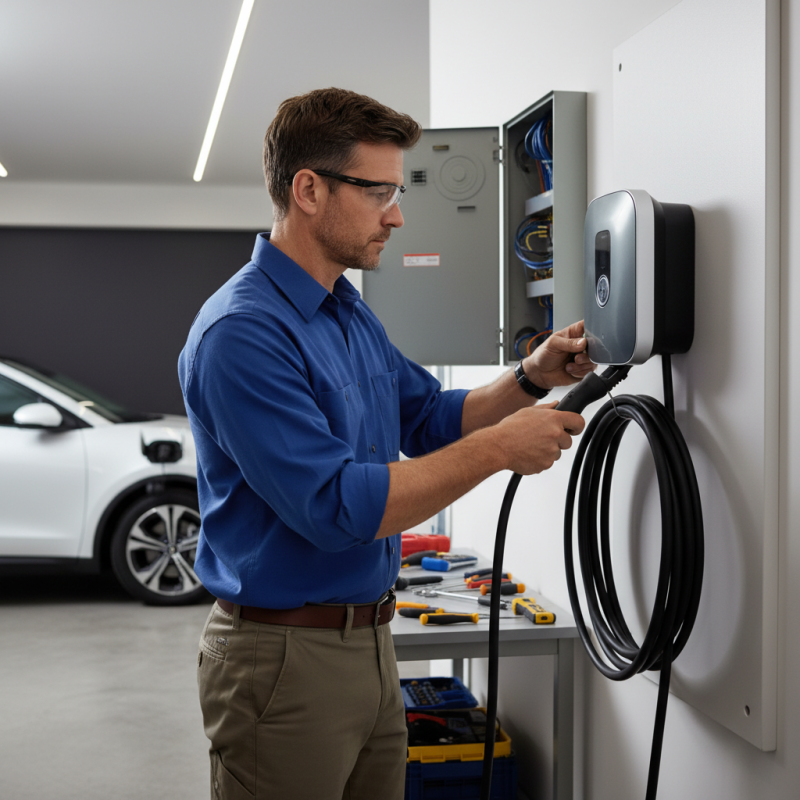
Installing an EV charger safely at home is essential for both functionality and safety. According to John Smith, a certified electrician and EV charging specialist, “Proper installation can prevent hazards and ensure optimal performance.” As more households shift to electric vehicles, the demand for safe installation practices increases.
Understanding how to install an EV charger safely involves essential steps. You must assess your home’s electrical system capacity. An underpowered system can lead to frequent trips and possible damage. Choosing the right charger is vital. Not all chargers fit every home.
Hiring a qualified professional is often a wiser choice. DIY installations may seem appealing, but they can pose risks. You might overlook crucial safety measures. Always follow local regulations and guidelines. This not only protects you but also ensures your charger operates effectively.
Understanding Types of EV Chargers for Home Installation
Understanding the types of EV chargers is crucial for safe home installation. There are three main types: Level 1, Level 2, and DC fast chargers. Level 1 chargers use a standard 120-volt outlet. They are easiest to install but slow, adding only about 4-5 miles of range per hour. This may not meet the needs of daily drivers.
Level 2 chargers are more efficient, offering a 240-volt outlet. They can deliver 10-60 miles of range in one hour, making them a popular choice for homeowners. According to the U.S. Department of Energy, installing a Level 2 charger can reduce charging time significantly. Yet, this requires a professional installation to ensure safety and compliance with local regulations.
DC fast chargers are different. They are primarily for commercial settings and can deliver up to 80% charge in 30 minutes. However, their high installation costs and power requirements make them impractical for most households. Homeowners must consider their driving habits and power availability when choosing a charger type. Proper planning and research can help ensure a safe, efficient setup for electric vehicle charging at home.
How to Install an EV Charger Safely for Your Home - Understanding Types of EV Chargers for Home Installation
| Charger Type |
Charging Speed |
Installation Complexity |
Cost Range |
Best For |
| Level 1 |
2-5 miles of range per hour |
Low |
$300 - $600 |
Casual users, overnight charging |
| Level 2 |
10-60 miles of range per hour |
Moderate |
$500 - $1,200 |
Daily commuters, faster charging |
| DC Fast Charging |
100-200 miles of range in 30 minutes |
High |
$10,000 - $50,000 |
Commercial use, long trips |
Assessing Your Home's Electrical Capacity for an EV Charger
Before installing an EV charger, it's crucial to assess your home's electrical capacity. This involves checking your existing electrical panel and your overall energy usage. An outdated panel may not support the additional load from a charger. You might need an upgrade, which can be costly.
When assessing your electrical system, consider the age of your panel. Older systems may struggle with additional demand. Check the amperage rating too. Most EV chargers require 240 volts and a dedicated circuit. Without proper capacity, you risk tripping breakers or even damaging appliances.
Tips: Inspect for signs of wear, like rust or buzzing sounds, as these may indicate problems. Consult a licensed electrician for a professional assessment. They can recommend necessary upgrades. Also, keep your charging scenario in mind. If you plan to charge overnight, ensure your panel can handle peak loads without stress.
Selecting the Ideal Location for Your Home EV Charger
When choosing the ideal location for your home EV charger, consider several factors. A good spot is close to your vehicle's parking area. This minimizes cable length and makes charging easier.
Evaluate your driveway or garage layout. An unobstructed area allows for safe and efficient access.
Tips: Ensure the charging cable is long enough to reach without straining. Check for overhead clearance, especially in garages. Place the charger in a well-lit area for nighttime convenience.
Think about your home’s electrical capacity. The location should be convenient yet not overloaded. Avoid placement near water sources, as safety is paramount. Keep in mind local regulations and any potential upgrades needed for your electrical system.
Tips: Review your home’s electrical panel and consult with a professional for compliance. Plan for future needs; you might expand your electric vehicle fleet.
Remember to allow space for maintenance access.
Step-by-Step Guide to Installing Your EV Charger
Installing an EV charger at home is a significant step toward greener energy. According to the U.S. Department of Energy, more than 1.5 million electric vehicles were sold in the U.S. in 2021 alone. With this rise in EV ownership, having a home charger is crucial. A safe installation process ensures that you not only benefit from convenience but also avoid potential hazards.
Begin by selecting an appropriate location for the charger. It should be near your parking area and accessible to your vehicle. Consider local electrical codes and regulations. Consulting a licensed electrician is essential for this task. In a recent report from the Electric Power Research Institute, improper installation caused 24% of EV charger malfunctions. Hence, expertise matters. Use the right equipment, like circuit breakers that match your charger’s amperage.
Test the system after installation. Look for any unusual sounds or smells, which might indicate a problem. Regular inspections and maintenance are necessary to ensure ongoing safety and functionality. Understand that not all installations go smoothly. Some users report issues like inadequate power supply or distance from the main electrical panel. Keeping safety as a priority will lead to a successful and efficient home EV charging solution.
Electric Vehicle Charger Installation Steps
Ensuring Compliance with Safety Regulations and Guidelines
Installing an EV charger requires strict adherence to safety regulations. The National Fire Protection Association (NFPA) emphasizes that improper installations can lead to significant risks. In fact, reports suggest that nearly 30% of electrical fires stem from faulty installations. Therefore, understanding local codes is essential. Each municipality has specific guidelines regarding permits and inspections.
Electricians with specialized knowledge can help ensure compliance. According to the U.S. Department of Energy, approximately 80% of EV charging occurs at home. This makes proper installation critical in preventing hazards. All wiring must meet the National Electrical Code (NEC) standards. Additionally, it's crucial to use equipment certified by recognized organizations to guarantee safety.
Many homeowners overlook the importance of ground fault circuit interrupters (GFCIs). These devices prevent electric shock, especially in wet locations. Statistics show that areas without GFCIs are significantly more prone to accidents. An improperly grounded charger not only poses a risk but could also void insurance claims. Regular consultation with professionals can provide peace of mind and solid compliance with safety guidelines.
FAQS
: Assessing electrical capacity ensures your system can handle the additional load. An outdated panel may struggle and require an upgrade.
Check the age and amperage rating of your panel. Older systems might not support the demands of an EV charger.
Look for signs of wear, such as rust or buzzing sounds. These may indicate your panel can't handle added demand.
Most EV chargers require 240 volts and a dedicated circuit to operate safely without tripping breakers.
A licensed electrician can assess your home’s electrical system accurately and recommend necessary upgrades. This helps avoid hazards.
Some users face issues like inadequate power supply. Reflect on your setup and seek help to find a solution.
Safety is crucial. Ensure proper equipment is used, and follow local codes to prevent potential hazards.
Test the system after installation. Look for unusual sounds or smells and perform regular maintenance checks.
Inadequate power supply or poor distance from the main electrical panel are common issues. Planning can help avoid these.
Ensure your panel can handle the peak loads, especially if you plan to charge at night when demand might increase.
Conclusion
Installing an EV charger at home requires careful planning and consideration to ensure safety and efficiency. First, understanding the different types of EV chargers available for home installation is crucial, as it affects both charging speed and compatibility with your vehicle. Next, assessing your home's electrical capacity is essential to determine whether your current system can support the additional load of an EV charger.
Selecting an ideal location that facilitates easy access to your EV and complies with safety regulations is another important step. Following a comprehensive step-by-step guide can help you through the installation process, from gathering necessary materials to completing the setup. Finally, ensuring compliance with all safety regulations and guidelines is vital when figuring out how to install an EV charger safely, ultimately leading to a successful and safe charging solution for your home.

 Irvion Charger