In today's world, electric vehicles (EVs) are becoming increasingly popular. This rise creates a greater need for accessible EV charging stations. Understanding how to maintain an EV charging station ensures it remains efficient and reliable. Proper maintenance enhances user satisfaction and promotes continued EV adoption.
Regular checks on the station's electrical components are essential. Dust and debris can affect performance, so cleanliness should be a priority. However, not all users are aware of this simple yet crucial step. Additionally, software updates are often overlooked, which can lead to inefficiencies. These updates are vital for optimal functionality and security.
Routine inspections often reveal wear and tear that may go unnoticed. Users might think their stations are functioning well, but hidden issues can arise. Regular engagement with professionals can help in identifying these problems early. By exploring how to maintain an EV charging station effectively, owners can ensure a seamless experience for everyone involved.
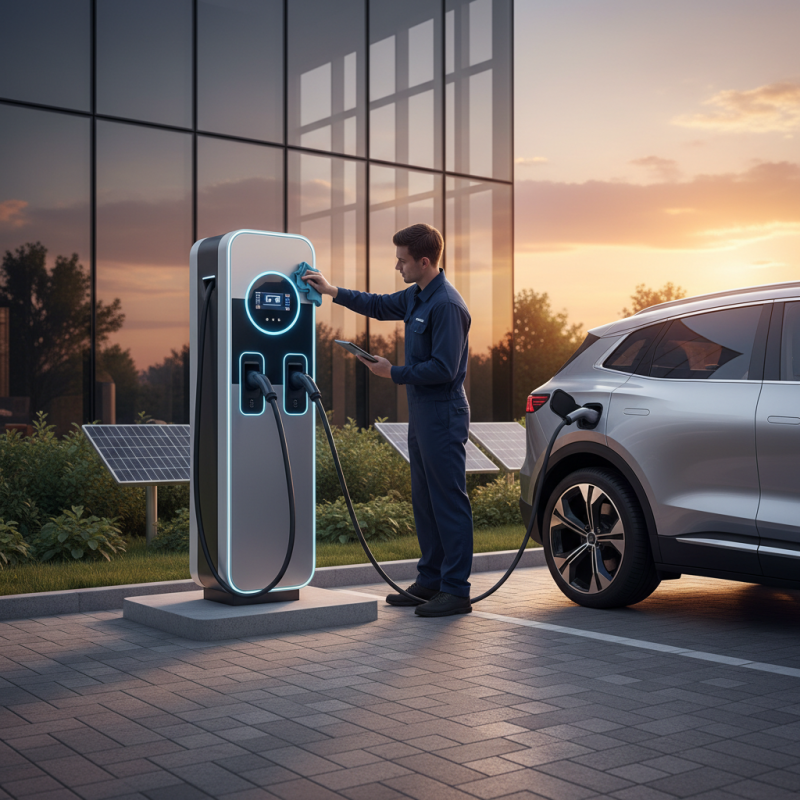
Regular maintenance of EV charging stations is critical for their optimal performance. Neglecting this can lead to decreased efficiency and reliability. Over time, dust and debris accumulate on connectors and ports, causing poor electrical connections. This can result in slow charging times, frustrating users. Periodically cleaning these components ensures better conductivity and enhances customer satisfaction.
Another crucial aspect is software updates. Charging stations often rely on complex software for operation. Outdated software might introduce bugs that affect performance. Regular updates can fix known issues and improve user experience. It’s vital to have a scheduled maintenance plan that includes these updates. Doing so can minimize downtime and maintain the station’s reputation.
Moreover, testing the equipment’s functionality is equally important. This includes checking for wear and tear on cables and plugs. Visual inspections can reveal cracks or other damage that could pose safety risks. Acting on these findings promptly is necessary to prevent accidents. An effective maintenance strategy should include regular inspections and immediate repairs. Taking these proactive steps can significantly reduce disruptions and ensure reliability.
| Maintenance Task | Frequency | Purpose | Notes |
|---|---|---|---|
| Visual Inspection | Weekly | Identify any physical damage or wear | Check for cleanliness and signs of vandalism |
| Software Updates | Monthly | Ensure system functionality and security | Check for the latest firmware releases |
| Connector and Cable Check | Monthly | Prevent electrical hazards | Look for fraying or damage |
| Dust and Debris Cleaning | Monthly | Maintain optimal airflow and cooling | Use appropriate cleaning tools |
| Electrical System Check | Quarterly | Ensure safe operational conditions | Consider hiring a professional technician |
| User Feedback Review | Bi-Annually | Improve user experience | Analyze customer reports and ratings |
: Regular maintenance ensures optimal performance and reliability. Neglect leads to decreased efficiency and increased downtime.
Accumulated dust and debris can cause poor electrical connections, resulting in slow charging times and user frustration.
Software updates fix bugs and improve performance. Outdated software might lead to operational issues, affecting user experience.
A maintenance plan should include regular cleaning, software updates, and periodic inspections of hardware and power supply systems.
Visual inspections should be conducted at least once a month to identify visible wear or damage on equipment.
Frayed cables can lead to charging inefficiencies and pose safety risks. Regular inspections help catch these issues early.
Neglect can lead to significant downtime, reducing station usage and ultimately affecting customer satisfaction.
Regular cleaning prevents malfunctions caused by dust and debris, ensuring consistent charging performance.
Overlooking updates can lead to security vulnerabilities and reduced functionality of charging stations.
Proper training helps staff efficiently handle updates and address potential risks, contributing to the overall reliability of the station.
Maintaining an EV charging station is essential for ensuring optimal performance and longevity. Understanding the importance of regular maintenance helps prevent downtime and enhances user satisfaction. Key components that require attention include the charging ports, electrical connections, and safety features. Routine inspection procedures should be implemented to monitor the overall functionality and identify any signs of wear and tear.
In addition, knowing how to maintain an EV charging station involves troubleshooting common issues that may arise, such as connectivity problems or overheating. Incorporating best practices for upgrading and enhancing the efficiency of the charging station can also significantly improve its performance. By prioritizing maintenance, operators can ensure that their EV charging stations remain reliable and effective for all users.

 Irvion Charger