Public electric vehicle (EV) chargers are a vital component of the growing EV ecosystem. However, understanding why public EV chargers have peak times can enhance user convenience. According to a report by the International Energy Agency, EV sales surged by 54% in 2021, leading to increased demand for charging infrastructure. Alongside this growth, public chargers experience significant usage peaks during specific hours.
Data shows that evenings often see the highest charger activity. Commuters returning home frequently require a quick charge. The increased volume can lead to longer wait times and frustration among EV users. Furthermore, weekends see a rise in leisure travel, further straining public charging stations. These patterns highlight the importance of strategic planning when charging an EV.
Navigating peak times effectively requires awareness and flexibility. Users may consider charging during off-peak hours or utilizing charging station apps for real-time availability. Seeking alternatives like workplace or home charging can alleviate dependence on public chargers. Awareness of these patterns can make a significant difference in the EV charging experience.
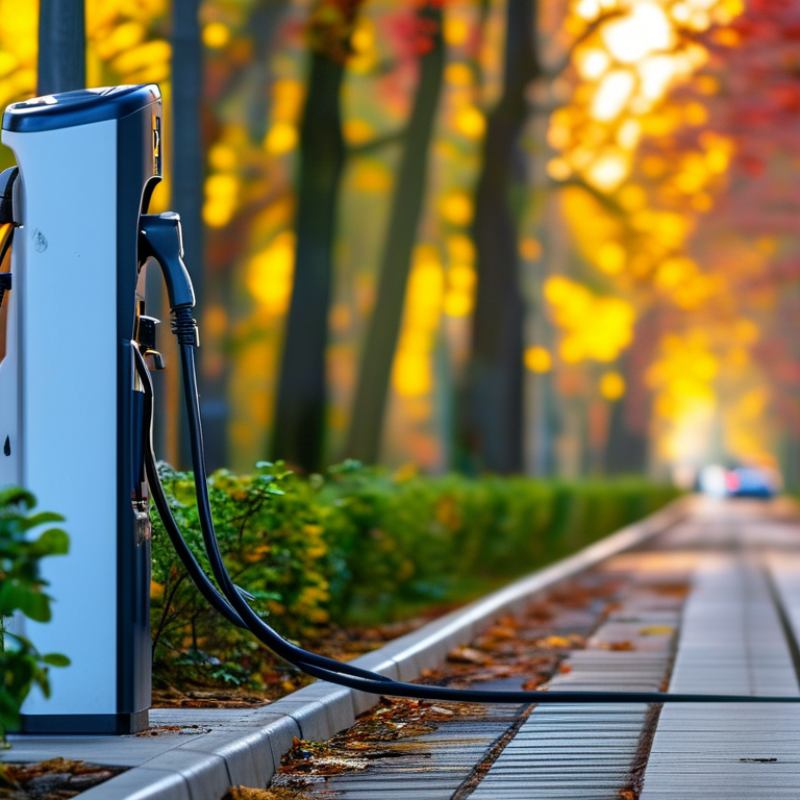
Understanding peak times for public EV chargers is crucial for efficient usage. These peak periods often coincide with common driving hours. Morning commutes and late afternoons are particularly busy. Many drivers seek to charge their vehicles while running errands or at work. This creates congestion at charging stations, leading to longer wait times.
To navigate these busy hours, it helps to plan ahead. Research local charging station patterns. Some stations may offer real-time availability updates. This can save you from frustrating delays. Additionally, consider alternative charging locations or times. Charging during off-peak hours can be more convenient. However, some drivers might not have this flexibility. It’s worth noting that many people still face challenges in finding less crowded options.
Moreover, local infrastructure can play a role. Not all areas have equal access to charging stations. Urban settings may experience high demand, while rural locations may have fewer options. Understanding your region’s charging landscape can guide your choices. Always be prepared for unexpected situations. Sometimes, you can’t avoid peak periods, and patience is key.
Peak charging times for public EV chargers are influenced by several key factors. According to a recent report from the International Energy Agency, demand for EV charging surges during weekday mornings and evenings. This trend correlates with commuting hours when many drivers seek to charge their vehicles. Limited charging infrastructure exacerbates this situation, often resulting in long wait times.
Another significant factor is the geographic location of charging stations. Urban areas typically see a higher density of EV users, leading to increased competition for chargers. In a survey by the Electric Vehicle Charging Association, 70% of respondents expressed concerns about finding available chargers during peak hours. This highlights an urgent need for more charging stations to meet the growing demand.
Behavioral patterns also play a role. Many EV owners prefer to charge at home overnight, but those without access to home charging rely on public infrastructure. This reliance creates spikes in demand when they need a quick boost, particularly on weekends or after work hours. As the EV market expands, understanding and addressing these peak times is crucial for developing a reliable charging network.
Electric vehicles (EVs) are becoming increasingly popular, leading to higher demand for public chargers. Data shows that peak usage times often occur during early mornings and late afternoons as commuters charge before or after work. According to the U.S. Department of Energy, charging stations can see a 40% increase in usage during these hours. This surge can lead to longer wait times for EV drivers.
To navigate these busy periods, EV drivers can adopt several strategies. One effective method is to schedule charging during off-peak times, such as midday or late evening. This tactic not only minimizes wait times but also may offer lower electricity rates. Another option is to use real-time apps that provide updates on charger availability, enabling drivers to plan their stops efficiently. These solutions can help reduce the frustration associated with high-demand charging stations.
It's essential to remain flexible and patient. Sometimes chargers may be occupied, necessitating a change in plans. Charging infrastructure is still evolving, and many regions are actively working to expand their networks. Staying informed about local charging developments can lead to better experiences. Understanding peak times is crucial, but adapting to the situation can enhance the overall EV ownership journey.
Location plays a crucial role in determining the availability of public EV chargers. Urban areas tend to attract more traffic, leading to longer wait times. Many busy city charging stations often become overcrowded, especially during peak commuting hours. If you're in a bustling downtown area, expect delays. Planning your charging stops in advance can help mitigate this issue.
Peak times also vary depending on specific locations. For instance, chargers near popular shopping centers or events may see spikes during weekends. Users might experience difficulties finding an available charger during these busy moments. It’s essential to have alternative locations in mind when the primary station is full.
Understanding local charging habits can help EV owners navigate these challenges. Many apps provide real-time availability data. However, technology can sometimes fail, leaving users stranded. It’s advisable to remain flexible and patient. Anticipating peak times in your area can lead to a smoother charging experience and more efficient travel.
Public EV chargers experience peak times, leading to congestion. As electric vehicle adoption grows, so do the challenges associated with charging. Emerging technologies can help alleviate these issues, making the charging experience smoother.
Smart charging solutions are gaining traction. These systems prioritize energy distribution based on demand and availability. By adjusting charging rates or redirecting power, they ensure that more vehicles can be charged simultaneously. This approach reduces wait times and improves overall efficiency.
Tips: Charge during off-peak hours. This can save time and reduce frustration. Consider using apps that provide real-time data on charger availability. Staying informed can help you avoid busy times and make your charging experience more pleasant.
Vehicle-to-grid (V2G) technology is another promising development. It allows EVs to feed energy back into the grid during high demand. This not only supports the energy network but also provides drivers with potential savings. However, widespread implementation is still in the works. Reflection on user behavior and technological advancement will be crucial for these solutions to truly solve congestion challenges.
This chart illustrates the peak usage times for public EV chargers throughout the day. Notably, usage surges during early morning and late afternoon hours, highlighting the importance of planning charging sessions to avoid congestion.
: Peak times often align with common driving hours, especially morning commutes and late afternoons.
Plan ahead by researching local charging station patterns and checking for real-time availability updates.
Many drivers might not have the flexibility. It's important to anticipate busy periods and consider alternatives.
Urban areas tend to have higher traffic and longer wait times, especially near busy centers or events.
Advance planning can help mitigate the risk of overcrowding and unexpected delays at charging stations.
Rural locations often have fewer charging options, making it crucial to understand the local charging landscape.
Technology can sometimes fail, leaving users without accessible options. Flexibility is essential in such cases.
Always be ready for peak periods and anticipate the possibility of delays at charging stations.
Have alternative locations in mind. This can save you time and reduce frustration during busy moments.
Public EV chargers experience peak times due to a combination of factors including consumer behavior, location, and the overall demand for electric vehicle charging. Understanding why public EV chargers have peak times is essential for drivers seeking to optimize their charging experience. Factors such as high traffic areas and the tendency for drivers to charge during specific hours contribute significantly to the congestion at charging stations.
To avoid the frustrations of busy charging times, EV drivers can adopt several strategies, such as planning charging during off-peak hours or using apps to monitor charger availability. Additionally, the impact of a charging station's location on its demand cannot be overlooked, as urban centers tend to attract more users. Emerging technologies are also paving the way to alleviate these congestion issues, enhancing the overall efficiency and accessibility of public EV charging networks.
Irvion Charger