As the popularity of electric vehicles (EVs) surges, understanding how to reduce charging costs for electric vehicles has become crucial. According to the U.S. Department of Energy, the average cost of charging an EV at home is about 10 to 15 cents per kilowatt-hour. However, this can vary significantly based on energy rates and charging habits. As consumers seek affordable solutions, exploring different strategies is essential.
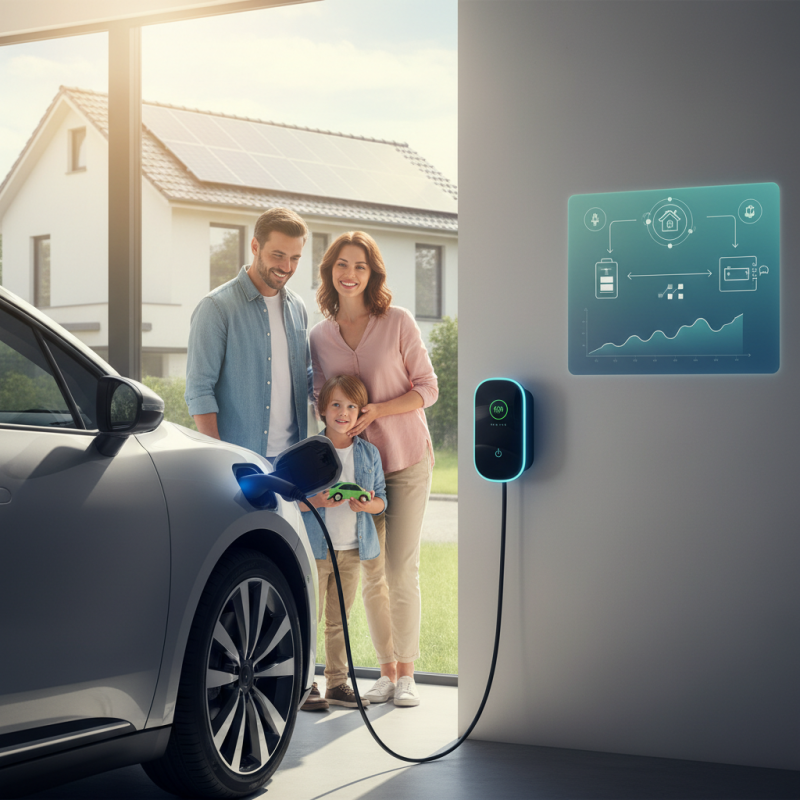
Adopting smart charging technology can lower expenses. Research by the Electric Power Research Institute shows that charging during off-peak hours can save drivers up to 50% on energy costs. Furthermore, utilizing home solar panels presents a sustainable way to mitigate electricity bills. Many homeowners could benefit from combining these technologies to reap financial savings and environmental benefits.
Finding the right balance in charging habits may require some trial and error. Some users have reported higher costs from unreliable public chargers, indicating the need for careful planning. It’s not just about the purchase price of an EV; ongoing costs matter too. Learning how to reduce charging costs for electric vehicles is essential for long-term economic and environmental sustainability in the shifting automotive landscape.
Understanding Electric Vehicle Charging Costs
Electric vehicle charging costs can be influenced by various factors. Charging rates differ significantly based on location and time of day. Peak hours are typically more expensive. Knowing this can save you money. For instance, charging during off-peak times can reduce costs by as much as 50%.
The charging method also matters. Public charging stations tend to charge more than home installations. Investing in a home charger can lead to long-term savings. But installation costs should also be considered. Some may find it more affordable to rely on public charging, especially if usage is low.
Energy sources play a crucial role too. Renewable energy can often reduce the overall cost of charging. Depending on local incentives, there might be programs to install solar panels. If done correctly, this can lead to significant savings. Over time, understanding these variables can help drivers manage costs effectively.
Understanding the best times to charge electric vehicles (EVs) can lead to significant cost savings. Data from the Electric Power Research Institute reveals that charging during off-peak hours can reduce electricity costs by up to 50%. Off-peak hours typically fall at night or early in the morning when overall demand is lower. This strategy helps in balancing the load on the grid and often aligns with lower energy prices.
Furthermore, installing a smart charger can enhance savings. These chargers can automate charging during off-peak hours and avoid higher rates during peak time. A study by the U.S. Department of Energy shows that households with smart chargers save an average of $200 annually. However, many users overlook the importance of monitoring their electricity rate plans. Some providers offer variable rates that change based on demand, which could lead to opportunities or pitfalls depending on one’s charging habits.
Lastly, users should consider local incentives and programs. Government initiatives often provide rebates for using renewable energy during specific hours, which can further lower costs. A survey conducted by the Institute for Electric Innovation confirms that 30% of EV owners are unaware of such programs. This gap highlights an opportunity for increased awareness in the EV community, optimizing both savings and sustainable practices.
Utilizing home solar energy can significantly reduce electric vehicle (EV) charging costs. By generating your own electricity, you can power your EV for a fraction of the price compared to using grid electricity. Installing solar panels may seem daunting, but the initial investment can pay off quickly. Many households find that with proper planning, solar energy becomes a sustainable solution.
It's crucial to calculate your energy needs. How much do you drive? How much sun does your area get? Use this information to size your solar system effectively. Monitoring your energy consumption can lead to further savings. Be aware that energy prices fluctuate, making solar energy an attractive option.
Consider energy storage systems as well. By adding batteries, you can store excess solar energy for nighttime charging. This setup can further increase your savings. Don’t forget to explore local incentives for solar installation. They can make the process more affordable and encourage renewable energy use. Embracing solar energy not only cuts costs but also reduces your carbon footprint.
Electric vehicles (EVs) are becoming more popular, but charging can be costly. One way to save money is by taking advantage of off-peak charging incentives. Many utility companies offer discounts for charging during non-peak hours. These hours often fall late at night or early in the morning. By charging your EV during these times, you can significantly lower your electricity bill.
Understanding local programs is essential. Some regions have specific incentives that encourage off-peak charging. For instance, time-of-use rates allow drivers to benefit from lower rates when demand is low. Be sure to check for any available rebates or incentives from local governments as well. These options can make a notable difference in your overall charging costs.
While off-peak charging is beneficial, it’s crucial to note the need for planning. Not every EV owner has the ability to charge overnight. This can lead to frustration. Additionally, some charging stations may not adhere to these time-based discounts. It's worthwhile to compare different charging locations and methods to find reliable options. Adapting to these strategies may require effort, but the potential savings can be substantial.
Finding cost-effective charging stations is crucial for electric vehicle (EV) owners. Many charging stations offer varied pricing based on time and location. Look for charging networks that provide membership discounts. Some memberships can lower costs significantly if you charge regularly at certain stations. Explore local maps that highlight less-trafficked charging locations, as they might offer lower rates.
Consider charging at off-peak hours. Many stations adjust their pricing based on demand. Charging late at night often proves more affordable. Apps can help track these price changes, allowing you to charge during the cheapest periods. However, not all apps may have updated information. Always double-check pricing before plugging in.
Some users overlook home charging plans. Utility companies often provide special rates for EV owners. Research these options to see if they suit your charging habits. Sometimes, it’s possible to get incentives for installing home charging equipment. However, proceed with caution. Some installations may involve hidden costs. Calculating these can ensure you make informed decisions and truly save.
: Off-peak charging incentives are discounts for charging during non-peak hours, usually at night or early morning.
Charge your EV during off-peak hours to lower electricity bills significantly.
Yes, some regions have specific incentives, like time-of-use rates that reduce costs when demand is low.
Yes, planning is essential as not all EV owners can charge overnight. This can cause inconvenience.
Compare different charging locations. Not all stations offer time-based discounts, so check rates beforehand.
Look for charging networks that provide membership discounts. Sometimes, lesser-known stations offer lower rates.
Yes, many utility companies provide special rates for home charging, which can be cost-effective.
Yes, some installations may have hidden costs. Calculate them carefully to ensure actual savings.
Prices can vary based on demand and time. Always double-check to avoid unexpected costs.
Apps help track price changes, but they may not always have updated information. Verify before charging.
In today's world, understanding electric vehicle charging costs is crucial for both new and experienced EV owners. One of the best strategies on how to reduce charging costs for electric vehicles is to identify the optimal charging times that align with lower rate periods offered by utility companies. Additionally, utilizing home solar energy can significantly offset charging expenses, providing a sustainable and cost-effective solution.
Moreover, exploring off-peak charging incentives and programs can further lower costs, as many utilities encourage charging during less busy times. Finally, it's essential to find cost-effective charging stations and plans that suit individual driving patterns and budget considerations. By combining these strategies, EV owners can effectively minimize their charging costs and maximize the benefits of their electric vehicles.

Irvion Charger