Choosing the right EV charging station for home is crucial for electric vehicle owners. With so many options available, it can be overwhelming. You might ask yourself how to choose an EV charging station for home. Understanding your specific needs is a good starting point.
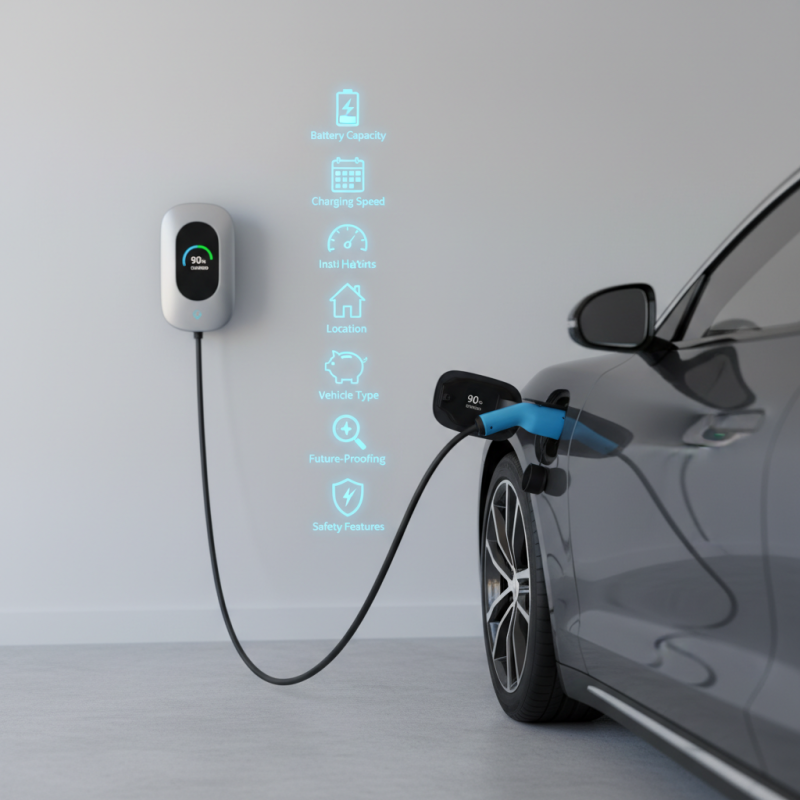
Consider your car’s battery capacity and charging speed. Different chargers come with varying power outputs. Think about your daily driving habits, too. If you only need a short charge overnight, a Level 1 charger might suffice. But if you're frequently on the go, a faster Level 2 charger is essential.
Also, pay attention to installation requirements. Some units may need professional installation, while others are plug-and-play. Assess the location of the charger in your home. Ensure it’s accessible and safe from damage. Evaluating your budget is also important. Cheaper models may save you money upfront but could lack features you need later. Remember, taking the time to reflect on these factors can lead to a more satisfying charging experience.
When selecting an EV charging station for your home, understanding your electrical capacity is crucial. Every home has a specific electrical load limit. An average household may supply enough power, but not all homes are alike. You should check your home's main electrical panel. It's essential to know how much energy is available.
Many underestimate their capacity. A high-demand household may struggle with an EV charger. If your panel is outdated, you might need an upgrade. Without sufficient capacity, your charging experience can be frustrating. Chargers often draw high amounts of current. This can indeed trip breakers if the capacity is exceeded.
Consider any additional appliances that use significant power. Air conditioning, heating, and kitchen devices can all affect your charging. If your home has limited capacity, charging overnight may not be effective. Sometimes, it's more complicated than just plugging in your car. Always assess your situation carefully to avoid potential problems later.
| Tip | Description | Considerations |
|---|---|---|
| Assess Electrical Capacity | Understand your home's electrical system capacity to support an EV charger. | Check the amperage and voltage ratings of your electrical panel. |
| Determine Charger Type | Choose between Level 1 and Level 2 chargers based on your needs. | Level 1 is slower; Level 2 requires 240V outlet. |
| Consider Installation Costs | Evaluate the overall cost of purchasing and installing the charger. | Factor in potential electrical upgrades needed. |
| Check for Rebates | Look for local or federal incentives for EV charger installation. | Explore tax credits and rebates offered. |
| Evaluate Charging Speed | Consider how quickly you want to charge your vehicle. | Check the kW rating of the charger. |
| Assess Location | Find a convenient place for the charger installation at home. | Ensure good access to your vehicle and power supply. |
| Check Safety Features | Ensure the charger has built-in safety features. | Look for features like surge protection, temperature control. |
| Research Compatibility | Check that the charger is compatible with your EV make and model. | Review plug types and charging standards. |
| Read Reviews | Investigate user reviews and ratings for charging stations. | Consider customer service and warranty options. |
| Plan for Future Needs | Think about increasing your electrical capacity for future EVs. | Ensure the system is scalable for multiple vehicles. |
: Check your main electrical panel to understand the available energy. Every home has a specific load limit.
An outdated panel may struggle with an EV charger. This can lead to tripped breakers during charging.
Appliances like air conditioning and heating impact capacity. They can limit the effectiveness of overnight charging.
A Level 2 charger can provide 3.3 kW to 22 kW. Consider a 7.2 kW charger for efficient overnight charging.
Higher power output can reduce charging time but may require an upgrade. Know your daily driving needs to choose wisely.
Installation costs can range from a few hundred to a couple of thousand dollars. Outdated wiring may increase expenses.
Yes, many programs offer rebates for installations. Research local options to potentially reduce your costs.
Compare speed and costs carefully. Level 2 chargers charge faster but come with higher installation expenses.
A professional can help assess your needs and local conditions. Their advice can optimize your charging efficiency.
Think about how often you'll charge. Your usage will impact your charger choice and overall installation costs.
When considering how to choose an EV charging station for home, it's essential to start by understanding your home's electrical capacity to ensure compatibility and safety. Evaluating the different types of EV charging stations available is crucial, as they vary in features and functionality. Next, assessing charging speed and power output requirements can significantly impact your vehicle's charging time and overall convenience.
Additionally, potential installation costs and available incentives should be taken into account, as these factors influence the financial aspects of your decision. Finally, choosing the right location for your EV charging station at home is vital for ease of access and usability. By following these tips, homeowners can make informed choices that optimize their electric vehicle charging experience.

 Irvion Charger