Why is My EV Charging Slowly Tips for Faster Charging

Time:2026-05-01 Author:Aria
0%

Electric vehicles (EVs) are becoming increasingly popular. Many owners, however, often wonder, "why is my EV charging slowly?" This concern can lead to frustration, particularly when you are in a hurry. Understanding the factors affecting charging speed is essential for a smooth EV experience.

Several reasons could be influencing the slow charging of your vehicle. First, the type of charger you use plays a significant role. Level 1 chargers are the slowest, taking hours for a full charge. On the other hand, Level 3 chargers can deliver a rapid charge but are less accessible. Additionally, environmental conditions, like extreme temperatures, can slow down charging efficiency. Battery health is another consideration; an older battery may struggle to charge quickly.

If you're facing slow charging, it may be time to reflect on your practices. Are you using the right charger for your needs? Have you ensured your charging cable and connectors are in good condition? Addressing these questions can help improve your charging experience and keep you on the road longer.
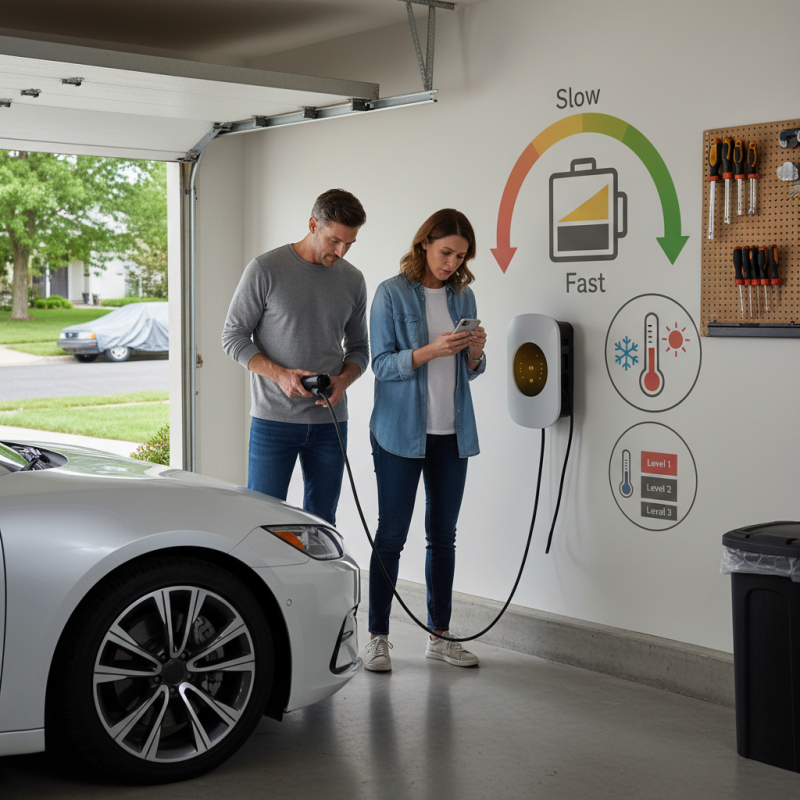
Why is My EV Charging Slowly Tips for Faster Charging

Factors Affecting EV Charging Speed

Electric vehicle (EV) charging speed can vary due to several factors. One major influence is the type of charger used. Level 1 chargers are the slowest, taking hours to deliver a full battery. On the other hand, Level 2 chargers offer significantly faster charging times. However, not all charging stations provide the same power output, impacting how quickly your vehicle charges.

Ambient temperature also plays a crucial role. Extreme heat or cold can slow down the charging process. Lithium-ion batteries, which power most EVs, operate best in moderate temperatures. Additionally, battery age and health are essential. Older batteries may charge more slowly due to wear over time. Overheating during charging can also reduce efficiency. This means that before using a charger, consider not only the charger type but the conditions surrounding your vehicle.

Lastly, the state of charge (SOC) impacts charging speed. If your battery is nearly empty, it charges quickly at first. However, as it approaches full capacity, charging slows to protect battery life. This may leave some feeling frustrated. It’s essential to recognize these factors and assess your charging needs. By understanding these variables, you can make better choices for optimal charging speeds.

Common Reasons for Slow EV Charging

Slow charging of electric vehicles (EVs) can frustrate drivers. Understanding common reasons behind this issue is crucial. Research shows that around 40% of EV users experience slow charging at home, often due to inadequate charging equipment. Using a standard household outlet instead of a dedicated Level 2 charger can significantly slow down the charging process.

Another factor affecting charging speed is the battery temperature. EV batteries function optimally between 20°C and 30°C. If the battery is too cold or too hot, charging slows down to protect the battery's health. A study from the National Renewable Energy Laboratory indicates that battery temperatures outside this range can reduce charging efficiency by up to 20%. Additionally, the age of the battery plays a role. As batteries age, their ability to accept maximum charge diminishes.

Proper connection is also key. A loose charging cable can result in slower charging rates. In fact, regular maintenance checks on charging hardware can help identify and fix such issues. Adopting these practices can propel EV owners toward faster charging experiences.

Tips for Selecting the Right Charging Station

Choosing the right charging station is crucial for faster electric vehicle (EV) charging. Start by assessing your vehicle's compatibility. Not all stations work with every EV model. Check the charging standards your vehicle supports to avoid costly mistakes.

Pay attention to the charging speed. Level 1 chargers are the slowest. They can take hours to fully charge your EV. Level 2 chargers provide a significant speed increase. If you have access to one at home or work, utilize it. Fast-charging stations are available on the road, but they can be limited in number.

Location matters, too. Look for charging stations near your usual routes. Accessibility is key, especially during long trips. Always plan ahead to avoid delays. Finally, consider user reviews of charging stations. Feedback can help you find reliable options. Take the time to research. Charging experience can vary widely.

Maximizing Charging Efficiency at Home

Maximizing your EV charging efficiency at home requires attention to detail. Start by assessing your electrical outlet. A standard 120-volt outlet provides slower charging than a 240-volt unit. Upgrading your home system can expedite the charging process significantly.

Additionally, ensure your charging cable is in good condition. Frayed wires or poor connections can slow down charging. Regularly inspect your equipment to avoid unexpected delays. Another tip involves charging during off-peak hours. Electricity demand is lower at night, which can lead to faster charging rates.

Charging in cooler conditions can also improve efficiency. High temperatures can impact battery performance. Find a shaded spot or charge indoors when possible. Monitor your EV’s software for updates. Manufacturers often release updates that enhance charging efficiency.

By implementing these strategies, you can maximize your EV charging experience at home.

Maintaining Your EV Battery for Optimal Charging Performance

Maintaining your electric vehicle (EV) battery is crucial for optimal charging performance. Regular care can significantly impact charging speeds and battery lifespan. Research indicates that a well-maintained battery can charge 10-20% faster than one that is neglected. This highlights the importance of routine checks and maintenance.

Temperature plays a vital role in charging efficiency. Extreme heat or cold can slow charging times. EV batteries function best in moderate temperatures, ideally between 20-25°C. Investing in a garage or shaded parking can help maintain a stable environment. Moreover, keeping your battery charged between 20% and 80% can reduce degradation and enhance overall performance.

Understanding your charging equipment is also essential. Not all chargers deliver the same power. Level 2 chargers offer faster charging compared to standard outlets, often reducing charging time by half. However, research shows that using subpar charging cables can impact efficiency. Regularly inspect your cables and connections for wear and tear. Achieving optimal charging speeds requires attention to both your EV battery and charging infrastructure.

FAQS

: What factors affect EV charging speed?

: Charging speed varies based on the charger type, battery health, ambient temperature, and state of charge.

How does charger type impact charging speed?

Level 1 chargers are slow, while Level 2 chargers charge significantly faster.

Can temperature influence the charging process?

Yes, extreme heat or cold can slow down charging. Batteries perform best in moderate conditions.

Does battery age affect charging performance?

Older batteries may charge slower due to wear. It's important to check battery health regularly.

What does the state of charge (SOC) mean for charging speed?

A nearly empty battery charges quickly at first. Charging slows down as it nears full capacity.

How can I select the right charging station?

Ensure compatibility with your EV model and consider the charging speed of the station.

Why is location important for charging stations?

Proximity to your routes ensures accessibility during trips and can prevent delays in charging.

What maintenance can improve my EV battery’s charging performance?

Regular checks, moderate temperature control, and keeping the battery charged between 20% and 80% help.

How can charger quality affect charging speed?

Using high-quality chargers and cables reduces charging time. Subpar equipment can slow down the process.

What should I consider before using a charging station?

Research user reviews and available options. Charging experiences can differ widely based on station quality.

Conclusion

When faced with the question of "why is my EV charging slowly," several factors come into play. Charging speed can be influenced by the type of charger used, the condition of the charging cable, and the ambient temperature. Common reasons for slow EV charging may include using a low-power outlet or a faulty charging station.

To enhance charging efficiency, selecting the appropriate charging station is crucial. Home charging options can be optimized by investing in a level 2 charger and ensuring proper electrical setup. Additionally, maintaining your EV battery regularly will play a significant role in achieving optimal charging performance, as a well-maintained battery can charge more effectively and swiftly. Implementing these tips can help EV owners maximize their charging experience and reduce downtime.

Aria

Aria

Aria is a dedicated marketing professional with a deep passion for innovative strategies and a keen understanding of our company's product offerings. With a wealth of experience in the industry, Aria excels at crafting engaging content that highlights the unique features and benefits of our......