10 Tips on How to Optimize Charging for Electric Buses?

Time:2026-10-07 Author:Isabella
0%

Electric buses are changing urban transport, but buying the vehicles is only one part of electrification. Reliable charging determines whether a fleet leaves the depot on time, completes its route, and returns with enough energy. This guide explains how to optimize charging for electric buses through practical planning, accurate data, and disciplined daily operations.

Colin McKerracher, head of advanced transport at BloombergNEF, has observed, “Electric buses are already cheaper to operate than diesel buses in many markets.” His point carries an important warning. Lower operating costs do not happen automatically. Operators must match charger power with route length, passenger loads, weather, and available grid capacity. A 150-kilowatt charger may suit an overnight schedule. A high-power pantograph charger may work better between frequent urban trips. The correct choice depends on evidence, not assumptions.

The following tips examine depot layout, charging windows, battery health, energy tariffs, and fleet scheduling. They also consider software, maintenance, driver habits, and emergency planning. A bus waiting beside a full charger still represents wasted capacity. Small delays can spread across an entire morning peak. Real-world experience matters here. Weather changes. Routes change. Batteries age.

No plan is perfect.

Operators should review charging data weekly and question unexpected results. Sometimes, a larger charger is not the answer. Sometimes, poor scheduling creates the real problem. This article offers a practical framework for improving reliability, controlling energy costs, and protecting battery life. Its recommendations should be tested against local conditions before major infrastructure decisions are made.
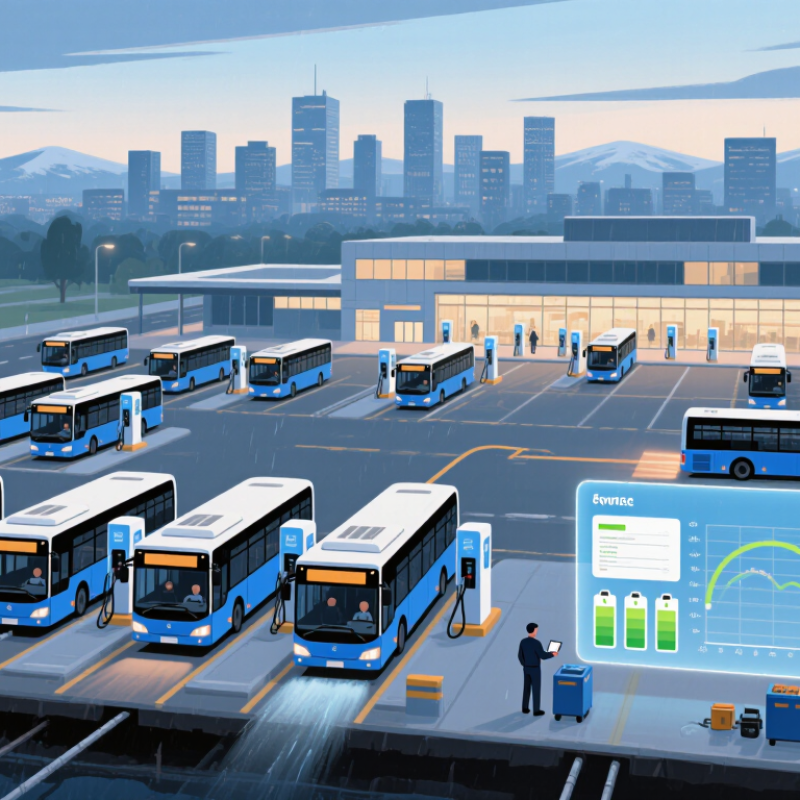
10 Tips on How to Optimize Charging for Electric Buses?

Assess Electric Bus Energy Needs and Operating Patterns

10 Tips on How to Optimize Charging for Electric Buses?

Assess Electric Bus Energy Needs and Operating Patterns

Tip 1: Map every route, not just its distance. Record passenger loads, hills, traffic, dwell time, and seasonal temperatures. Two 120-kilometer routes can require very different battery reserves.

Tip 2: Use real operating data from onboard systems. Timetables often underestimate delays.

Tip 3: Separate weekday, weekend, and school-service patterns.

Tip 4: Measure energy use per kilometer after each duty cycle.

Tip 5: Calculate energy needs with a reserve, but avoid excessive buffers. Oversized reserves may reduce usable capacity and increase charging demand.

Tip 6: Include heating and cooling loads. Cold mornings can change the result sharply.

Tip 7: Check battery state of charge at pull-in and pull-out times.

The International Energy Agency’s Global EV Outlook 2024 reported nearly 50,000 electric buses sold worldwide in 2023. Its data also showed a global electric-bus stock above 635,000 vehicles. This growth makes accurate route assessment increasingly important.

Tip 8: Match charging windows with operating patterns, electricity tariffs, and depot capacity.

Tip 9: Simulate unexpected delays before setting charger limits.

Tip 10: Review the model monthly. Routes evolve.

A perfect estimate is impossible. That uncertainty deserves respect. Field experience also shows that average energy figures can hide difficult days, especially during extreme weather or heavy passenger demand. Use measured data, not assumptions, and keep a clear record of every adjustment.

Choose Charging Technologies for Each Fleet Requirement

10 Tips on How to Optimize Charging for Electric Buses?

Choose Charging Technologies for Each Fleet Requirement

Charging technology should follow the route, not fashion. Start by recording daily mileage, passenger load, weather, layover time, and depot movements. A bus covering 180 kilometers overnight may suit slower depot charging. A short urban route with ten-minute stops may need high-power opportunity charging. Match charger output to battery capacity, timetable, and available grid capacity. Bigger is not always better.

Place chargers where buses naturally pause. Keep overnight units near parking lanes, and position opportunity chargers at reliable terminal points. Check cable reach, turning space, drainage, lighting, and winter access. Add load management to prevent several buses charging at full power together. Use scheduled charging during lower-demand hours where electricity tariffs permit. Install more than one charging point for critical routes. Reliability matters more than impressive specifications.

Protect the battery with sensible charging limits and thermal monitoring. Train drivers to report unusual heat, warning messages, or slower charging. Collect data on energy use per kilometer, queue time, charger faults, and missed departures. Test the plan with one route before expanding it. Our first schedule looked efficient on paper, but recovery time was too short. That mistake taught us to include delays, cleaning, and unexpected traffic. Consult qualified electrical engineers, follow local safety rules, and document maintenance procedures. Review the system quarterly, because routes and fleet demands rarely stay unchanged.

Plan Routes and Charging Schedules Around Battery Capacity

Plan Routes and Charging Schedules Around Battery Capacity

Electric bus scheduling should begin with usable energy, not timetable optimism. Measure each route’s distance, elevation, passenger load, heating, air-conditioning, and traffic delays. The IEA’s Global EV Outlook 2024 reports more than 600,000 electric buses operating worldwide in 2023. However, operating conditions vary sharply. Build an energy model from vehicle logs, then validate it through winter and summer trials.

Reserve 10–15% battery capacity for delays, cold weather, and diversions. This margin is practical, though not universal. Leave margin. Pair steep, long routes with higher-capacity buses. Assign lighter urban loops to smaller battery packs when possible. Avoid returning nearly depleted buses to service.

Schedule charging around route blocks. Charge after demanding runs, during planned layovers, and overnight when grid capacity allows. The U.S. National Renewable Energy Laboratory reports that charging needs depend on duty cycle, dwell time, climate, and charger power. Battery size alone is not enough.

Keep one recovery window between route blocks. Use telematics to flag vehicles below their expected state of charge before dispatch. For midday charging, compare energy gained against queue time and driver relief. A charger can be available yet operationally useless. Review schedules weekly. An ICCT analysis published in 2023 found real-world energy use can differ materially from test-cycle assumptions. Our first plan may fail. That is useful evidence. Test one route, record every delay, and revise the timetable before expansion.

Optimize Charging Settings to Protect Battery Health

10 Tips on How to Optimize Charging for Electric Buses?

Optimizing charging settings protects battery health and keeps buses available. Start with the battery maker’s approved voltage, current, and temperature limits. Do not copy settings from another vehicle. Battery chemistry and pack design can differ significantly.

Keep the normal charging target below 100% when daily routes allow it. A practical range, such as 20% to 90%, can reduce stress, but the correct window depends on the battery system. Full charging still matters before demanding routes. Avoid leaving a fully charged bus parked for many hours. That habit is easy to miss.

Temperature control deserves close attention. Delay charging when the battery is extremely hot or cold, unless the control system manages conditioning safely. Use moderate charging power during long overnight sessions. High current saves time, but repeated heat can accelerate aging. Monitor charge curves, warning codes, and energy consumption each week. A sudden change may reveal cooling, calibration, or cell-balance problems.

I once assumed slower charging was always healthier. That was incomplete. Poorly timed charging can create depot congestion and unnecessary recharging cycles. Stagger departures, then set charging windows around route demand. Keep records of state of charge, battery temperature, and charging duration. Review them with a qualified technician. Small adjustments matter. Periodically test usable capacity and compare it with earlier results. If performance declines unexpectedly, investigate before changing the settings. Generic advice helps, but measured fleet data should guide the final decision.

Monitor Charging Performance and Improve Fleet Efficiency

10 Tips on How to Optimize Charging for Electric Buses

Monitor Charging Performance and Improve Fleet Efficiency

Effective charging optimization begins with reliable operational data. Record energy delivered, charging duration, battery state of charge, and departure readiness for every bus. Compare these records with route distance, passenger loads, weather, and depot temperature. A bus needing 320 kWh after a cold shift may require more energy than usual. Small changes matter.

Review charger performance every day. Check interrupted sessions, unusual power reductions, connector faults, and long idle periods after charging ends. Use calibrated meters when possible, and compare charger readings with vehicle data. This simple cross-check can expose inaccurate reports. It also supports maintenance decisions with evidence, not assumptions. Set practical alerts for low battery readiness and repeated charging delays.

Charging schedules should reflect real fleet movements, not ideal timetables. Stagger sessions when several buses return together, then adjust power according to departure urgency. Keep a small reserve for route changes or unexpected delays. Forecasts will not always be correct. Traffic, weather, and driver behavior can disrupt even a careful plan. Review missed targets weekly and investigate the cause. Sometimes the problem is equipment; sometimes the schedule is unrealistic. Record both findings and corrections. Personnel should also inspect cable condition, ventilation, and visible damage during routine checks. Consistent records build operational confidence and reveal efficiency gains over time.

10 Tips to Optimize Charging for Electric Buses

Monitor charging performance, reduce avoidable energy losses, and improve fleet efficiency through practical charging controls.

The values show realistic planning ranges for potential charging-efficiency improvement when each practice is consistently applied. Actual results vary with route length, weather, battery age, charger power, and fleet duty cycle.

FAQS

How should operators estimate an electric bus route’s energy needs?

Record distance, hills, traffic, passenger loads, stop time, and seasonal temperatures. Two equal-length routes may need different battery reserves.

Why should real operating data guide charging plans?

Timetables often underestimate delays. Measure energy use, state of charge, and delays after every duty cycle.

Should weekday and weekend routes use the same energy model?

Not always. Separate weekday, weekend, and school-service patterns because passenger loads and stopping times can change significantly.

How much battery reserve should a bus carry?

Keep a practical reserve for delays, weather, and traffic. Excessive reserves reduce usable capacity and may create unnecessary charging demand.

Which charging method suits different bus routes?

Long overnight routes may suit depot charging. Short routes with ten-minute terminal stops may need faster opportunity charging.

Where should charging equipment be installed?

Place overnight units beside parking lanes. Install opportunity units at reliable terminals with safe turning space, lighting, drainage, and winter access.

How can charging settings protect battery health?

Follow approved voltage, current, and temperature limits. When routes allow, a target near 20% to 90% may reduce stress.

What mistakes can create charging problems?

Charging every bus at full power can overload depot capacity. Our first schedule ignored recovery time, cleaning, and unexpected traffic.

How should extreme temperatures affect charging plans?

Include heating and cooling loads in energy estimates. Delay charging during severe temperatures unless the control system manages conditioning safely.

How often should the charging plan be reviewed?

Review operating data monthly and the charging system quarterly. Routes change, and a perfect estimate is impossible. That uncertainty matters.

Conclusion

Optimizing electric bus charging begins with understanding each fleet’s energy needs, daily mileage, passenger loads, terrain, weather, and operating patterns. By comparing these factors with battery capacity and available dwell time, operators can select the most suitable charging technologies for different routes and depot conditions. Careful route planning and charging schedules help prevent unexpected energy shortages while reducing unnecessary charging stops and service delays.

This guide explains how to optimize charging for electric buses through practical operating strategies. It covers setting appropriate charging levels and timing to support battery health, balancing rapid and slower charging where appropriate, and avoiding habits that create excessive heat or battery stress. It also highlights the importance of monitoring charging performance, tracking energy consumption, identifying inefficiencies, and using operational data to improve fleet reliability, cost control, and overall efficiency.

Isabella

Isabella

Isabella is a dedicated marketing professional with a sharp focus on driving brand growth and engagement through strategic content creation. With an extensive background in digital marketing, she combines her passion for storytelling with her keen understanding of industry trends to deliver......