The rapid shift towards electric vehicles (EVs) is reshaping our transportation landscape. A critical aspect of this shift is the need for efficient charging solutions. In this context, what is a smart EV charging network? A smart EV charging network empowers users with real-time data. It optimizes charging efficiency and enhances the overall EV experience. According to the International Energy Agency (IEA), the number of electric cars on the road could reach 230 million by 2030. This surge necessitates advanced charging infrastructure.
Current data reveals that nearly 70% of EV owners prefer charging at home. However, public charging stations are equally essential to alleviate range anxiety. Companies are investing heavily in smart networks to meet demand. The research firm BloombergNEF projects that investment in EV charging stations could exceed $100 billion by 2030. Yet, challenges remain. Not all regions have equal access to charging stations. Additionally, interoperability among different networks is still a hurdle for widespread adoption.
The evolution of smart EV charging networks is a journey filled with opportunities and challenges. Achieving a seamless experience requires ongoing technological advancements and collaboration between stakeholders. Understanding the intricacies of these networks is vital for consumers and industry players alike.
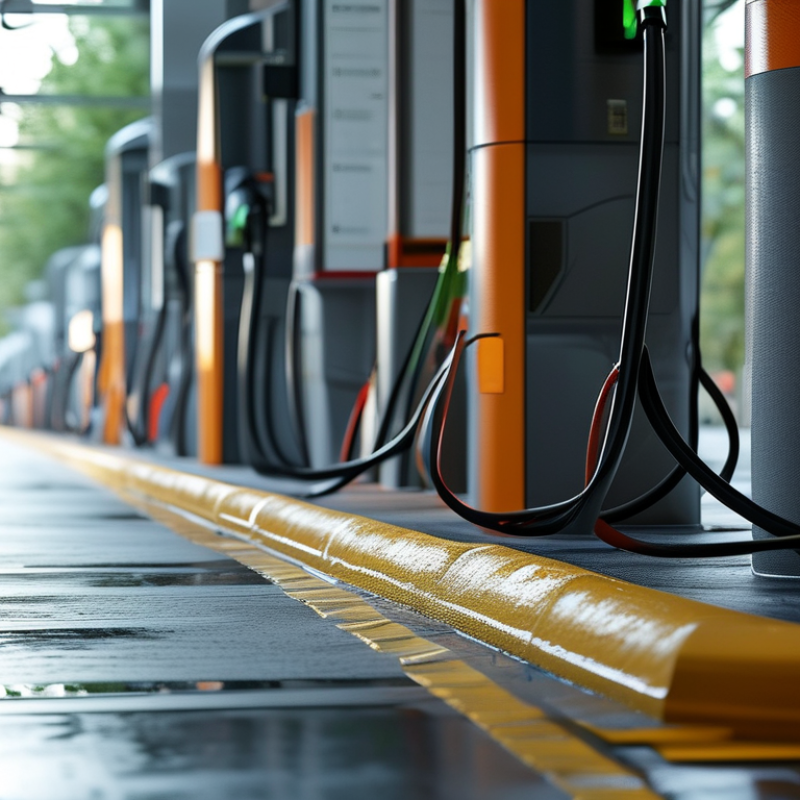
Smart EV charging networks play a pivotal role in the growing electric vehicle market. Understanding these systems is crucial for network operators, consumers, and policymakers alike. According to a report from the International Energy Agency, the number of electric vehicles on the road is expected to reach 145 million by 2030, intensifying the need for efficient charging infrastructures.
Smart charging networks optimize energy use. They enable vehicles to charge during off-peak hours, reducing stress on the grid. This not only saves costs but also supports sustainable energy practices. Research indicates that 70% of electric vehicle owners prefer charging at home, showing a demand for smart home integration. However, connectivity issues can disrupt this ideal, highlighting the importance of reliable infrastructure.
Tip: Regularly update charging software to improve performance. Additionally, consider using a timer for charging during cheaper electricity hours. Reflect on user experience: gaps in technology can frustrate both consumers and providers. The ongoing development of standards is essential in ensuring seamless experiences across different networks. As the market evolves, flexibility and adaptability will define the effectiveness of smart EV charging networks.
: A smart EV charging network optimizes energy use. It allows vehicles to charge during off-peak hours.
They reduce grid stress, save costs, and support sustainable energy practices. Efficient infrastructures are vital for growth.
They utilize off-peak energy rates. Users can save up to 40% on charging expenses. Such savings encourage EV adoption.
Major challenges include integrating various charging technologies and managing energy demand. Fragmented standards complicate deployment.
They reduce reliance on fossil fuels and promote renewable energy use. This can significantly lower carbon footprints during charging.
Smart chargers connected to the internet can be targets for cyberattacks. Protecting user data is essential for maintaining trust.
Regularly update charging software and use a timer for off-peak hours. Gaps in technology are frustrating; improvements are necessary.
Real-time data optimizes charging times based on grid demand. This enhances the overall user experience and efficiency of charging.
As the market grows, adaptability will define network effectiveness. Technology must evolve alongside user needs and grid demands.
Ongoing improvements in standards and technology are necessary. The focus will be on enhancing reliability and user accessibility.
A smart EV charging network refers to an advanced system that facilitates the efficient charging of electric vehicles (EVs) through the integration of technology and infrastructure. Understanding the basics of such networks involves recognizing key components like charging stations, communication networks, and energy management systems. These elements work together to optimize charging efficiency and manage energy resources effectively.
Smart charging technology operates by allowing real-time communication between EVs and charging stations, enabling features such as demand response and load balancing. The benefits of a smart EV charging network include reduced charging costs, enhanced grid stability, and improved user convenience. However, challenges like infrastructure costs and technology integration must be addressed to ensure successful implementation. Ultimately, developing a comprehensive understanding of what a smart EV charging network entails is crucial for advancing sustainable transportation solutions.

 Irvion Charger