The increasing adoption of electric vehicles (EVs) has created urgent demand for Universal EV Charging Stations. According to the International Energy Agency, the global number of publicly available chargers reached 1.3 million in 2022, reflecting a growth rate of over 90% compared to the previous year. This rapid expansion highlights the necessity for convenient and accessible charging infrastructures for EV users.
The 139th Canton Fair serves as a critical platform for showcasing innovations in EV charging technology. The event's focus on advanced manufacturing and electronics signals a push towards modern solutions. Suppliers with ISO and CE certifications are crucial, as they ensure quality and safety in charging stations. With AI-enhanced features in the fair, buyers can now identify and connect with relevant suppliers more efficiently.
Despite these advancements, challenges still exist. The integration of charging technology into urban landscapes presents logistical hurdles. Many existing charging stations are incompatible with various EV models. This reality raises questions about standardization and accessibility. Universal EV Charging Stations must evolve to accommodate diverse vehicles and provide a seamless user experience.
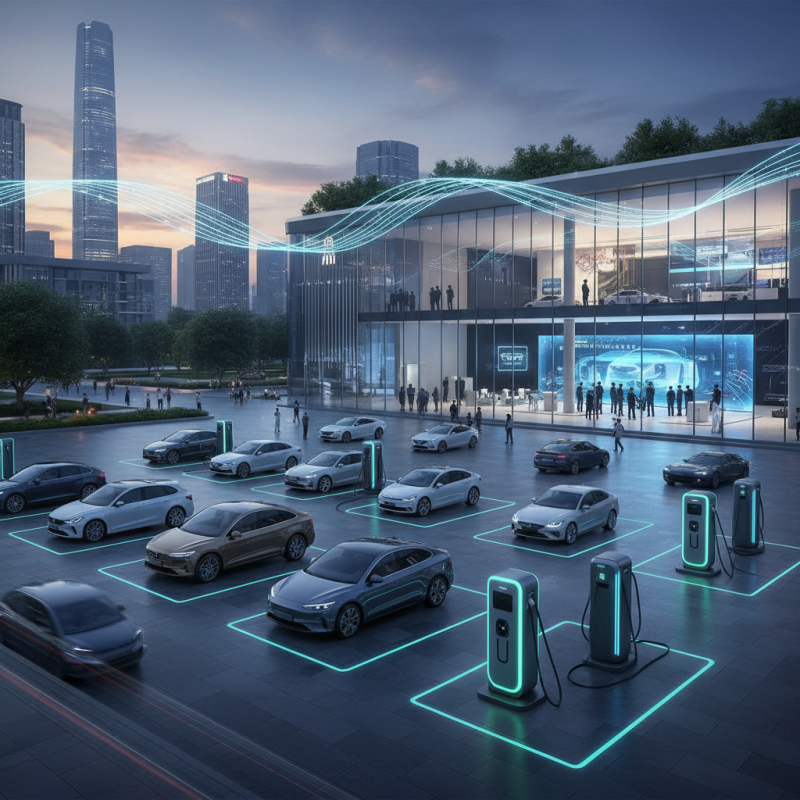
The 139th Canton Fair showcased various innovations in the electric vehicle (EV) charging sector. Many manufacturers displayed new universal EV charging stations. These stations aim to provide flexibility in charging different types of electric vehicles. The designs varied significantly, emphasizing user-friendly interfaces and rapid charging capabilities.
Some exhibitors highlighted the importance of compatibility across different brands. This aspect is crucial as it can enhance user experience. However, not all stations met the universal standards required for widespread adoption. Observing the fair, one could spot the potential challenges ahead. Some solutions appeared promising, but they also raised questions about implementation.
Certain stations featured app integrations for real-time monitoring. This innovation could lead to better user engagement. Still, there were concerns about security and data privacy. The conversations at the fair revealed both excitement and skepticism. Overall, the insights from the fair indicate a growing interest in universal EV charging solutions, but many hurdles remain to be addressed.
The rise of electric vehicles (EVs) is reshaping the automotive landscape. As demand grows, so does the need for efficient charging infrastructure. During the 139th Canton Fair, industry experts discussed emerging market trends related to EVs. They emphasized the importance of reliable and accessible charging stations.
Several interesting facts emerged from the discussions. The global push for sustainability influences consumer choices. Many seek eco-friendly alternatives. However, charging infrastructure varies significantly across regions. Some areas boast extensive networks, while others face challenges. There is a clear gap between demand and supply.
Innovative solutions were suggested to tackle these issues. Smart charging technologies are gaining attention. They optimize energy use and facilitate integration with renewable sources. However, these advancements aren't flawless. There are still concerns about scalability and standardization. Stakeholders must address these challenges to support the growing EV market effectively.
The 139th Canton Fair showcased exciting advancements in EV charging stations. Various innovations aimed at enhancing user experience and efficiency were on display. Technologies like fast charging and smart payment systems caught the attention of many visitors. These features promise to make EV ownership more appealing.
Tips for choosing an EV charging station include checking the charging speed. Faster charging saves time. Look for user-friendly interfaces as well. A clear display can make the process easier. Some stations even offer app integration. This can help locate the nearest charging point quickly.
It’s essential to consider compatibility too. Not all vehicles fit every charging station. Some models may require specific connectors. Not every station may provide these options. Users can sometimes feel frustrated when they arrive only to find an incompatible charger. Addressing these mismatches should be a priority for future advancements in the industry.
The deployment of electric vehicle (EV) charging stations is heavily influenced by government policies. Recent data points to significant initiatives aimed at expanding EV infrastructure. For instance, government funding boosted the number of charging stations by 40% in just two years. This surge is crucial in addressing the rising demand for electric vehicles, which saw a growth of 55% in sales globally last year.
However, not all policies have been effective. Inconsistent regulations across regions can create confusion. For example, a report from the International Energy Agency highlighted that some areas lack standardized requirements for charging station installations. This inconsistency can lead to delays in deployment and a potential slowdown in the EV market's growth.
Moreover, there's the challenge of balancing investment and accessibility. While subsidies for charging infrastructure exist, some projects fail to reach underserved urban areas. Data suggests that only 30% of charging stations are located in low-income regions, limiting access for many potential users. This gap presents a need for more targeted policies that ensure equitable distribution of resources.
The growth of universal charging standards for electric vehicles has become a hot topic in 2023. Insights from recent data reveal a significant shift in consumer preferences. Eco-conscious consumers prefer systems that allow seamless charging across different models. This trend points to a need for interoperability in charging solutions.
At the 139th Canton Fair, numerous exhibitors showcased innovative charging technologies. Yet, many products still lacked standardization, raising concerns about compatibility. It’s essential for manufacturers to prioritize creating universal solutions. Enhanced collaboration could address this issue effectively. However, some businesses may resist change due to current investments in proprietary systems.
The analysis indicates that while there is progress, challenges remain. Some regions still use outdated infrastructure. Developing countries face a unique set of hurdles. A cohesive approach is vital for future growth. Stakeholders must engage in open dialogues. Only then can they achieve a universally acceptable standard for charging stations.
| Country | Number of Charging Stations | Standard Type | Growth Rate (2022-2023) | Market Share (%) |
|---|---|---|---|---|
| United States | 200,000 | CCS | 15% | 35% |
| China | 1,500,000 | GB/T | 20% | 70% |
| Germany | 75,000 | CCS | 10% | 5% |
| France | 50,000 | Type 2 | 12% | 3% |
| United Kingdom | 30,000 | Type 2 | 14% | 2% |
: There is a growing demand for sustainable options and efficient charging infrastructure.
Some regions have extensive networks, while others face significant challenges in accessibility.
These technologies optimize energy use and integrate renewable sources but have scalability issues.
Check the charging speed and look for user-friendly interfaces for easier usage.
Not all vehicles fit every charger, which can lead to frustration for users if mismatched.
There is a significant shift towards interoperability, but many products still lack standardization.
They often deal with outdated systems and require tailored solutions to meet their needs.
By engaging in open dialogues and collaborating on creating universal solutions.
They drive the demand for seamless charging solutions across different vehicle models.
They can hinder the development of universally acceptable charging standards and limit consumer options.
The 139th Canton Fair showcased significant insights into Universal EV Charging Stations, reflecting the rapid evolution of the electric vehicle market and its supporting infrastructure. Key trends highlighted the increasing demand for efficient and accessible charging solutions, driven by the growing adoption of electric vehicles. Innovations in charging technology were prominently featured, pointing towards advancements that promise faster charging times and greater compatibility across different vehicle models.
Moreover, the impact of government policies emerged as a crucial factor in the deployment of EV charging stations. Supportive regulations and incentives are fostering a robust environment for infrastructure development. Data analysis from 2023 indicates a notable growth in universal charging standards, paving the way for a more integrated and user-friendly EV ecosystem. Overall, the Canton Fair underscored the importance of Universal EV Charging Stations as a cornerstone for promoting sustainable transportation.

Irvion Charger