What is Vehicle to Grid V2G Technology and Its Benefits?

Time:2026-05-16 Author:Isabella
0%

What is vehicle-to-grid (V2G) technology? This innovative approach allows electric vehicles to interact with the power grid. Experts like Dr. Emily Chang, a leading authority in energy systems, emphasize its potential. She states, “V2G technology transforms vehicles into mobile energy resources.”

The concept of V2G centers on the bidirectional flow of energy. Electric vehicles (EVs) can feed energy back into the grid. This process can help balance energy supply and demand. It can also support renewable energy integration. As we increase renewable sources, the need for flexibility grows.

However, challenges remain. The infrastructure is not fully developed. Users may feel uncertain about battery life. These concerns warrant thoughtful consideration. As V2G technology evolves, it promises exciting opportunities for energy management. Balancing benefits and drawbacks will be essential for future success.
What is Vehicle to Grid V2G Technology and Its Benefits?

What is Vehicle to Grid (V2G) Technology?

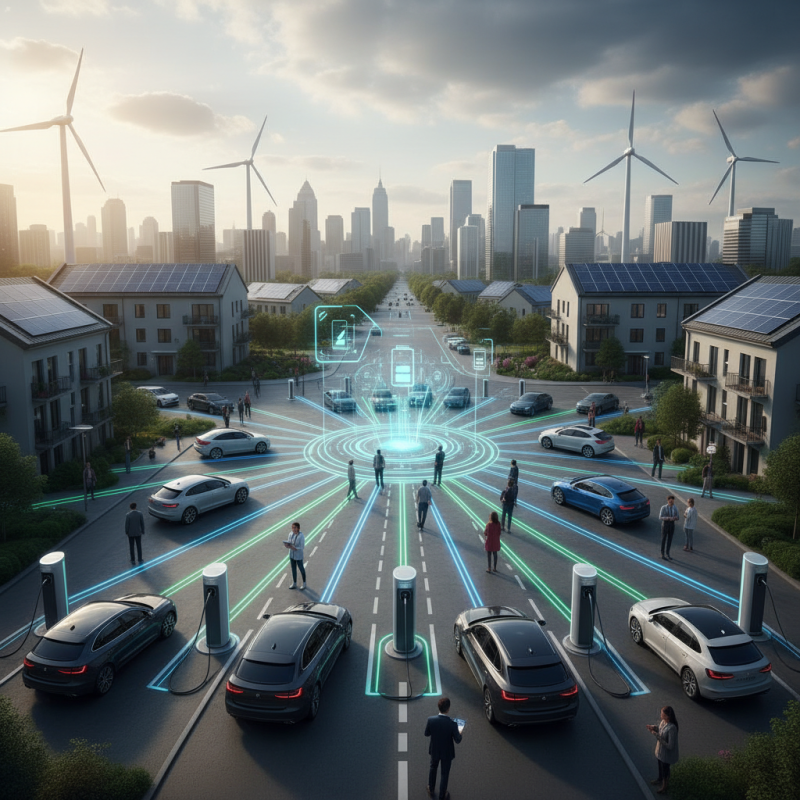
Vehicle to Grid (V2G) technology is an innovative system that connects electric vehicles (EVs) to the power grid. It allows EVs to discharge electricity back to the grid when needed. This technology harnesses the stored energy in EV batteries, turning them into a resource for the energy grid.

V2G technology can balance supply and demand. During peak hours, EVs can help meet the increased energy needs. This reduces the dependency on fossil fuels and enhances power stability. Moreover, V2G systems provide financial incentives for EV owners. They can earn money by selling excess energy to the grid. However, there are challenges. Not all EV batteries can support this technology yet. Furthermore, regulations around V2G are still evolving.

The potential benefits are clear, but the implementation is complex. Homeowners and businesses must invest in compatible charging systems. The public’s understanding of V2G is still limited. This can slow down adoption. More educational efforts are needed to build trust in V2G technology. As it grows, V2G could play a crucial role in sustainable energy futures.

How V2G Technology Works: The Basics Explained

Vehicle to Grid (V2G) technology is reshaping how we view electric vehicles (EVs). At its core, this technology enables EVs to communicate with the power grid. Simply put, your car can send energy back to the grid when needed. This process helps balance energy supply and demand, especially during peak times.

How does V2G work? The concept relies on bidirectional charging. When you plug in your car, it can either draw power to charge or feed energy back into the grid. This process necessitates sophisticated systems to manage the flow of energy efficiently. It makes use of advanced software and real-time monitoring to ensure that both EV owners and grid operators benefit.

Tip: Consider the timing of your vehicle's usage. Charging at night may be cheaper, but selling energy back during peak hours can be more profitable.

The benefits extend beyond just personal savings. V2G contributes to renewable energy integration. By using EVs as mobile power sources, we can store excess energy from solar or wind. However, not all EV models support V2G. Research is key before investing in this technology.

Tip: Stay informed about your local grid requirements and regulations. These can affect your V2G experience and potential savings.

Key Benefits of V2G Technology for Electric Vehicle Owners

Vehicle to Grid (V2G) technology is transforming the way electric vehicle (EV) owners interact with the power grid. One major benefit is energy management. EV owners can sell surplus energy stored in their vehicle batteries back to the grid. This creates a new revenue stream, especially during peak demand times when energy prices are higher. Such interactions can improve the overall efficiency of the electrical system.

Adopting V2G technology can lead to grid stability. As more renewable energy sources enter the market, the grid faces fluctuations. EVs can act as a buffer, providing energy when supply is low. This dynamic helps maintain a balanced grid, enhancing reliability for all users. Moreover, many EV owners may not fully realize the potential savings on their energy bills. Monitoring usage and market conditions is crucial for maximizing benefits.

However, challenges remain. Not all EVs currently support V2G, limiting its widespread adoption. Owners must consider charging infrastructure and potential wear on their vehicle batteries. It is essential to weigh both the benefits and drawbacks. Engaging with local energy providers can also help ensure that V2G technology suits individual needs and circumstances better.

What is Vehicle to Grid V2G Technology and Its Benefits? - Key Benefits of V2G Technology for Electric Vehicle Owners

Benefit Description Impact on EV Owners
Energy Savings Allows EV owners to sell excess energy back to the grid. Reduces energy costs and generates income.
Grid Stability Helps balance supply and demand on the electric grid. Contributes to a reliable electrical infrastructure.
Environmental Benefits Supports the integration of renewable energy sources. Reduces carbon footprint and promotes sustainability.
Vehicle Longevity Encourages regular battery management through cycling. Can enhance battery lifespan and performance.
Incentives and Rewards Participation in V2G programs may offer financial incentives. Provides additional revenue streams for EV owners.

Environmental Impact: V2G and Renewable Energy Integration

Vehicle to Grid (V2G) technology plays a crucial role in renewable energy integration. It allows electric vehicles (EVs) to send energy back to the power grid. This bidirectional flow can stabilize grids during peak times. However, the environmental impact can vary based on how the electricity is generated.

Using V2G reduces reliance on fossil fuels. When EVs are charged during off-peak hours, there’s potential to use more renewable energy sources. These vehicles can store excess solar or wind energy and release it when needed. Yet, the efficiency of this process depends on existing infrastructure. Many grids are not fully equipped to manage this energy flow effectively.

While the promise of V2G is significant, challenges remain. The technology requires widespread adoption of EVs and proper regulations. Concerns about battery degradation also arise. Frequent cycling of batteries may shorten their lifespan. This raises questions about the long-term sustainability of V2G technology in enhancing grid reliability while balancing environmental goals. The potential benefits must be carefully weighed against these drawbacks.

Challenges and Future Prospects of V2G Implementation

The potential of Vehicle to Grid (V2G) technology is immense, yet its implementation faces significant challenges. One major hurdle is the lack of standardized systems across different regions. Each grid may have varying requirements and protocols, complicating integration. Charging stations often lack the advanced infrastructure needed to support two-way energy flow.


Regulatory frameworks also pose difficulties. Policymakers must develop clear guidelines that ensure fair compensation for energy supplied back to the grid. Without attractive incentives, vehicle owners may hesitate to participate. Communication between stakeholders—such as EV manufacturers, utility companies, and consumers—requires improvement to foster collaboration.


Public awareness about V2G benefits remains low. Many people are unaware of how their electric vehicles can contribute to grid stability. Educational campaigns and outreach programs could bridge this gap. As technology evolves, ongoing research is vital. This will help address these challenges, ensuring that V2G becomes a reliable solution for future energy needs.

FAQS

: What is V2G technology?

: V2G stands for Vehicle to Grid, allowing electric vehicles to send energy back to the power grid.

How does bidirectional charging work?

Bidirectional charging means your car can both draw energy to charge and feed energy back to the grid.

Can V2G help save money?

Yes, you can sell surplus energy back during peak times, creating a potential revenue stream.

What are the advantages of using V2G?

V2G improves energy management, grid stability, and supports renewable energy sources, enhancing overall efficiency.

What challenges does V2G face?

Challenges include inconsistent systems across regions, outdated charging stations, and regulatory issues affecting participation.

Are all electric vehicles compatible with V2G?

No, not all EV models support V2G; it's important to research before investing in this technology.

How important is public awareness about V2G?

Awareness is low; many people don’t know how EVs can stabilize the grid, highlighting a need for educational efforts.

Why should I monitor usage and market conditions?

Monitoring helps maximize benefits and savings by optimizing when to charge or sell energy back.

What should I consider before adopting V2G?

Weigh potential savings against battery wear and infrastructure needs before deciding on V2G participation.

How can I engage with local energy providers about V2G?

Communicating with energy providers ensures that V2G technology aligns with your needs and local regulations.

Conclusion

Vehicle-to-grid (V2G) technology refers to a system that enables electric vehicles (EVs) to communicate with the power grid and manage electricity flow bidirectionally. This innovative approach allows EV owners to not only charge their vehicles but also return excess stored energy back to the grid during peak demand periods. The basics of V2G technology involve the synchronization of EV batteries with grid demands, optimizing energy distribution and helping to stabilize the grid.

Key benefits of V2G technology include financial incentives for EV owners, who can sell back electricity during high-demand times, and enhanced reliability for the grid, particularly with the increase of renewable energy sources. Additionally, V2G promotes a sustainable energy ecosystem by facilitating the integration of renewables, reducing carbon emissions, and harnessing the potential of parked EVs as mobile energy storage solutions. However, challenges such as infrastructure development and regulatory frameworks must be addressed to fully realize the potential of V2G technology in the future.

Isabella

Isabella

Isabella is a dedicated marketing professional with a sharp focus on driving brand growth and engagement through strategic content creation. With an extensive background in digital marketing, she combines her passion for storytelling with her keen understanding of industry trends to deliver......