Electric vehicles (EVs) are changing how we travel. As more people embrace electric mobility, the need for reliable charging solutions becomes crucial. One promising option is the Highway Service Area Charger. These chargers facilitate long-distance travel by providing convenient charging locations along major highways.
Imagine driving for hours, with the open road ahead. Suddenly, your EV needs a charge. Highway Service Area Chargers are strategically placed to ease such worries. They offer quick charging solutions where you can take a break and recharge both your vehicle and yourself. However, the availability of these chargers can be inconsistent. Not every highway service area has the same level of infrastructure.
The convenience of Highway Service Area Chargers should not overshadow the challenges. Users may find varying charging speeds and accessibility. Some locations may be overcrowded, while others might lack necessary amenities. Addressing these shortcomings can enhance the overall experience of EV travel. Choosing Highway Service Area Chargers requires thoughtful consideration, but they offer the potential for a seamless journey.
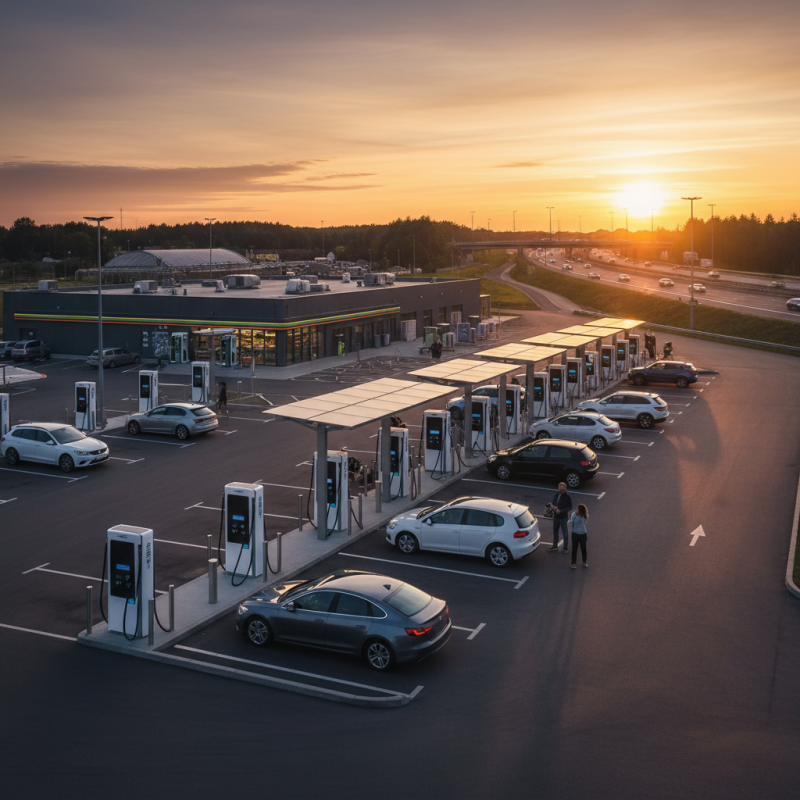
Charging your electric vehicle (EV) at highway service areas offers unique advantages. These locations are strategically placed along major routes, making them convenient for road trips. You can recharge while taking a break. It saves time and keeps your journey smooth. As you stretch your legs and grab a snack, your EV gains power.
Highway service area chargers often provide fast charging options. This means shorter wait times compared to home charging. While this is beneficial, it can sometimes lead to crowded stations. Lines may form during peak travel times. Thus, it's wise to plan your stops. Checking charging station availability on travel apps can help. This way, you avoid frustrations on the road.
Using highway chargers can also enhance the charging network. Increased visibility encourages more businesses to install EV chargers. This creates more options for drivers in the long run. However, some service areas may lack basic amenities. Limited restrooms or food choices can be a drawback. Being prepared for such situations can turn potential inconveniences into manageable experiences.
| Feature | Highway Service Area Chargers | Home Chargers |
|---|---|---|
| Charging Speed | Up to 350 kW | 3.7 - 22 kW |
| Typical Charging Time | 15-30 minutes | 4-8 hours |
| Location | Near highways and major routes | Residential areas |
| Convenience | Accessible during travel | Available at home |
| Payment Options | Mobile apps, credit cards | Home electricity bill |
| Cost | Typically higher per charge | Lower per charge |
| Ideal Use Case | Long-distance travel | Daily commuting |
: Check for fast chargers along your route. Quick access reduces waiting time significantly.
Check charger availability before traveling. If a station is busy, look for nearby alternatives.
Yes, some stations may have high fees. The quality of service can vary by location.
A fast charger can provide 80% charge in about 30 minutes. Efficiency matters for long trips.
Nearly 60% of EV owners worry about running out of charge on long journeys. This impacts travel plans.
More charging stations will emerge. Innovative solutions may provide faster charging options.
Use charging apps for real-time information. They help find stations with the best availability and pricing.
Some areas may be congested, especially during peak travel times. This makes planning essential for trips.
Solar panels could power chargers, reducing environmental impact. Accessibility remains a crucial consideration.
Yes, not every driver is near major routes. Investing in rural stations is vital for widespread access.
Highway Service Area Chargers are becoming an essential component for electric vehicle (EV) owners seeking convenience and efficiency during long-distance travel. These charging stations offer several benefits, including strategic locations that enhance accessibility and shorten wait times for drivers. By providing a reliable option for quick charging while on the road, Highway Service Area Chargers significantly improve the overall travel experience for EV users, reducing range anxiety and allowing for smoother journey planning.
In a comparative analysis of charging options, Highway Service Area Chargers stand out for their ease of use and widespread availability on major routes. As the charging infrastructure continues to evolve, future trends indicate an expansion and enhancement of these highway charging facilities, ensuring that electric vehicle owners can travel longer distances with confidence. This development not only supports the growing EV market but also promotes sustainable travel practices on highways.

 Irvion Charger