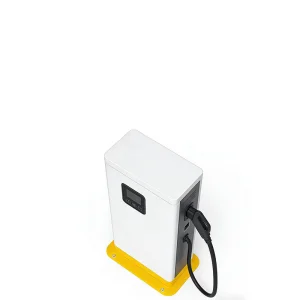
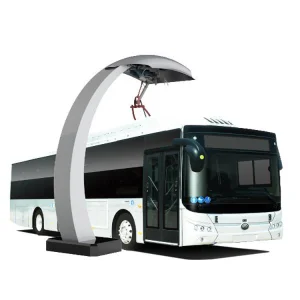
Engineered for extreme efficiency, reliability, and global grid compliance. Explore our top integrated smart charging systems.
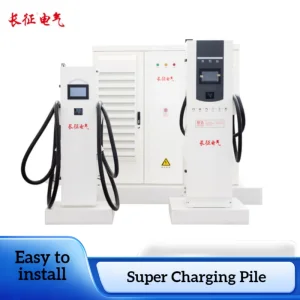
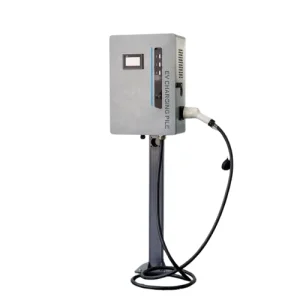
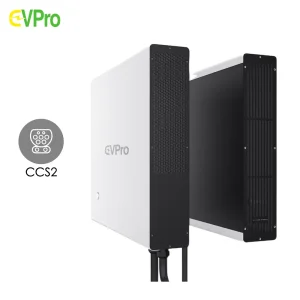
The global transition to sustainable mobility has moved far beyond individual electric vehicle charging units. Today, utility operators, large logistics hubs, remote operations, and heavy industrial parks face substantial grid congestion obstacles. The implementation of Microgrid Charging Stations—where power from localized renewable energy sources is paired directly with Battery Energy Storage Systems (BESS) and high-voltage DC distribution frameworks—has emerged as the paramount architectural solution.
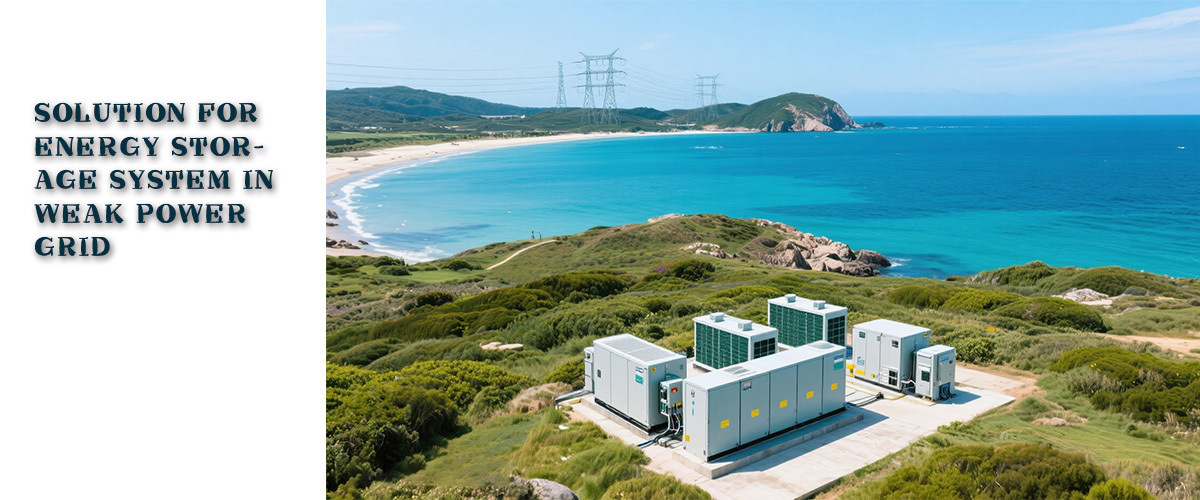
According to industrial engineering benchmarks, conventional utility connections struggle to deliver transient megawatt peaks requested by multiple EV trucks or buses simultaneously. By separating the primary utility connection from localized peaks via integrated lithium iron phosphate (LiFePO4) storage, charging facilities can bypass costly high-voltage substation upgrades. This integration provides a substantial reduction in Levelized Cost of Energy (LCOE) and mitigates peak load utility penalties.
Dramatically lower site operational expenses by shifting power intake from public utilities to localized battery reserves during high-tariff periods.
Utilize Bidirectional DC EV charging technology to transform your vehicle fleet into dynamic, revenue-generating power resources for the grid.
Integrate localized solar, wind, and storage to operate completely isolated from local utility outages, protecting vital transport infrastructure.
Purchasing professional EV charging hardware directly from top-tier Chinese manufacturers yields clear structural benefits for global infrastructure contractors, commercial buyers, and governmental agencies. The primary driver is the unparalleled integration of supply chains across South China, notably in major technology hubs like Guangzhou and Shenzhen.
From lithium-cell refining to power distribution cabinets, Chinese manufacturers hold close partnerships with key component producers. This minimizes procurement delays, secures superior raw material pricing, and guarantees access to leading technological components, such as high-grade IGBT modules, active coolant loops, and smart energy software suites.
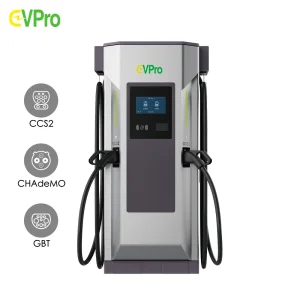
Unlike traditional manufacturers, Chinese engineering teams operate on highly agile iteration cycles. Custom software integrations, proprietary corporate enclosure branding, multi-standard configurations (such as CCS1, CCS2, NACS, and GBT), and tailored high-voltage setups can be adapted, built, and safety certified within weeks, rather than quarters.
Modern production facilities comply fully with demanding quality systems, including ISO 9001, ISO 14001, and ISO 45001. Leading products carry established certifications including CE, IEC 61851, IEC 62196, and IP-rated dust and water protection, ensuring seamless installation across Europe, Latin America, the Middle East, and Asia-Pacific.

To maximize financial returns and operational performance, engineering planners must align charging architectures to specific local site needs:
Guangzhou Irvion Charger Co., Ltd. is a leading provider of smart EV charging solutions, dedicated to advancing sustainable mobility through innovative and intelligent power management systems. Established with a vision to support the global transition to electric vehicles, Irvion Charger integrates cutting-edge technology, high-quality manufacturing, and customer-focused services to deliver reliable and efficient charging solutions for diverse applications.
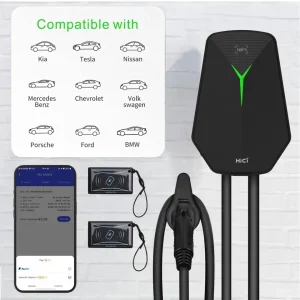
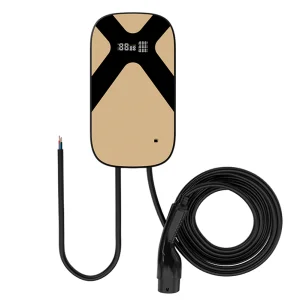
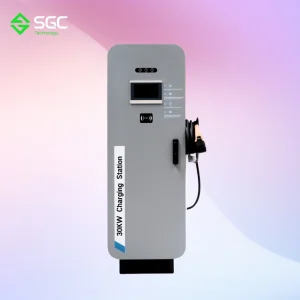
Our product portfolio includes home EV chargers, commercial charging stations, and fleet management systems, all designed to optimize energy usage, enhance safety, and provide seamless connectivity. With intelligent software platforms, users can monitor charging status, schedule sessions, and access real-time analytics to maximize efficiency and convenience.
Committed to sustainability and innovation, Guangzhou Irvion Charger Co., Ltd. continuously invests in R&D to develop next-generation charging infrastructure, supporting both residential and commercial clients in achieving their electrification goals. Our solutions comply with international safety standards and are tailored to meet the evolving demands of the rapidly growing EV market.
By combining smart technology, robust engineering, and exceptional customer support, Irvion Charger empowers individuals, businesses, and municipalities to embrace electric mobility confidently, contributing to a cleaner, greener future worldwide.
When selecting a manufacturer and supplier for microgrid charging systems, engineering procurement managers must focus on key parameters to avoid deployment delays and ensure longevity. This section details the critical metrics and standards required for a successful procurement cycle.
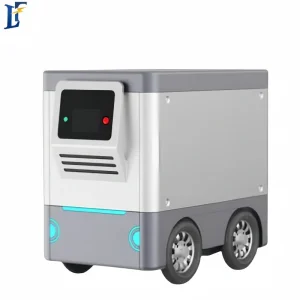
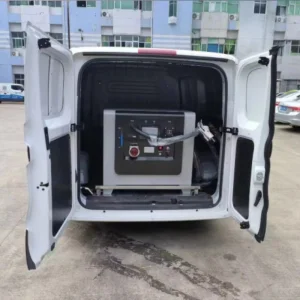
For systems that utilize built-in storage (such as the portable robot chargers and containerized mobile stations), Lithium Iron Phosphate (LiFePO4) is the industry standard. LiFePO4 cells offer superior thermal stability, safety, and cycle life (typically over 6000 cycles at 80% Depth of Discharge) compared to Nickel Manganese Cobalt (NMC) alternatives.
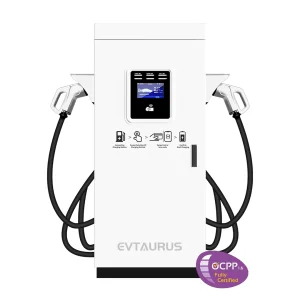
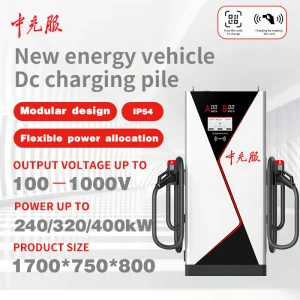
High-power charging cabinets generate significant heat. Air cooling is suitable for environments with moderate temperatures and lower power demands. However, for ultra-fast charging setups (320kW to 480kW and above), liquid cooling systems are recommended. Liquid cooling maintains optimal temperatures, extends the lifetime of power modules, reduces audible noise, and keeps the cabinet sealed against dust, salt air, and water ingress.
Ensure the hardware supports the Open Charge Point Protocol (OCPP) 1.6J or 2.0.1. This is vital for integrating with third-party software, payment gateways, and municipal grid operations. Additionally, the system must support dynamic load balancing to distribute power across multiple dispensers based on the vehicles' state of charge (SoC) and local energy limits.
Technical and strategic insights regarding procurement, installation, and optimization of microgrid charging setups.
Discover our heavy-duty public charging solutions, highway network dispensers, and high-capacity transit depot architectures.
 Irvion Charger