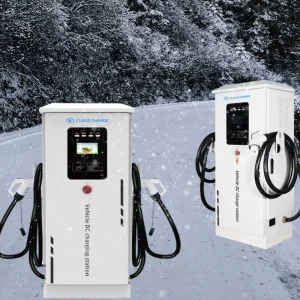
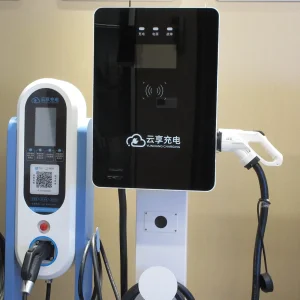
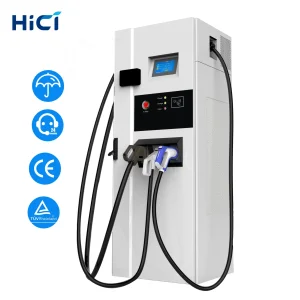
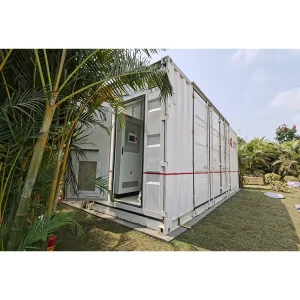
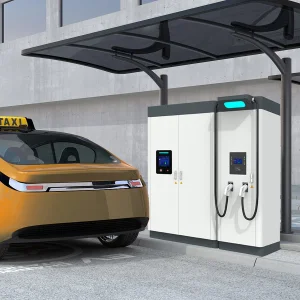
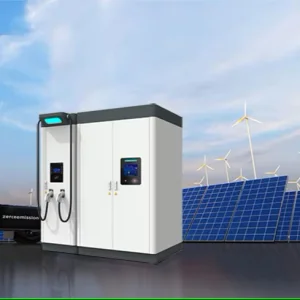
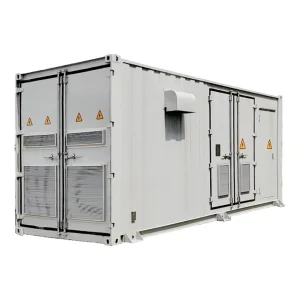
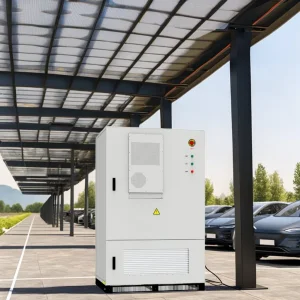
Highly adaptable, storm-proofed, and microgrid-compatible fast-charging hardware built to operate reliably under variable island grid constraints.
The Democratic Republic of São Tomé and Príncipe, an archipelagic nation located off the Gulf of Guinea, is embarking on a profound socio-economic and environmental transformation. Historically reliant on imported diesel to fuel its thermal generation assets, the country is exposed to international price volatility and significant logistics challenges. Through its updated Nationally Determined Contributions (NDCs) and ambitious sustainable development goals, the nation is actively working to incorporate utility-scale solar photovoltaics (PV), run-of-river hydro projects, and decentralized microgrids.
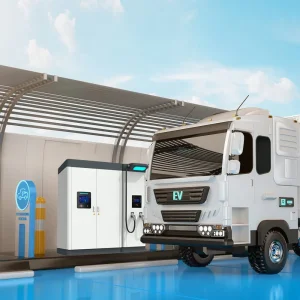
The integration of electric mobility (e-mobility) acts as a powerful catalyst in this energy transition strategy. By substituting internal combustion engine vehicles (ICEVs) with electric cars, utility fleets, and commercial delivery vehicles, São Tomé and Príncipe can reduce its foreign exchange outflow for liquid petroleum fuels. However, implementing an EV charging network on an island grid operated by EMAE (Empresa de Água e Electricidade) requires specialized engineering architectures. Island grids are prone to short-circuit vulnerabilities, voltage sags, frequency deviations, and high load fluctuations.
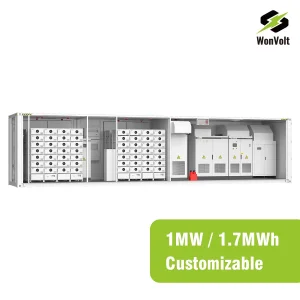
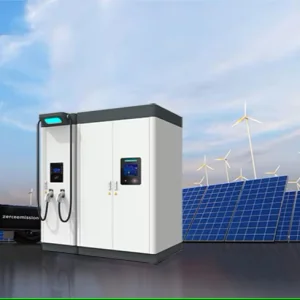
As a specialized EV charging station manufacturer and supplier, Guangzhou Irvion Charger Co., Ltd. addresses these exact structural engineering hurdles. By delivering charging stations bundled with integrated Battery Energy Storage Systems (BESS) and smart power management software, we enable grid-friendly, localized charging structures. This approach shields the local electrical system from high-demand peak load issues and ensures stable, solar-powered mobility.
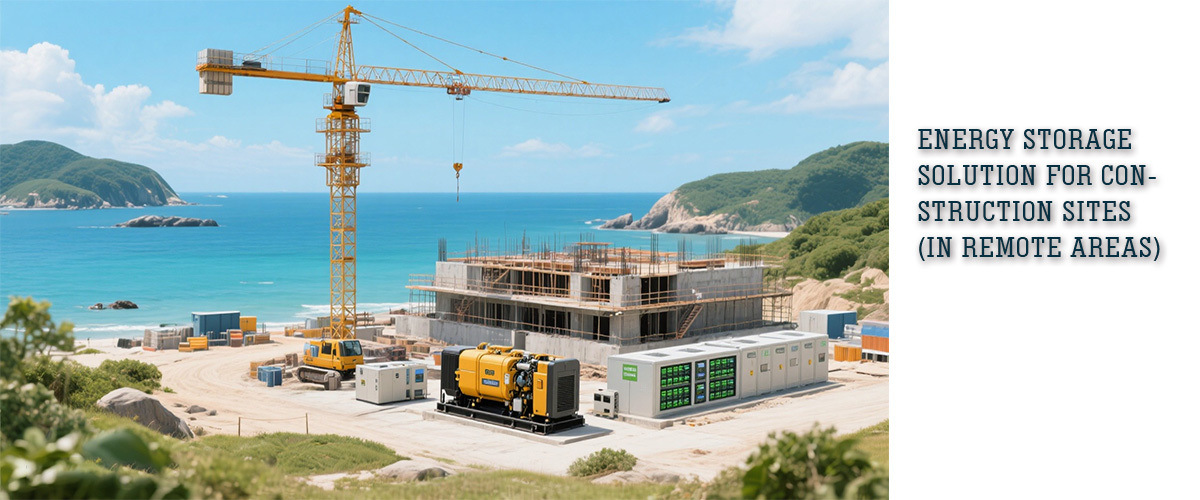
Standard grid designs cannot be easily copied onto isolated grid layouts. For the São Tomé and Príncipe market, our technical department utilizes three core infrastructure approaches designed to work under variable grid conditions:
Why Guangzhou Irvion Charger Co., Ltd. is the trusted engineering partner for energy transition developers across West Africa.
Built-in smart load management, peak shaving algorithms, and clean power filters protect isolated island electrical networks from utility imbalances.
Full compatibility with OCPP 1.6J and OCPP 2.0.1 protocols allows local operators to remotely monitor, bill, and update charging points in real time.
Industrial-grade, anti-salt-mist construction keeps internal electronics clean and dry in humid tropical coastal zones.
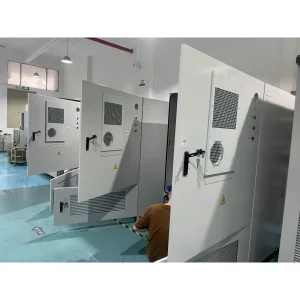
Achieving technical reliability requires high standards of quality assurance at the manufacturing level. Guangzhou Irvion Charger Co., Ltd. operates a modern Industry 4.0 production facility designed to deliver high levels of quality, efficiency, and engineering precision.
By using automated manufacturing systems, robotic assembly arms, and precise CNC machining, we eliminate variations in enclosure construction and weld seals. Every single charging sub-assembly undergoes automated end-of-line testing (ATE), which simulates environmental stress, thermal load testing, and high-voltage situations.
Our location in Guangzhou, China, places us at the heart of the global electronics supply chain. This strategic proximity gives us direct access to high-grade industrial parts, advanced semiconductor components, and Tier-1 LFP lithium battery cells.
For clients in São Tomé and Príncipe, this integrated supply chain model translates into shorter delivery schedules, consistent parts availability, and competitive pricing. We handle the entire engineering, sourcing, and logistics pipeline—saving you the headache of managing multiple international suppliers.
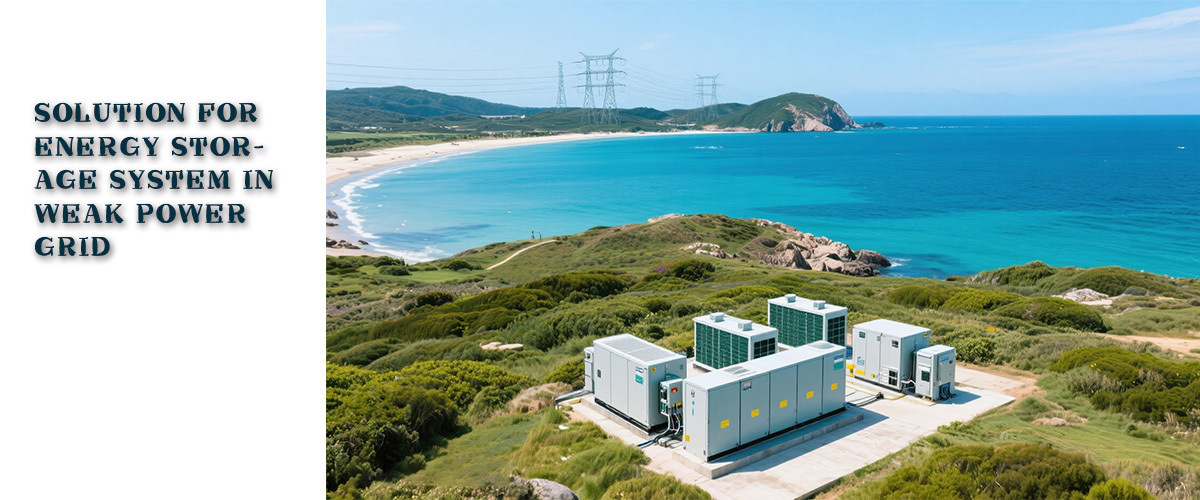
Deploying high-power systems in the Gulf of Guinea region requires strict compliance with international electric vehicle safety standards:
Highly adaptable charging infrastructure, solar hybrid units, and robust lithium-battery backup solutions for local operations.
Answers to key engineering, integration, and import questions for local partners in São Tomé and Príncipe.
Our chargers include protective monitoring circuits that handle input voltage fluctuations within a ±20% range. If a voltage sag or surge exceeds safe thresholds, the system safely pauses power delivery to protect the vehicle and the internal rectifier modules, resuming automatically once grid conditions return to normal.
Yes, our off-grid solar-storage charging systems are built specifically for isolated microgrids, eco-resorts, and remote agricultural projects. By using intelligent solar tracking, high-grade LFP battery storage, and bi-directional inverters, the system can run independently without depending on the EMAE municipal grid.
We apply double-powder-coated, corrosion-resistant steel or reinforced composite structures rated to IP54/IP55. Inside, we apply conformal coating protection to all PCBs, include built-in heating elements to prevent condensation, and use salt-spray resistant air filters to shield key electronics.
Yes. We provide complete electrical schematics, foundation blueprints, and remote video commissioning support. We also provide modular spare parts kits containing replacement power controllers, charging cables, contactors, and display modules to ensure long-term uptime.
Our chargers support standard OCPP 1.6J and OCPP 2.0.1 protocols. This allows you to integrate them with international or local payment systems, mobile apps, and fleet management platforms via Ethernet, Wi-Fi, or 4G LTE connections.
Collaborate directly with our engineering team to design custom solar-charging systems, high-capacity battery storage, or robust commercial DC fast chargers tailored for the West African market.
Send Inquiry Now Irvion Charger