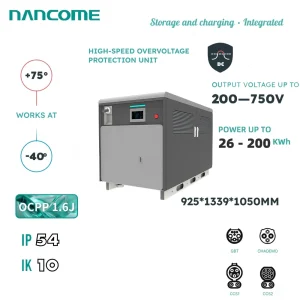
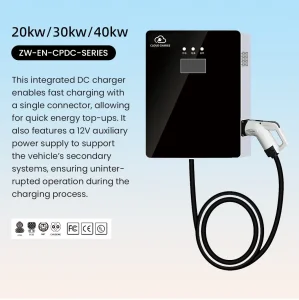
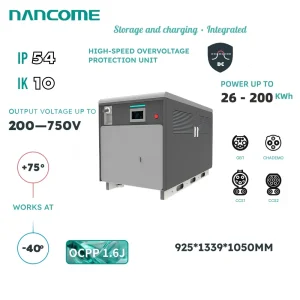
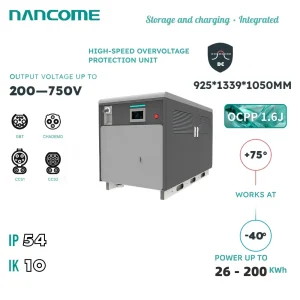
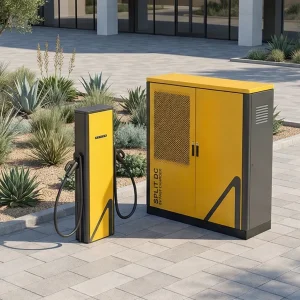
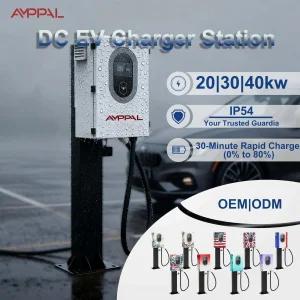
Engineered to withstand the specific humidity and salinity of Lima's coastal climate while providing dynamic energy management interfaces for local logistics depots.
Metropolitan Lima, containing the critical constitutional province of Callao, stands as the economic core of Peru. Accounting for over 45% of the national GDP, the region is characterized by intensive logistics corridors, heavy cargo ports, and expansive urban passenger transport networks. The Port of Callao, serving as the primary maritime gateway for the west coast of South America, interfaces directly with the central highway (Carretera Central) and the Pan-American Highway (Panamericana Norte and Sur). This positioning demands robust, high-performance logistics fleets operating 24/7 under challenging urban congestion and coastal atmospheric conditions.
The municipal authority of Lima (MML) has introduced clean-air initiatives aimed at decarbonizing the city center. Key public transport arteries, including *El Metropolitano* and the *Corredores Complementarios*, represent primary targets for large-scale electric bus deployment. Meanwhile, private last-mile logistics providers, major mining corporations headquartered in Lima with central transport hubs, and multi-tenant industrial parks in Lurín and Huachipa are transitioning rapidly toward electric vehicles (EVs) to meet global ESG metrics and control localized operational costs.
Lima's unique microclimate, characterized by permanent high humidity (often exceeding 90%) and high saline concentrations due to its proximity to the Pacific Ocean, poses severe corrosion risks to power electronics. Standard charging systems designed for inland applications face early component failures, electrical leakage, and mechanical degradation in Lima's atmospheric conditions. For heavy-duty fleet depots near the Callao port area, the deployment of EV infrastructure requires specialized ingress protection (minimum IP54, preferably IP65 for outdoor modules), anticorrosive coatings (C5-M class standards), and advanced thermal management to prevent moisture condensation within the power distribution cabinets.
"Electrifying logistics in Lima requires infrastructure that addresses the dual pressures of grid limitations in metropolitan distribution and the corrosive coastal air of the Callao industrial belt. General-purpose hardware is insufficient; industrial-grade resilience is mandatory."
The electrical network of Metropolitan Lima is managed primarily by two main distribution utilities: Enel Distribución Perú in the north and Luz del Sur in the south. Fleet operators must navigate localized substation capacity constraints. When deploying high-power charging depots (often requiring total loads between 500 kW to several Megawatts), direct connection to the medium voltage (MV) network at 10 kV or 22.9 kV is required. This transition necessitates localized step-down substations and advanced energy management systems.
Dynamic Load Balancing (DLB) and peak-shaving technologies are essential components of our fleet charging infrastructure. By utilizing OCPP 1.6J/2.0.1 integration, our chargers communicate in real-time with building energy management systems and grid operators. When regional grid demand peaks in the early evening, the system automatically redistributes the available power capacity across the connected vehicles based on their departure schedules. This prevents exceeding the contracted maximum demand limits set by local utilities, saving fleet owners thousands of dollars in demand charges annually.
Choosing the correct topology is critical for maintaining high asset utilization rates. Below is a structural comparison of charging technologies applied to Lima's commercial fleets:
| Charging Infrastructure Class | Power Output Range | Primary Application in Lima Market | Key Integration Consideration |
|---|---|---|---|
| Smart AC Chargers (Level 2) | 7kW to 22kW | Overnight depots for last-mile delivery vans and corporate passenger vehicles. | Requires localized distribution board integration with simple load sharing. |
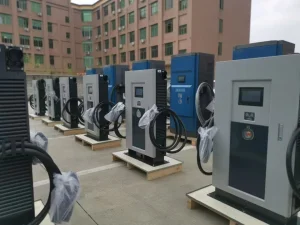
| Medium DC Fast Chargers | 40kW to 120kW | Intraday top-up charging for city taxis, light delivery trucks, and shuttle buses. | Requires dedicated low-voltage switchgear and active cooling filters. |
| Ultra-Fast DC Dispensers | 150kW to 360kW+ | Rapid turnaround at logistics hubs, heavy mining haulage corridors, and transit bus loops. | Requires direct medium-voltage connection (10kV/22.9kV) and liquid-cooled cables. |
| Megawatt Charging Systems (MCS) | 1MW+ | Heavy-duty class 8 shipping container haulage between Callao Port and dry ports. | Requires dedicated utility substation and battery energy storage integration. |
International corporate fleets operating in South America require standard compatibility, interoperability, and long-term serviceability. Key procurement requirements include compliance with international safety protocols (IEC 61851, CE, UL) and validation with leading global commercial EV models (including BYD, Maxus, Foton, Volvo, and Scania trucks). Furthermore, open APIs for remote diagnostics, automated billing integration, and predictive maintenance are standard expectations. Achieving TCO optimization requires minimizing downtime through modular hardware designs, where power modules can be hot-swapped in the field by local maintenance staff without decommissioning the entire station.
Our manufacturing base operates under Factory 4.0 guidelines, integrating automated PCB assembly, robotic soldering, automated optical inspection (AOI), and environmental chamber burn-in testing. This rigorous manufacturing process guarantees the high reliability of our charging systems under challenging operating conditions.
By securing direct supplier partnerships for key raw components—such as Infineon IGBT modules, premium quality contactors, and high-precision current sensors—we maintain a stable production timeline, insulated from localized supply chain disruptions. For customers in the Lima market, this means a reliable manufacturing schedule, rapid shipping turnarounds, and cost-efficiency that translates to a lower overall initial capital investment.
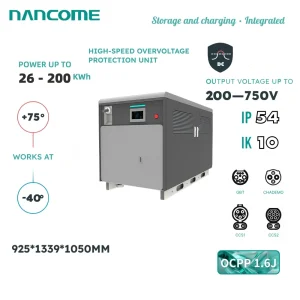
Our wide range of DC rapid chargers, containerized megawatt systems, and mobile emergency recovery chargers are engineered to support the transition to electric heavy transport across South America.
Guangzhou Irvion Charger Co., Ltd. is a leading provider of smart EV charging solutions, dedicated to advancing sustainable mobility through innovative and intelligent power management systems. Established with a vision to support the global transition to electric vehicles, Irvion Charger integrates cutting-edge technology, high-quality manufacturing, and customer-focused services to deliver reliable and efficient charging solutions for diverse applications.
Our product portfolio includes home EV chargers, commercial charging stations, and fleet management systems, all designed to optimize energy usage, enhance safety, and provide seamless connectivity. With intelligent software platforms, users can monitor charging status, schedule sessions, and access real-time analytics to maximize efficiency and convenience.
Committed to sustainability and innovation, Guangzhou Irvion Charger Co., Ltd. continuously invests in R&D to develop next-generation charging infrastructure, supporting both residential and commercial clients in achieving their electrification goals. Our solutions comply with international safety standards and are tailored to meet the evolving demands of the rapidly growing EV market.
By combining smart technology, robust engineering, and exceptional customer support, Irvion Charger empowers individuals, businesses, and municipalities to embrace electric mobility confidently, contributing to a cleaner, greener future worldwide.
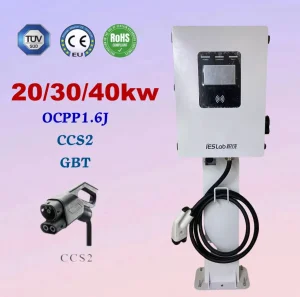
The rise of e-commerce in Peru has accelerated the growth of light commercial vehicle (LCV) fleets. Depots based in industrial hubs like Lurín and Huachipa run delivery schedules with average routes of 120-180 km per day. The key infrastructure requirement for these fleets is dynamic night charging. By installing modular, multi-standard 40kW DC fast chargers, fleet operators can charge four vehicles simultaneously per station overnight. This setup utilizes smart load profiles to take advantage of off-peak electric tariffs, reducing operational costs while ensuring all vehicles are ready for morning shifts.
Major Peruvian mining entities maintain administrative headquarters in San Isidro and Miraflores, operating private transport shuttles to ferry personnel between coastal offices and highland operations. These fleet vehicles require robust, high-performance rapid charging before starting long-haul journeys. The installation of multi-standard, high-power DC systems at corporate headquarters ensures rapid turnarounds, while the built-in advanced digital screen interfaces display company sustainability metrics and green energy compliance logs to employees and stakeholders.
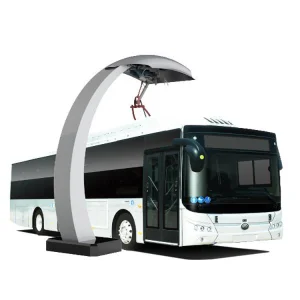
Electrifying public transit systems in Lima presents challenges due to high passenger volumes and long operating hours. Feeder lines operating on secondary roads require high-capacity, robust infrastructure. Our containerized high-power DC charging terminals, coupled with overhead pantograph systems, enable rapid opportunity charging (often within 8-12 minutes) at main terminals during passenger boarding. This rapid power injection keeps buses running throughout the day without the need for large, heavy battery packs, optimizing transit passenger capacity.
Key information regarding standards, power grid compliance, environmental resilience, and customs logistics for heavy-duty fleet installations in Peru.
Peru does not mandate a single connector standard, leading to a multi-standard fleet environment. In Metropolitan Lima, commercial passenger fleets and last-mile vehicles primarily use the CCS1 (North American Standard) or CCS2 (European Standard), while a large percentage of buses and vehicles imported from Asian manufacturers utilize the GB/T standard. Our chargers are engineered to be multi-standard, offering dual-connector CCS1/CCS2 and GB/T outputs with active auto-switching capability to support diverse vehicle fleets at a single station.
We apply high-grade anti-corrosion engineering specifically for coastal climates. This includes sealing the electronics in independent IP65-rated power modules, using C5-M marine-grade powder coatings on the outer cabinet steel, and integrating internal climate-control heating elements to prevent condensation. Furthermore, all internal circuit boards (PCBs) receive a thick, double-layered conformal coating to protect sensitive microelectronics from airborne humidity and salt deposits.
Yes. All our fleet charging systems communicate using the open standard OCPP 1.6J and OCPP 2.0.1 protocols. This enables seamless, direct integration with third-party fleet management tools, telematics platforms, and energy management software. Fleet operators can track state-of-charge (SoC), manage battery health, and orchestrate automated charging schedules through their existing enterprise software platforms.
Manufacturing typically takes between 4 to 6 weeks, depending on the volume of the order and the level of customization. Sea freight shipping from our manufacturing plant in Guangzhou to the Port of Callao generally averages 35 to 40 days. We provide comprehensive shipping documentation, including CE/IEC safety certifications, customs declaration forms, and bill of lading (B/L) clearances, working with local customs brokers to ensure a smooth import process in Peru.
Yes, but it requires appropriate design. Lima's primary distributors, Luz del Sur and Enel Distribución, can supply the necessary capacity, particularly in industrial zones. For chargers over 40kW, it is recommended to conduct a localized grid capacity audit. Our team supports local installers by providing grid integration diagnostics, power factor calculations, and step-by-step documentation required for municipal utility clearance.
Get in touch with our engineering team for customized charging designs, regional tender bids, and competitive manufacturer-direct pricing.
Send Inquiry Now Irvion Charger