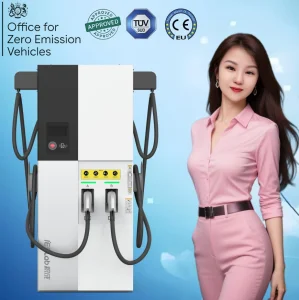
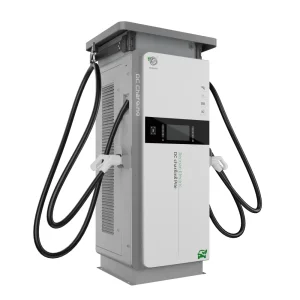
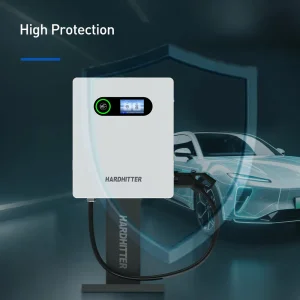
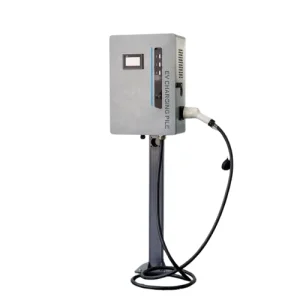
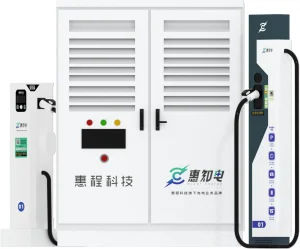
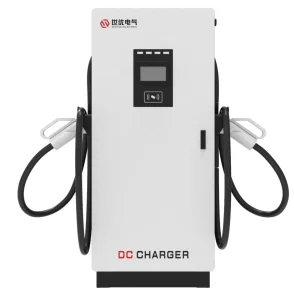
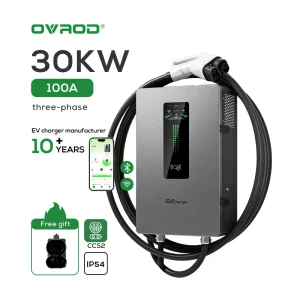
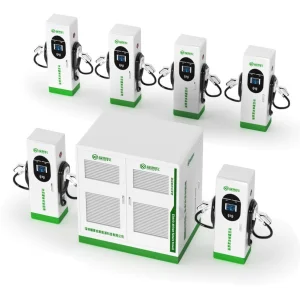
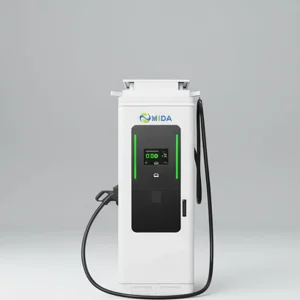
Selected high-capacity stations engineered to support heavy trans-national corridors from Windhoek to Walvis Bay.
As Southern Africa experiences rapid structural changes in transport logistics, Namibia stands out as a prime candidate for extensive electric vehicle infrastructure deployment. Bolstered by its massive solar energy resources and ambitious green hydrogen development plans under the Harambee Prosperity Plan, the government of Namibia is actively building the foundations for zero-emission transit networks.
However, the execution of public charging systems in this region presents distinct technical demands. The vast overland distances between Windhoek, Swakopmund, and the deepwater port of Walvis Bay require ultra-reliable Public EV Fast Charging Stations. These routes, characterized by long, remote stretches under harsh sun, rely on high-capacity DC chargers to minimize dwell time and ensure commercial fleets, public transit, and private commuters can move efficiently.
At Guangzhou Irvion Charger Co., Ltd., we analyze local grid capabilities and extreme heat conditions to deliver highly optimized chargers. Our CCS2 and GB/T compatible systems provide the dual-gun architecture and smart power sharing that municipal planners and logistical firms require across the Southern African Development Community (SADC) corridors.
Solar integration and thermal resilience are the keys to unlocking remote charging reliability across Namibia.
Equipped with internal air duct isolation and liquid cooling options, preventing dust intrusion and maintaining continuous power output in temperatures reaching 50°C.
Dynamic power allocation across dual output guns ensures optimal energy transfer without overloading remote municipal mini-grids or regional substations.
Seamlessly interface fast DC chargers with on-site solar photovoltaic arrays and Battery Energy Storage Systems (BESS) for complete off-grid autonomy.
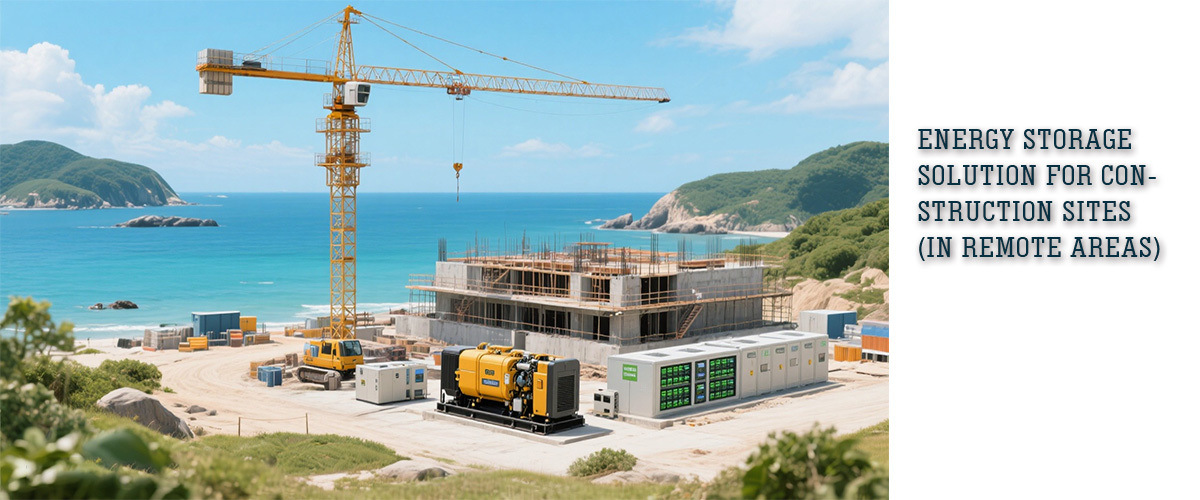
Guangzhou Irvion Charger Co., Ltd. is a leading provider of smart EV charging solutions, dedicated to advancing sustainable mobility through innovative and intelligent power management systems. Established with a vision to support the global transition to electric vehicles, Irvion Charger integrates cutting-edge technology, high-quality manufacturing, and customer-focused services to deliver reliable and efficient charging solutions for diverse applications.
Our product portfolio includes home EV chargers, commercial charging stations, and fleet management systems, all designed to optimize energy usage, enhance safety, and provide seamless connectivity. With intelligent software platforms, users can monitor charging status, schedule sessions, and access real-time analytics to maximize efficiency and convenience.
By leveraging advanced automated assembly lines in Guangzhou, we secure high component traceability and rigorous quality controls. This translates directly into highly resilient product architecture for export markets like Namibia, ensuring that components are optimized to resist voltage fluctuations, grid frequency drift, and high sand-dust exposure typical of Southern Africa.
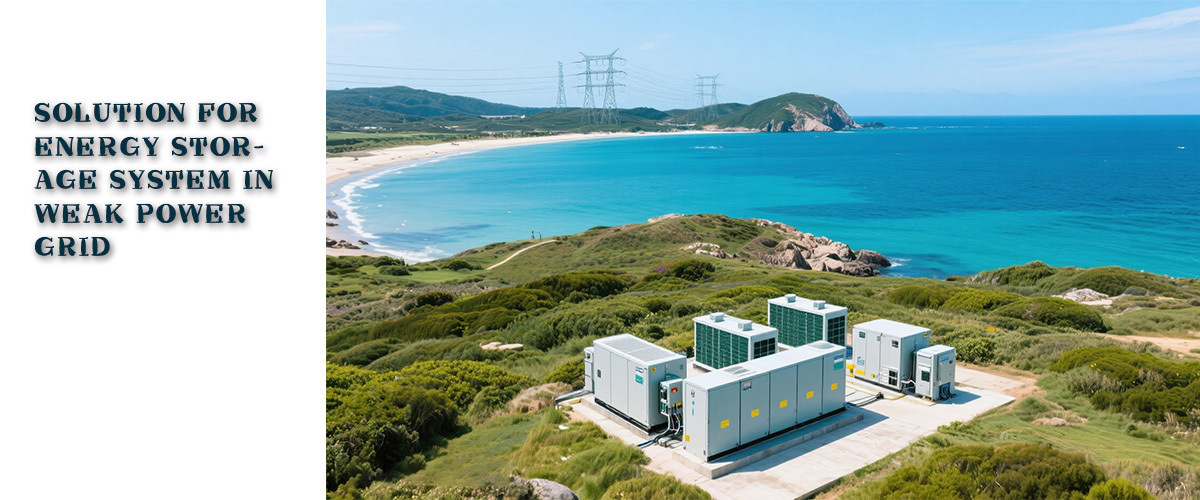
Committed to sustainability and innovation, Guangzhou Irvion Charger Co., Ltd. continuously invests in R&D to develop next-generation charging infrastructure, supporting both residential and commercial clients in achieving their electrification goals. Our solutions comply with international safety standards and are tailored to meet the evolving demands of the rapidly growing EV market.
By combining smart technology, robust engineering, and exceptional customer support, Irvion Charger empowers individuals, businesses, and municipalities to embrace electric mobility confidently, contributing to a cleaner, greener future worldwide.
For Namibia and SADC importers, our integration of TUV and CE certifications guarantees safety and interoperability across standard passenger vehicles, commercial buses, and mining transport fleets. Supported by global logistics networks, our supply chain ensures timely spare parts availability, minimal lead times, and comprehensive remote technical assistance.
Analyzing key high-impact environments ready for rapid commercial and industrial vehicle charging deployment.
Ecotourism operations in Sossusvlei, Etosha National Park, and Damaraland require quiet, emissions-free transport to preserve pristine natural ecosystems. Incorporating smart 30kW to 40kW DC chargers into on-site solar microgrids allows tourism operators to charge safari vehicles rapidly using 100% clean energy during midday sunshine hours.
Retail centers, business parks, and municipal public parking structures benefit from our 120kW to 240kW floor-mounted systems. These dual-gun chargers run OCPP 1.6J/2.0.1 firmware, enabling integration with local payment gateways, QR code processing, and dynamic tariff settings for property owners seeking stable passive income.
The Walvis Bay Corridor links landlocked Southern African nations directly to the Atlantic. Rapid transit electric trucks and utility delivery vans require heavy-duty high-speed charging. High-power output stations (320kW to 480kW) provide short-term topping-up capabilities, keeping critical logistical routes running around the clock.
As large scale mining companies transition mining utilities and crew vehicles to electric fleets, the reliability requirements double. Dust-sealed, rugged enclosures with dynamic smart monitoring ensure continuous service under abrasive desert sand conditions, minimizing site downtime.
Get a comprehensive customized quotation and engineering layouts optimized for local grid specs.
Engineered for high utility, industrial-grade reliability, and seamless compliance across Namibia and SADC countries.
In-depth responses resolving major queries related to grid matching, shipping, and installation in Namibia.
Namibia's automotive market features a mix of European vehicle imports and regional configurations. We highly recommend standardizing on the CCS2 (Combined Charging System Type 2), which is the most widely adopted plug type for both passenger cars and commercial utility electric vehicles in Sub-Saharan Africa. Our multi-plug systems also offer optional GB/T or CHAdeMO setups to ensure universal interoperability for diverse fleets.
Grid instability and dropouts are typical challenges in rural or long-haul corridors. Our chargers integrate extensive safety relays and power management circuits. They support broad input voltage ranges (typically 380V AC ± 15%) and include over-voltage, under-voltage, over-temperature, and short-circuit protection safeguards to shield vehicles and chargers from sudden grid spikes.
Yes. The high ambient solar insulation in Namibia makes PV-coupled EV charging highly effective. Our units support modern OCPP protocols, allowing them to interface with microgrid energy management systems, controlling power output dynamically depending on real-time solar generation and battery energy storage levels.
Our standard manufacturing and testing processes require 15 to 25 days depending on the volume and customization needs. Sea freight shipments transit directly from major Chinese hubs like Guangzhou or Shenzhen to the Port of Walvis Bay, taking approximately 30 to 45 days. Air freight is available for critical spare parts and urgent system modules.
Our public outdoor EV chargers feature IP54 or IP55 level ingress protection ratings. The cooling paths utilize isolated chamber designs to prevent direct abrasive desert sand and dust contact with critical power conversion modules, maintaining continuous cooling without exposing electronics to sand damage.
Partner with a trusted, certified manufacturer to build reliable infrastructure. Speak to our senior technical team to request detailed technical datasheets, CAD drawings, and compliance reviews.
Contact Our Engineering Team Irvion Charger