High-performance inductive resonant configurations optimized for domestic vehicle setups, two-wheeler micro-mobility networks, and active magnetic alignment frameworks.
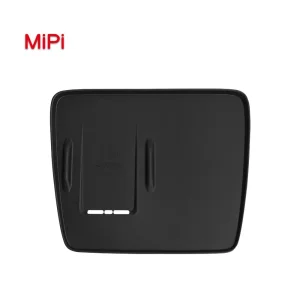
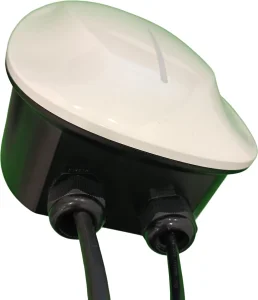
As the southernmost Caribbean nation, Trinidad and Tobago (T&T) holds a unique economic position. Historically characterized by a robust petrochemical-driven industrial core, the dual-island republic is aggressively executing strategic diversification. In alignment with its commitments under the Paris Agreement and the national framework for carbon reduction, the government has instituted zero-rated customs duty, motor vehicle tax, and value-added tax (VAT) exemptions on battery electric vehicles (BEVs) with an engine size not exceeding 159kW.
This statutory impetus has accelerated EV adoption across metropolitan areas like Port of Spain, San Fernando, and Chaguanas. However, the next phase of decarbonization relies on infrastructure optimization. Inductive, wireless EV charging pads represent the technological benchmark required to address regional space constraints, coastal environmental challenges (saline corrosion), and fleet utilization efficiencies. By removing physical cable plug-ins, wireless charging systems reduce infrastructure wear and tear, solve grid-to-vehicle physical interfaces, and support smart city connectivity in high-density commercial hubs.
Evaluate Local Integration Options
Understanding the transition from conductive plug-in stations to automated resonant electromagnetic charging.
Unlike simple inductive charging, magnetic resonant coupling allows highly efficient energy transfer over larger air gaps (up to 200mm) and accepts moderate vertical and horizontal vehicle misalignments without requiring high physical positioning precision.
Global systems adhere strictly to SAE J2954 standards, establishing criteria for safety, interoperability, and bidirectional communications between the ground assembly (GA) coil pad and the vehicle assembly (VA) receiver plate.
Commercial fleets adopting wireless charging pads experience a significant reduction in maintenance costs. Eliminating heavy cables, mechanical connectors, and physical sockets avoids common breakdown factors in heavy commercial duties.
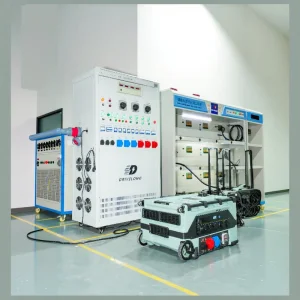
Guangzhou Irvion Charger Co., Ltd. leads in smart EV charging solutions. Through significant R&D investments, the company has integrated specialized SMT production lines, high-frequency coil winding machinery, and high-pressure resin casting encapsulation systems. This ensures the structural integrity of every wireless ground pad under heavy wheel loads and extreme heat.
By leveraging China's dense industrial electronics supply chain, Guangzhou Irvion delivers significant cost advantages. This efficiency is combined with rigorous testing protocols, including environmental simulation tests, high-humidity salt spray analysis, and electromagnetic compatibility (EMC) compliance validation. The result is a robust hardware platform capable of reliable performance in Caribbean coastal environments.
Strategic deployments targeted at specific environmental, industrial, and urban conditions across Trinidad and Tobago.
T&T's maritime climate features high humidity and atmospheric salt levels. Traditional plug-in pins degrade and oxidize rapidly, leading to electrical resistance and potential hazards. Irvion's fully sealed, resin-cast wireless ground pads offer IP67/IP69K ingress protection, keeping internal components protected from salt air and rain.
Busy parking areas like those at MovieTowne Port of Spain or C3 Centre San Fernando benefit from wireless charging pads. The low profile design fits flat on parking surfaces, removing tripping hazards from cables, preventing vandalism, and maximizing parking space utilization.
For delivery fleets operating out of the Point Lisas Industrial Estate, charging automation is key. Wireless EV pads allow delivery vans and trucks to receive quick, hands-free opportunity charging during loading and unloading, keeping fleet vehicles charged without manual intervention.
The wireless EV sector is moving toward higher power rates and dynamic charging infrastructure. Industrial capabilities are scaling from standard 11kW systems to 22kW, and up to 50kW systems for medium-duty fleet vehicles. Development is also focusing on *dynamic* wireless charging, which embeds transmitter pads into highway lanes. This allows vehicles to charge while driving, which could extend the range of transit buses along busy corridors like the East-West Corridor in Trinidad.
Future iterations of wireless charging will support vehicle-to-grid (V2G) systems. Through resonant coupling, parked EVs can feed power back to the home or local grid during peak demand periods. This capability helps stabilize electricity networks during generation fluctuations without requiring physical cable connections.
Next-generation systems use Ultra-Wideband (UWB) wireless sensors and AI guidance to help drivers align vehicles over charging pads with centimeter precision. This ensures optimal magnetic coupling and maintains high transfer efficiency.
Answering structural, electric, and safety questions regarding wireless EV pad installations in the Caribbean basin.
Explore our complete range of smart wireless charging pads, compatible electric vehicles, and off-grid solar charging systems.


 Irvion Charger