Microgrid Energy Management System EMS: System Energy Control & Electric Protection for New Energy & Grid.
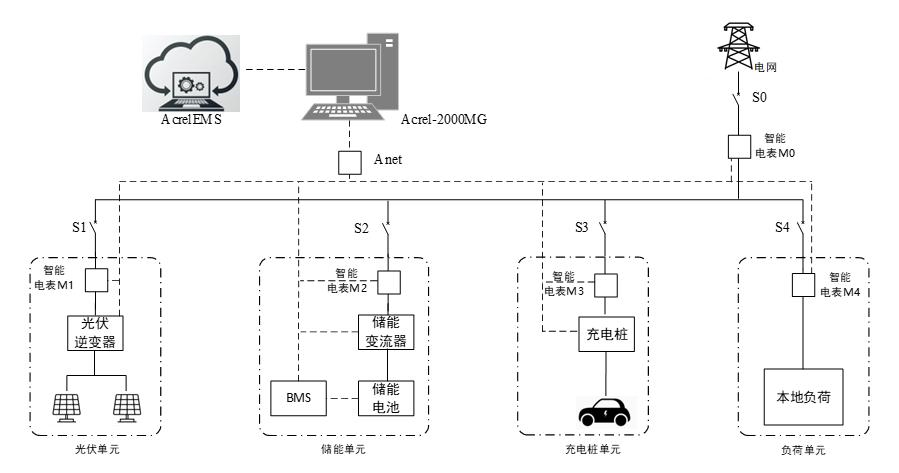
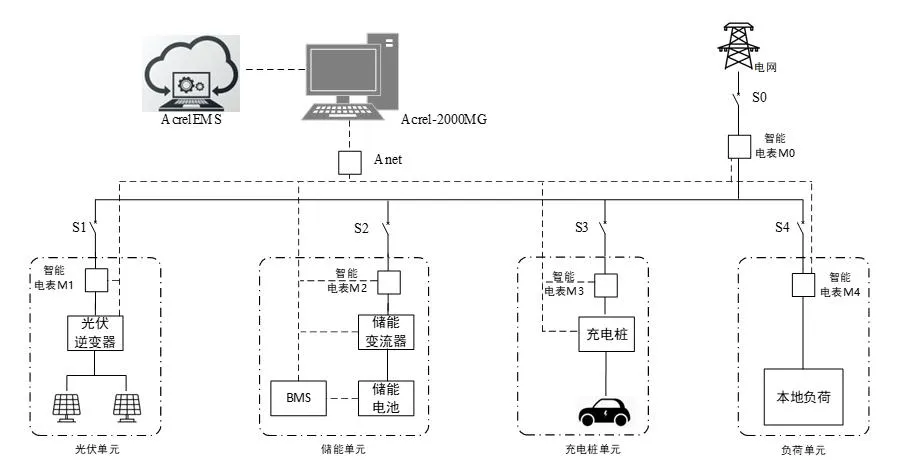
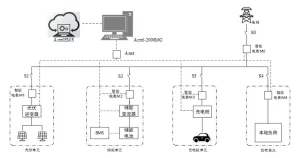
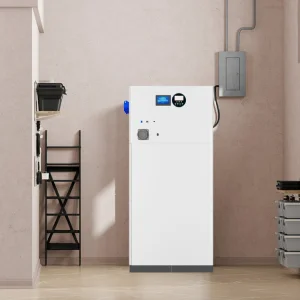
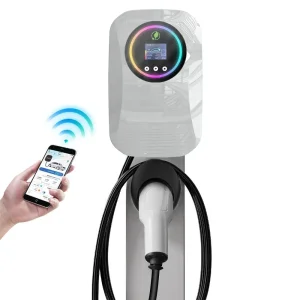
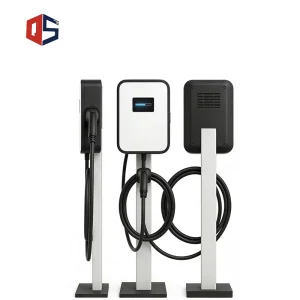
The Enterprise Microgrid Energy Management System is a specialized monitoring and management solution. This system meets the rigorous requirements for the integration of photovoltaic systems, wind power generation, energy storage systems (ESS), and electric vehicle charging piles.
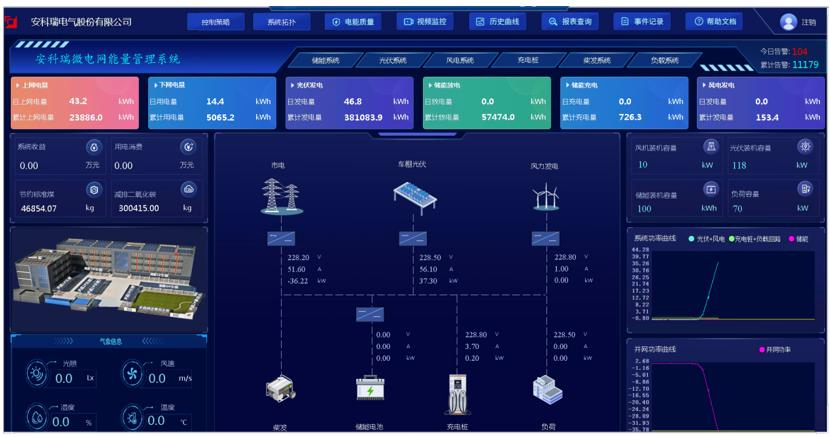
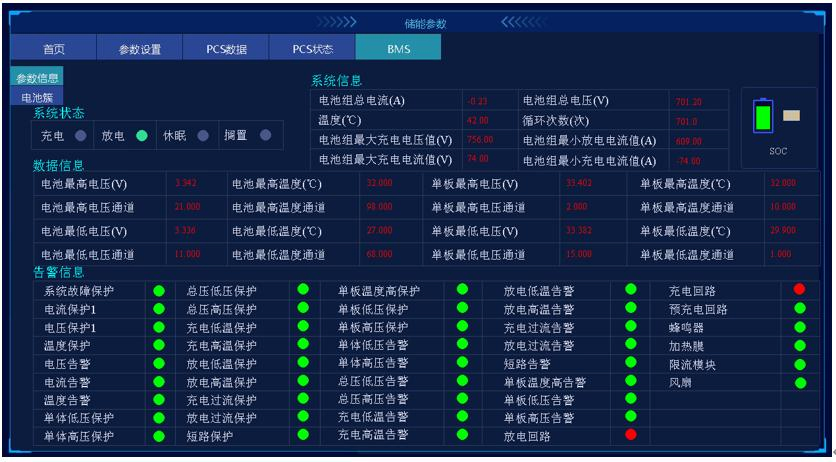
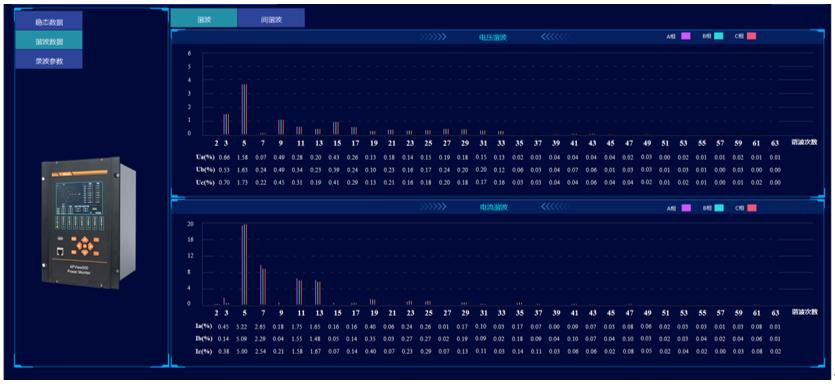
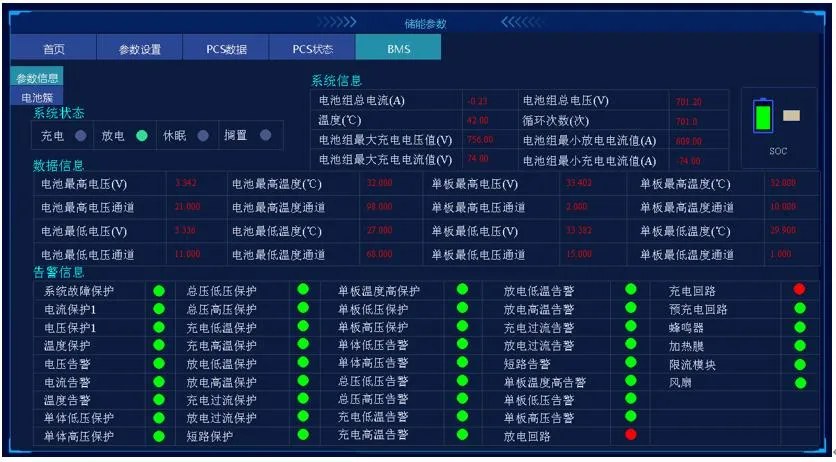
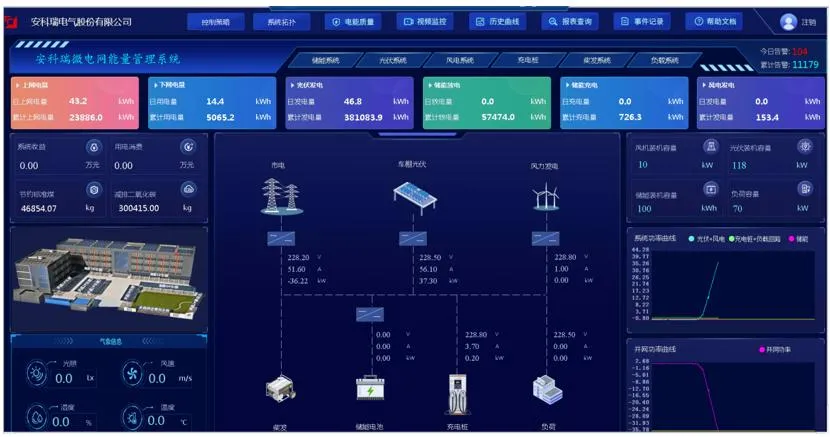
The system conducts data collection and analysis 24/7, monitoring the operational and health status of green energy assets. It aims to optimize economic operation while ensuring safety and stability, promoting renewable energy application, and improving power grid stability.
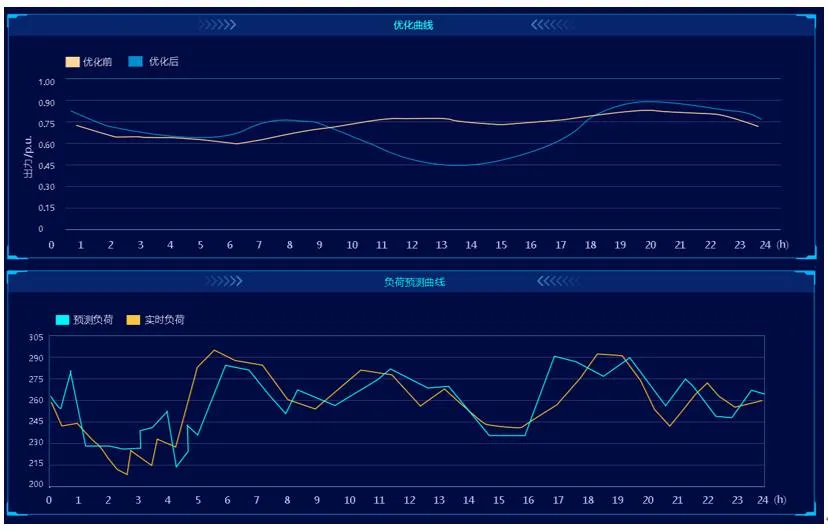
By effectively implementing demand-side management, it eliminates peak-valley differences, smooths loads, and reduces overall power supply costs. This provides a reliable and economical solution for energy management in various park scenarios, including large industrial zones and general commercial microgrids.
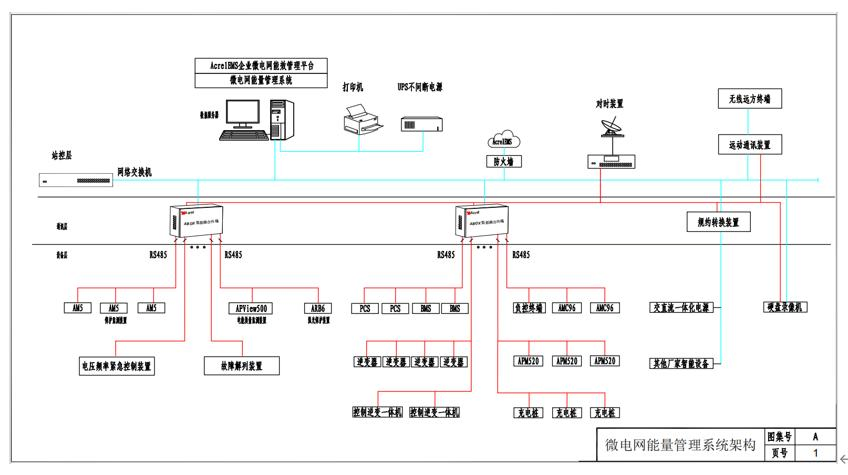
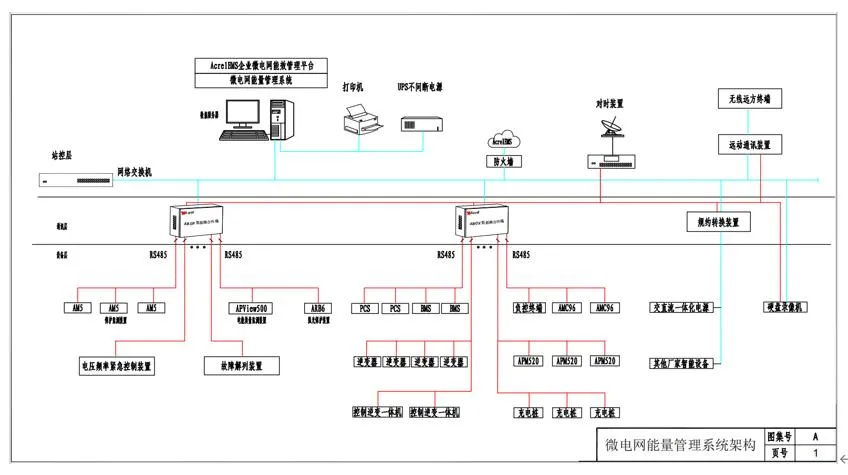
The system adopts a hierarchical distributed structure, physically divided into three distinct layers:
- Equipment Layer: Direct interaction with physical power assets.
- Network Communication Layer: Facilitates data transfer using Ethernet and TCP/IP.
- Station Control Layer: High-level management and coordinated control.
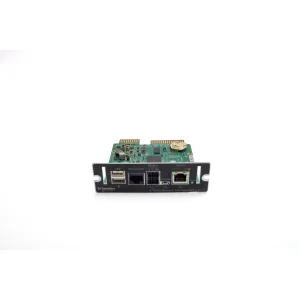
Supported Protocols: Modbus RTU, Modbus TCP, CDT, IEC60870-5-101, IEC60870-5-103, IEC60870-5-104, MQTT, and more.
?
Frequently Asked Questions
What is the primary function of the Acrel-2000MG system?
It is a microgrid energy management system designed to monitor and manage photovoltaics, wind power, energy storage, and EV charging piles 24/7 to optimize economic operation and safety.
Which industries can benefit from this Microgrid EMS?
It is ideal for industrial parks, large-scale commercial microgrids, and enterprise-level energy management scenarios that require load smoothing and demand-side management.
What communication protocols does the system support?
The system is highly compatible, supporting Modbus RTU/TCP, IEC60870-5-101/103/104, CDT, and MQTT protocols.
What are the hardware requirements for the software?
The system typically requires 8G of memory and supports interfaces such as GLAN, USB, and COM ports for data communication.
Can this system help reduce electricity costs?
Yes, by implementing user-side demand management, eliminating peak-valley differences, and improving equipment efficiency, it significantly reduces power supply costs.
Which operating systems are compatible with this management system?
The system is compatible with Windows 10, Ubuntu 18.04, and CentOS 7, providing flexibility for different IT environments.
 Irvion Charger