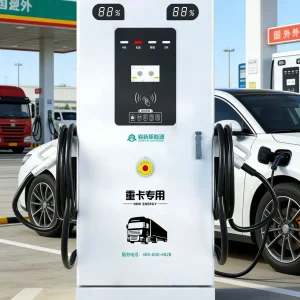
Engineered to withstand rigorous commercial cycles. Fully compliant with international electric safety, grid regulations, and global EV standardizations.
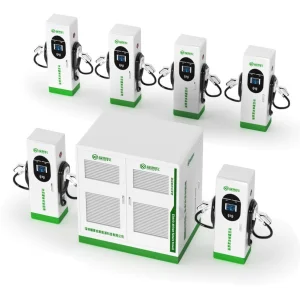
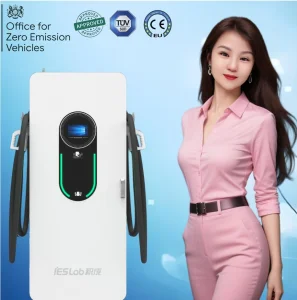
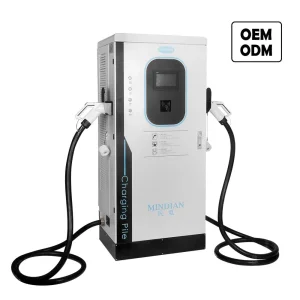
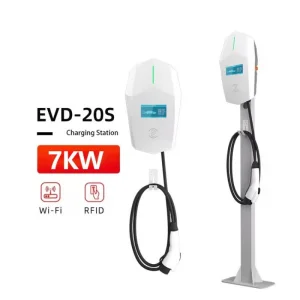
Guangzhou Irvion Charger Co., Ltd. is a leading provider of smart EV charging solutions, dedicated to advancing sustainable mobility through innovative and intelligent power management systems. Established with a vision to support the global transition to electric vehicles, Irvion Charger integrates cutting-edge technology, high-quality manufacturing, and customer-focused services to deliver reliable and efficient charging solutions for diverse applications.
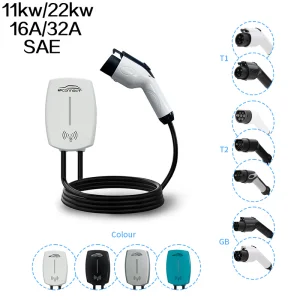
Our product portfolio includes home EV chargers, commercial charging stations, and fleet management systems, all designed to optimize energy usage, enhance safety, and provide seamless connectivity. With intelligent software platforms, users can monitor charging status, schedule sessions, and access real-time analytics to maximize efficiency and convenience.
Committed to sustainability and innovation, Guangzhou Irvion Charger Co., Ltd. continuously invests in R&D to develop next-generation charging infrastructure, supporting both residential and commercial clients in achieving their electrification goals. Our solutions comply with international safety standards and are tailored to meet the evolving demands of the rapidly growing EV market.
By combining smart technology, robust engineering, and exceptional customer support, Irvion Charger empowers individuals, businesses, and municipalities to embrace electric mobility confidently, contributing to a cleaner, greener future worldwide.

A comprehensive analysis of procurement profiles, standard requirements, and barriers to deployment faced by international purchasing authorities.
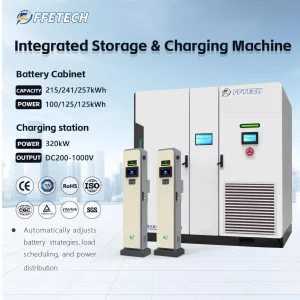
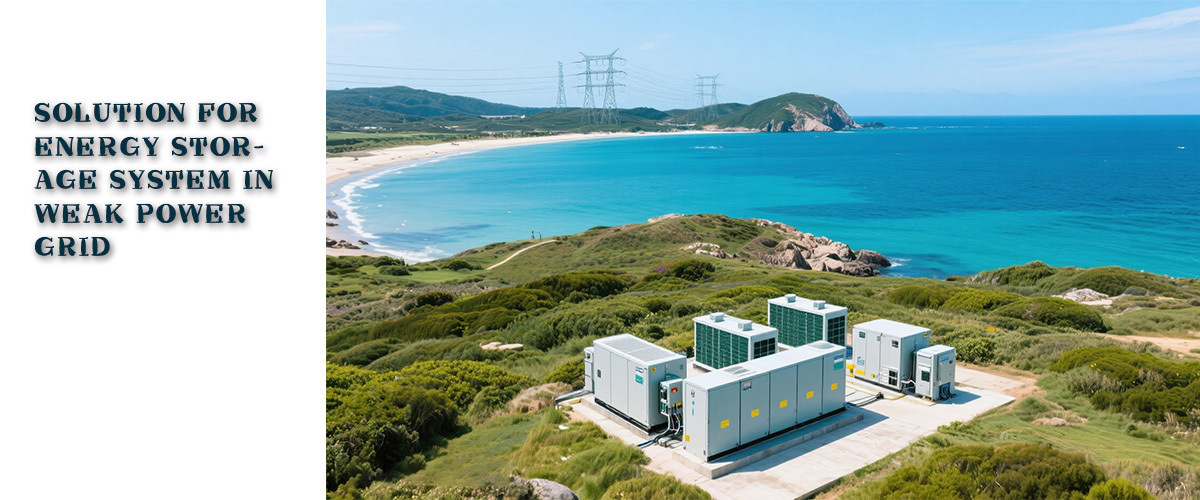
Global procurement teams in Europe and North America prioritize smart charging capability to counteract local grid capacities. The integration of Battery Energy Storage Systems (BESS) alongside DC chargers is no longer optional; it is a critical safeguard against localized grid strain, minimizing peak load surcharges while optimizing fleet uptime.
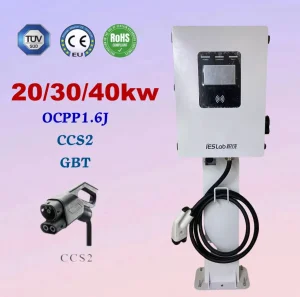
For fleet managers, avoiding software lock-in is vital. Purchasing specifications strictly dictate Open Charge Point Protocol (OCPP 1.6J / 2.0.1) compatibility. Fleets demand systems that integrate seamlessly with third-party telematics, route planning programs, and real-time smart grid charging platforms.
Industrial fleets operate on thin margins. The procurement evaluation criteria weigh equipment degradation, system efficiency, and maintenance intervals highly. Hardware must feature advanced liquid cooling or multi-phase power modules to ensure an operating life span exceeding 10 years in diverse environmental conditions.
How progressive logistics hubs and municipal transit fleets are moving from passive charging units to active energy hubs.
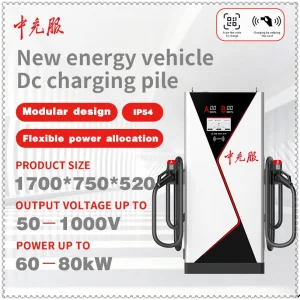
Our cloud-integrated chargers redistribute active power dynamically based on vehicle state-of-charge (SoC) and shift schedules. This algorithm reduces total site capacity demand by up to 40% while ensuring overnight-charging targets are met.
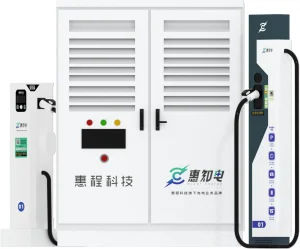
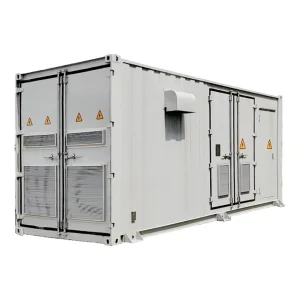
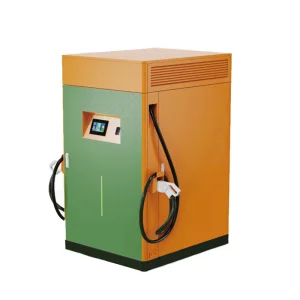
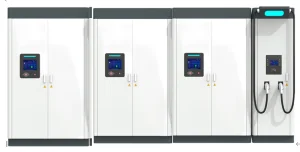
By pairing the Irvion 215kwh industrial BESS with our 480kW super-chargers, fleet facilities store energy during low-tariff hours and discharge it during peak charging periods. This reduces utility costs and lowers the carbon intensity of every mile driven.
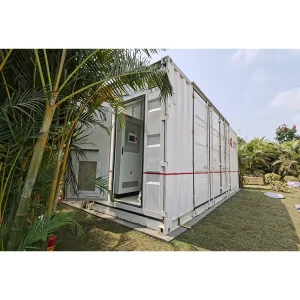
For remote industrial complexes, mines, or temporary construction environments, Irvion supplies turn-key solar-supported off-grid mobile charging systems. By synthesizing photovoltaic arrays with high-density LFP storage, operations run independent of regional utility constraints.
Irvion's long-term engineering development roadmap aligns with the shift toward heavy commercial freight and complex grid integrations.
Developing ultra-high-power charging connectors capable of operating up to 1250V and 3000A, targeting long-haul electric commercial trucks. MCS charging will slash turnaround times for logistics vehicles, charging Class 8 trucks in under 20 minutes.
Implementing bidirectional power conversion modules standard across all DC cabinets. This enables fleet operations to turn idle vehicles into localized virtual power plants (VPPs), selling battery capacity back to utilities during regional power stress events.
Incorporating embedded thermal sensors and machine-learning anomaly detection algorithms within charging gun assemblies. Systems analyze historical charging cycles to predict potential connector or subcomponent degradation, triggering automated maintenance schedules before an operational failure occurs.
Meeting unique regulatory frameworks and operational realities in international corridors.
Commercial and industrial fleet electrification is advancing globally, but regional pathways vary. In the European Union, zero-emission shipping mandates demand rapid logistics depot deployments, requiring heavy reliance on CE-marked high-power DC systems and smart load management.
In the North American market, robustness against severe outdoor conditions, extreme temperatures, and compatibility with local utilities requires robust components, UL certifications, and OCPP compliance.
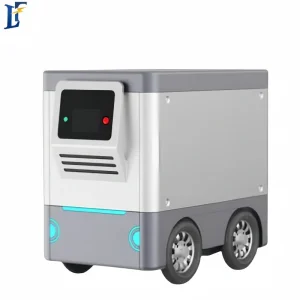
In the Middle East & Southeast Asia, rapid urbanization projects and heavy mining sites need specialized solar off-grid solutions. Irvion's mobile charging robot and integrated containerized BESS satisfy these dynamic, remote operations.
| Market | Core Product Solution | Compliance Need |
|---|---|---|
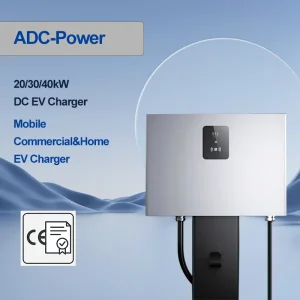
| EU Logistics | 360kW-480kW DC Chargers | CE, IEC 61851, OCPP 1.6J |
| US Depot/Mines | BESS + DC Charger Combos | UL 2202, FCC Class A |
| APAC Remote Sites | Off-Grid Solar + Charging Robot | CE, Regional Grid Codes |
How Guangzhou Irvion Charger Co., Ltd. ensures zero operational disruption and hassle-free imports for global enterprise clients.
All Irvion chargers and BESS designs comply with CE, UL, RoHS, and FCC regulations. Rigorous physical stress, IP65 protection level verification, and thermal run-away simulations are executed prior to shipping.
We maintain a regional components reserve with strategic distribution partners. Critical power modules, primary control boards, and liquid cooling hoses are stocked locally to keep mean time to repair (MTTR) under 24 hours.
Our engineering response center provides 24/7 OTA software management. From updating charging protocol variants to resolving localized grid errors, our specialists update unit firmware securely and remotely.
Integrate battery energy storage, solar arrays, and high-performance DC power conversion to future-proof your infrastructure.
Addressing core technical questions from procurement executives and electrical contractors.
Consult with our technical sales engineers to design a custom, scalable charging and battery energy storage system suited to your logistics, municipal, or commercial fleet demands.
Contact Our Fleet Engineering Team Irvion Charger