Pioneering High-Efficiency Power Dispatching and Charging Hardware Systems
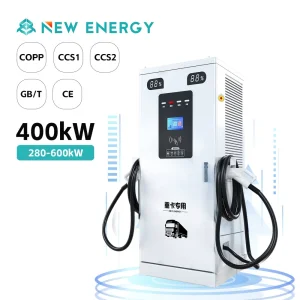
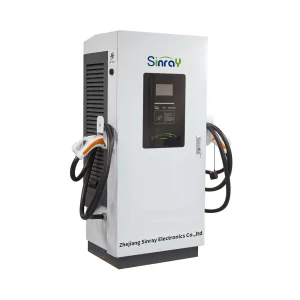
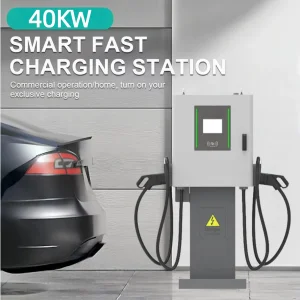
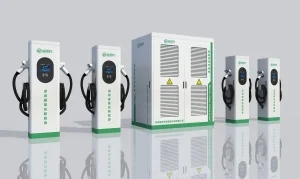
Guangzhou Irvion Charger Co., Ltd. is a leading provider of smart EV charging solutions, dedicated to advancing sustainable mobility through innovative and intelligent power management systems. Established with a vision to support the global transition to electric vehicles, Irvion Charger integrates cutting-edge technology, high-quality manufacturing, and customer-focused services to deliver reliable and efficient charging solutions for diverse applications.
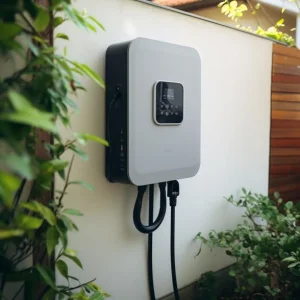
Our product portfolio includes home EV chargers, commercial charging stations, and fleet management systems, all designed to optimize energy usage, enhance safety, and provide seamless connectivity. With intelligent software platforms, users can monitor charging status, schedule sessions, and access real-time analytics to maximize efficiency and convenience.
Committed to sustainability and innovation, Guangzhou Irvion Charger Co., Ltd. continuously invests in R&D to develop next-generation charging infrastructure, supporting both residential and commercial clients in achieving their electrification goals. Our solutions comply with international safety standards and are tailored to meet the evolving demands of the rapidly growing EV market.
By combining smart technology, robust engineering, and exceptional customer support, Irvion Charger empowers individuals, businesses, and municipalities to embrace electric mobility confidently, contributing to a cleaner, greener future worldwide.

Global Export Countries
Monthly Charging Power Deployed
1.6J & 2.0.1 Integrated Protocols
Dynamic Load Balancing Response
As the world transitions to carbon neutrality, the intersection of localized power storage, renewable energy generation, and electric vehicle service equipment (EVSE) demands a new class of intelligence. Energy Management Systems (EMS) are no longer merely passive monitoring panels; they are now proactive, software-defined control centers executing sub-second grid balancing algorithms. In the contexts of commercial buildings, municipal transportation grids, and industrial manufacturing plants, a highly adaptive EMS is critical to prevent grid overload and optimize electricity expenditures.
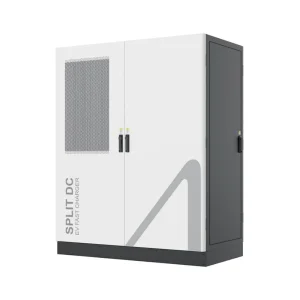
The hardware and software ecosystem developed by Guangzhou Irvion Charger Co., Ltd. relies on a multi-layered hierarchical architecture. The bottom tier incorporates robust, industrial-grade microprocessors located directly inside the DC fast chargers and mobile emergency charging stations. These units leverage edge computing to sample real-time voltage, current, and temperature parameters.
Moving forward, our technological roadmap focuses on three main architectural shifts:
Enabling electric vehicles to serve as distributed mobile batteries. Using ISO 15118-20, our future systems will feed power back to the microgrid during peak intervals, unlocking a massive revenue model for fleet operators.
Utilizing machine learning models on cloud platforms to analyze historic energy consumption, weather forecasts, and spot electricity prices. The system dynamically schedules charging processes to avoid high-cost hours.
Linking solar photovoltaic arrays, localized energy storage systems (ESS), and multi-gun EV charging stations into a unified, self-balancing energy node capable of operating autonomously in off-grid modes.
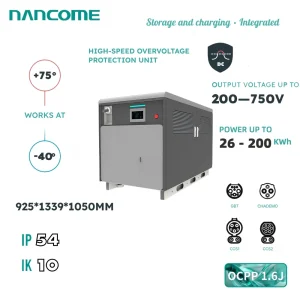
By maintaining native compatibility with OCPP 1.6J and preparing for complete integration with OCPP 2.0.1, we ensure that global operators can orchestrate our infrastructure remotely. This standardizes telemetry fields, security profiles, and smart charging configurations across mixed-manufacturer networks.
Operating from the manufacturing powerhouse of Guangzhou, our production lines represent the state-of-the-art in automated EVSE assembly. The integration of advanced testing bays, visual alignment robotics, and real-time stress testing ensures that every single system exported conforms to rigorous international standards.
By vertical integration—sourcing raw electronic components, designing circuit boards, and custom-programming firmware in-house—we control costs and mitigate supply chain bottlenecks. Our logistics infrastructure is optimized for global shipping, facilitating expedited delivery of standard parts, spare parts, and custom-enclosure OEM stations.
This rigorous attention to operational efficiency directly translates into a total cost of ownership (TCO) reduction for our wholesale procurement clients. With scalable production capacity, we effortlessly support infrastructure projects scaling from single commercial hubs to nation-wide highway network rollouts.
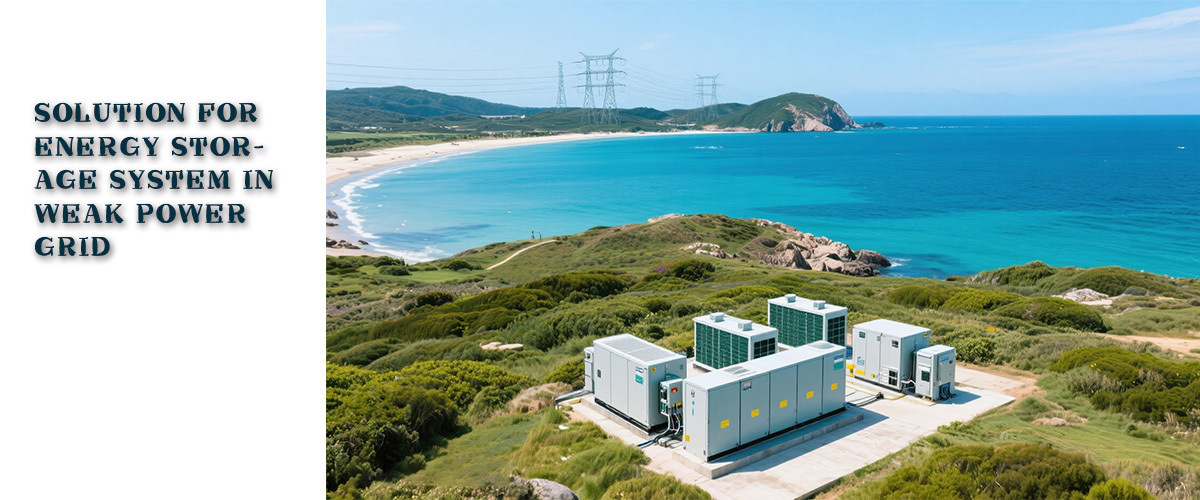
Every market presents unique grid challenges. While European infrastructure demands robust dynamic load balancing to deal with three-phase power limits, North American applications frequently necessitate compliance with UL standards, single-phase configurations, and heavy-duty weatherization for outdoor commercial operations.
Guangzhou Irvion Charger Co., Ltd. bridges this gap by offering localized software integration support. Our global technical support team assists operators in interfacing the hardware with native utility protocols, regional payment gateways, and localized smart grid interfaces.
Our solutions are deployed across multiple commercial vectors:
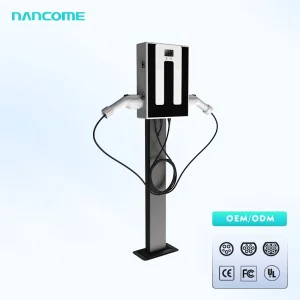
As an established wholesale energy management systems factory, we streamline B2B procurement workflows to lower transactional risks and ensure long-term equipment reliability. For global operators, utility companies, and charge point operators (CPOs), we provide structured OEM/ODM options:
Expert Answers to Critical Questions Raised by Grid Operators and Procurement Managers
Empowering Infrastructure Sourcing with Proven Charging Terminals
 Irvion Charger