Explore our certified portfolio of intelligent alternating current (AC) and direct current (DC) fast-charging devices designed for public networks, fleets, and industrial deployment.
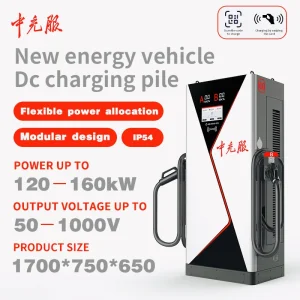
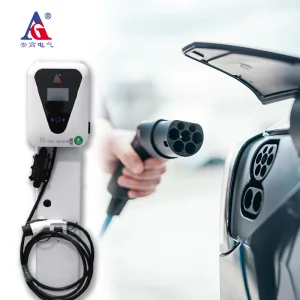
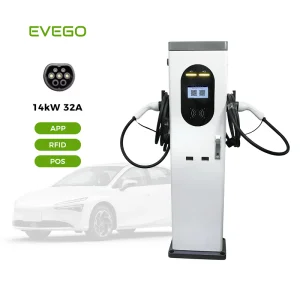
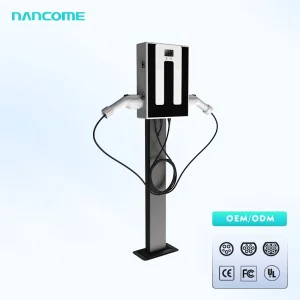
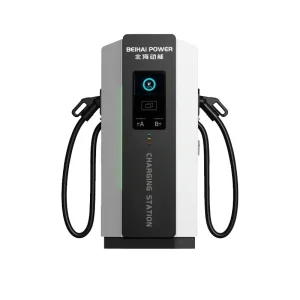
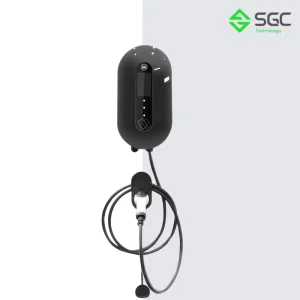
Guangzhou Irvion Charger Co., Ltd. is a leading provider of smart EV charging solutions, dedicated to advancing sustainable mobility through innovative and intelligent power management systems. Established with a vision to support the global transition to electric vehicles, Irvion Charger integrates cutting-edge technology, high-quality manufacturing, and customer-focused services to deliver reliable and efficient charging solutions for diverse applications.
Our product portfolio includes home EV chargers, commercial charging stations, and fleet management systems, all designed to optimize energy usage, enhance safety, and provide seamless connectivity. With intelligent software platforms, users can monitor charging status, schedule sessions, and access real-time analytics to maximize efficiency and convenience.
Committed to sustainability and innovation, Guangzhou Irvion Charger Co., Ltd. continuously invests in R&D to develop next-generation charging infrastructure, supporting both residential and commercial clients in achieving their electrification goals. Our solutions comply with international safety standards and are tailored to meet the evolving demands of the rapidly growing EV market.

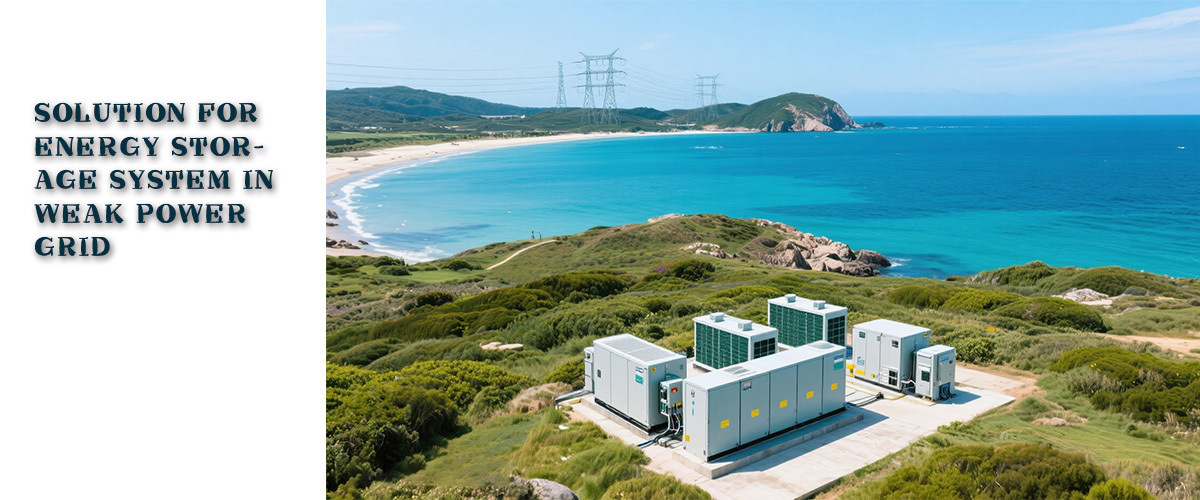
Addressing large-scale municipal, institutional, and utility-scale challenges through decentralized power architecture.
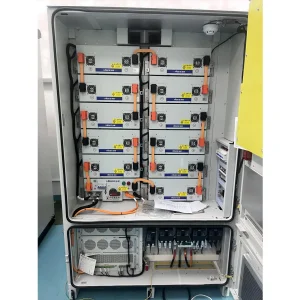
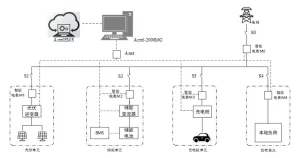
By pairing high-capacity Battery Energy Storage Systems (BESS) with multi-node EV hubs, our solutions dynamically balance localized grid demand, minimizing peak-hour demand charges and maximizing solar self-consumption.
Leveraging predictive AI load allocation, our charging stations segment power dynamically down to individual phases, allowing complex commercial complexes to deploy charging structures without electrical service upgrades.
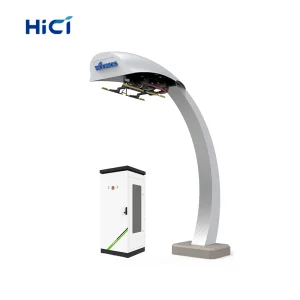
Deploying centralized control microgrids capable of servicing municipal electric bus fleets (via automated pantographs) alongside typical civilian vehicle charging parks, streamlining capital expenditures.
A comprehensive research analysis of manufacturing challenges, distribution pipelines, and standardization requirements in the EV charging market.
The global Electric Vehicle Supply Equipment (EVSE) ecosystem is undergoing a major paradigm shift. In response to national carbon neutrality targets, fleet operators, municipal authorities, and corporate entities are transitioning from low-capacity Level 2 AC installations to highly integrated, ultra-fast DC charging networks. This change requires robust systems that can handle high electrical demands while ensuring grid stability. For global procurement directors, choosing hardware partner companies like Guangzhou Irvion Charger Co., Ltd. is a key strategic decision. This choice determines the long-term reliability and compliance of their utility networks.
"The challenge of scaling EV charging infrastructure is no longer about individual plug types; it is an integration challenge involving power flow optimization, active dynamic load balancing, grid-edge telemetry, and stringent safety standards compliance."
As fast-charging stations demand megawatts of power from local distribution networks, traditional grids face severe congestion. The deployment of smart fast-charging hubs is increasingly combined with localized battery storage (BESS) and microgrid management platforms. Systems like the Acrel-2000mg Microgrid Energy Management System show how real-time energy tracking can balance peak loads, allowing operators to run high-output charging networks without exceeding local substation capacities.
Proprietary software ecosystems are a high-risk factor for charging network operators. Adhering to open communication standards is crucial. Implementing Open Charge Point Protocol (OCPP) 1.6 and 2.0.1 JSON ensures that hardware units can communicate with any central management software (CSMS). This enables smart charging algorithms, billing systems, and remote diagnostics. In addition, implementing ISO 15118 (Plug & Charge) allows secure, automatic authentication between the vehicle and the charger, removing the need for manual RFID cards or mobile apps.
In logistics sectors, vehicle uptime is critical. Standard chargers cannot meet the duty cycles of long-haul trucks and public transit buses. High-power DC stations (ranging from 180kW to multi-megawatt systems) combined with automated pantographs or heavy liquid-cooled cables are essential. This infrastructure requires active thermal management systems, built-in system safety features, and specialized power electronics modules to sustain high outputs without thermal throttle issues.
By combining smart technology, robust engineering, and exceptional customer support, Irvion Charger empowers individuals, businesses, and municipalities to embrace electric mobility confidently, contributing to a cleaner, greener future worldwide.
To access high-barrier markets like the European Union and North America, strict compliance with safety regulations is mandatory. CE Marking shows that our chargers meet EU safety, health, and environmental standards. Our systems are fully certified under the Low Voltage Directive (LVD) 2014/35/EU and the Electromagnetic Compatibility (EMC) Directive 2014/30/EU.
In addition, our engineering teams ensure that grid-tie configurations match local parameters, such as TN-S, TN-C-S, or TT grounding grids in Europe, as well as split-phase configurations common in other international areas. Our hardware is built to withstand extreme temperatures, with IP54/IP65 ingress ratings and IK10 impact protection, ensuring reliable performance in harsh environments.
How our diverse charging systems are deployed across various commercial and residential settings.
High-voltage DC fast chargers and automated overhead pantograph systems integrated with fleet dispatch systems to keep municipal transit networks operating continuously.
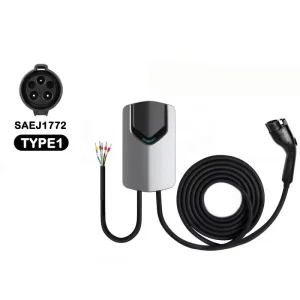
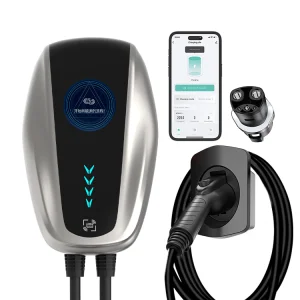
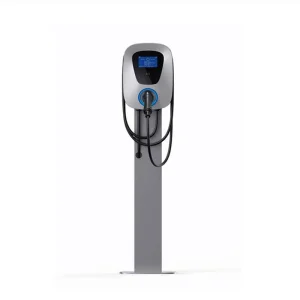
OCPP-compliant dual-port AC wallboxes and floor-mounted chargers that allow malls and hotels to offer public access, handle automated billing, and build customer loyalty.
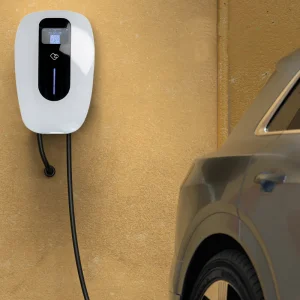
Intelligent, space-saving wallboxes equipped with dynamic load balancing. They share existing power capacities among residents, avoiding expensive building infrastructure upgrades.
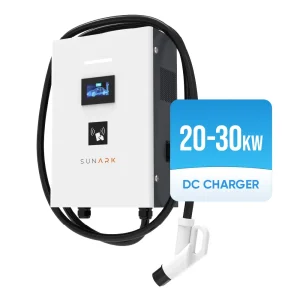
Combining solar panel installations with 22kW/30kW hybrid DC chargers to provide off-grid charging capabilities in rural locations or remote industrial parks.
Our long-term commitment to innovation, detailing next-generation power electronics and grid integration.
Moving from traditional silicon IGBTs to Silicon Carbide (SiC) and Gallium Nitride (GaN) power modules. This transition reduces thermal generation, increases conversion efficiency to 97.5%, and shrinks the physical footprint of our DC chargers.
Developing bidirectional power topologies that allow EVs to act as distributed energy storage resources. This enables fleet operators to feed power back into the grid during peak energy demand hours.
Integrating machine learning algorithms into our software platforms to analyze thermal signatures, grid harmonics, and connector degradation. This system predicts component failures before they occur, reducing downtime.
Answers to common questions regarding compliance, integration, and performance of our EV charging hubs.
Choose from our specialized AC wallboxes, ultra-fast DC systems, energy storage batteries, and microgrid components to scale your network.
 Irvion Charger