Explore our flagship hardware lineup designed for high-density commercial deployments, industrial logistics optimization, and microgrid integrated charging architectures.
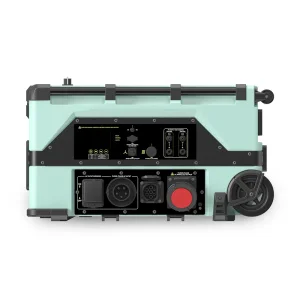
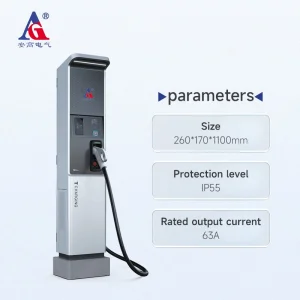
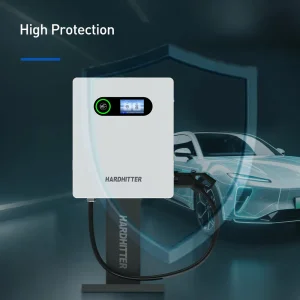
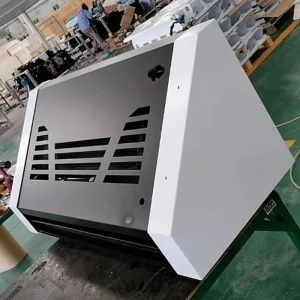
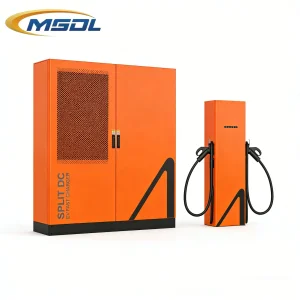
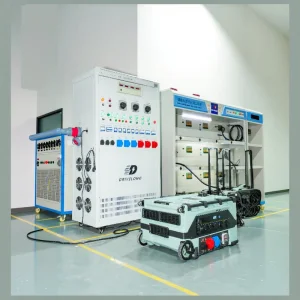
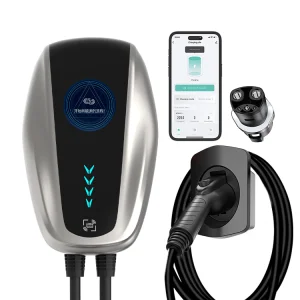
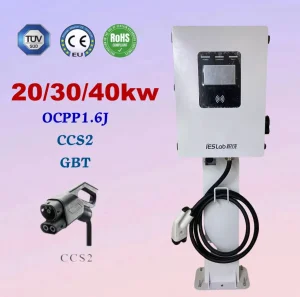
Guangzhou Irvion Charger Co., Ltd. is a leading provider of smart EV charging solutions, dedicated to advancing sustainable mobility through innovative and intelligent power management systems. Established with a vision to support the global transition to electric vehicles, Irvion Charger integrates cutting-edge technology, high-quality manufacturing, and customer-focused services to deliver reliable and efficient charging solutions for diverse applications.
Our comprehensive product portfolio includes home EV chargers, commercial charging stations, and fleet management systems, all designed to optimize energy usage, enhance safety, and provide seamless connectivity. With intelligent software platforms, users can monitor charging status, schedule sessions, and access real-time analytics to maximize efficiency and convenience.
Committed to sustainability and innovation, Guangzhou Irvion Charger Co., Ltd. continuously invests in R&D to develop next-generation charging infrastructure, supporting both residential and commercial clients in achieving their electrification goals. Our solutions comply with international safety standards and are tailored to meet the evolving demands of the rapidly growing EV market.
By combining smart technology, robust engineering, and exceptional customer support, Irvion Charger empowers individuals, businesses, and municipalities to embrace electric mobility confidently, contributing to a cleaner, greener future worldwide.
Commercial and industrial scale entities demand multi-layered operational resilience, predictive TCO models, and seamless API interoperability.
In the contemporary industrial sector, logistics operators, port authorities, municipal transit commissions, and distribution enterprises are experiencing a profound technological transformation. Electrification is no longer merely a sustainability initiative; it has emerged as a critical driver of economic efficiency and structural cost reduction. Procurement officers and chief technology officers are looking for robust, scalable systems that bridge the gap between heavy-duty hardware and cloud-based software layers.
Maximizing fleet lifecycle value requires granular control over dynamic charging rates, thermal cycles, and component stress profiles, converting raw telemetry into actionable operational longevity.
Avoiding vendor lock-in is vital. Fleet operators demand platforms that communicate universally via standard protocols like OCPP 1.6J and OCPP 2.0.1, making hardware interchangeability seamless.
With high-voltage industrial installations, compliance with CE, UL, and localized grid-intertie regulations is mandatory to secure operations, preserve personnel safety, and ensure business continuity.
To address these evolving global needs, suppliers must deliver more than basic hardware; they must supply integrated systems capable of handling multi-megawatt capacities, dynamic load shedding, and smart grid coordination. Guangzhou Irvion Charger Co., Ltd. meets these procurement requirements by integrating advanced telemetry, hardware safety systems, and predictive software controls directly into their commercial fleet management solutions.
Optimizing logistics throughput and public transportation networks while maintaining grid balance and structural power integrity.
For high-frequency urban delivery fleets, software orchestrates fast-turnaround charging without overloading depot substations, utilizing dynamic scheduling.
Guiding electric bus systems with structured route planning, real-time battery monitoring, and massive depot charging hubs up to 960kW capacity.
Specially customized EV truck chiller units keep cold goods fresh while communicating directly with power modules to maintain cooling efficiency during transport.
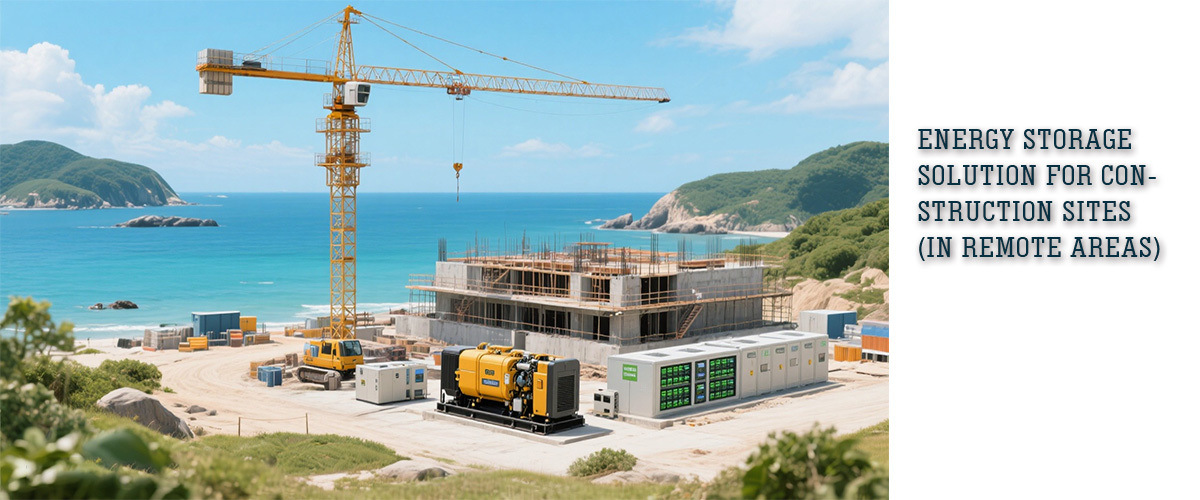
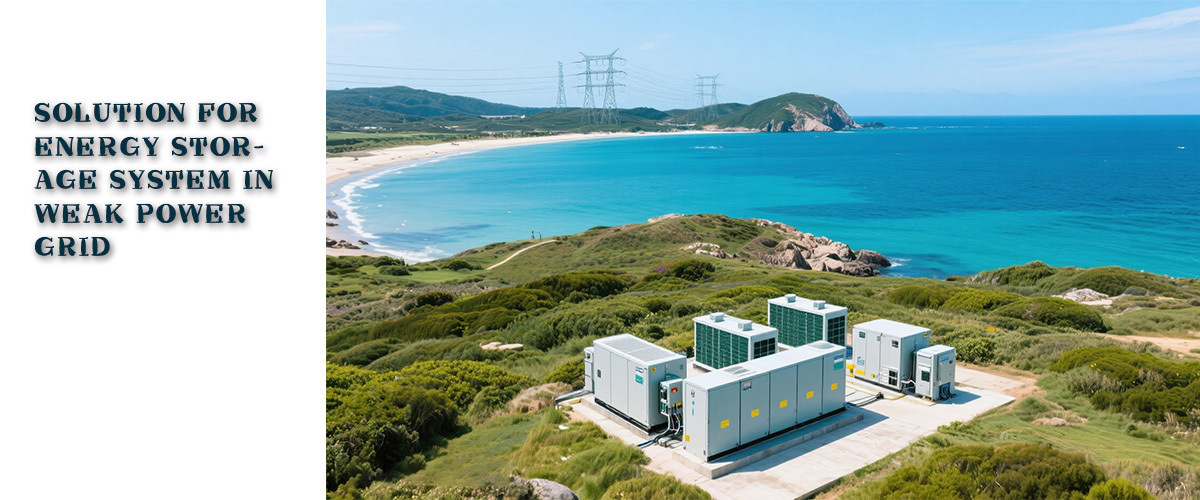
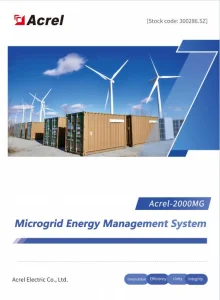
Integrating solar stations and battery storage setups (like Acrel-2000mg) allows fleets to utilize off-grid green energy during peak hours, reducing electricity costs.
Integrating high-power charging infrastructure with existing fleet operations requires a deep understanding of electrical engineering and system architecture. Software serves as the brains of this integration, monitoring variables like grid capacity, battery temperature, vehicle route requirements, and utility rates in real time. This ensures that fleets are charged efficiently without causing grid issues.
For instance, a commercial fleet operator deploying multiple 40kW DC Fast Chargers or 160kW DC Fast Charging Stations cannot simply plug all units in simultaneously at maximum capacity during peak billing hours. Doing so would lead to demand charges that could wipe out the cost benefits of shifting away from internal combustion engines. An intelligent fleet management software platform mitigates this risk by dynamically adjusting power output based on real-time fleet schedules and utility rates.
The convergence of artificial intelligence, vehicle-to-grid (V2G) capabilities, and software-defined power systems.
Implementing active load-balancing software to distribute power across multiple charging stations dynamically, preventing peak demand spikes and stabilizing local electrical grids.
Deploying machine learning models to analyze charger telemetry data. This enables operators to predict component failures before they occur and schedule maintenance proactively, minimizing downtime.
Enabling automated authentication and secure communication between vehicles and chargers, laying the groundwork for vehicle-to-grid (V2G) power transfer and smart-grid integration.
Creating self-optimizing microgrids that coordinate onsite solar arrays, battery storage systems, and chargers. These systems autonomously determine when to draw power, store energy, or export electricity back to the utility grid.
Analyzing localized policy dynamics, infrastructure challenges, and the operational realities of industrial fleet operators.
The shift toward electric vehicle fleets is progressing at different rates globally, shaped by varying regulatory landscapes, grid infrastructure readiness, and regional economic factors. In Europe, strict emissions mandates and the Alternative Fuels Infrastructure Regulation (AFIR) are driving rapid adoption of high-power charging hubs. In North America, federal funding programs like the NEVI program are supporting the expansion of charging networks along major highway corridors, increasing the demand for high-capacity CCS1 and NACS fast chargers.
Meanwhile, fast-growing markets in the Asia-Pacific region are leveraging solar power integration and localized energy storage to overcome grid capacity constraints. Across all these regions, the core challenge remains the same: grid capacity limits. Expanding a fleet depot to accommodate dozens of heavy-duty electric trucks often requires more power than the local utility can readily deliver.
Target Charger Uptime
Energy Cost Savings
1.6J & 2.0.1 Ready
Plug & Charge Capable
To address these infrastructure constraints without costly grid upgrades, fleet operators are increasingly adopting onsite microgrids. By combining rooftop solar arrays, battery energy storage systems (BESS), and intelligent energy management software, fleet depots can generate and store their own clean power. This localized energy can then be directed to vehicles during peak periods, reducing reliance on the main grid and protecting operations from power quality issues or utility outages.
Ensuring operational safety and regulatory compliance across international markets through rigorous testing and standardization.
Safety and regulatory compliance are critical when deploying high-voltage industrial charging equipment. Systems must meet strict international standards, including CE marking for European markets, UL listings for North America, and various local grid-intertie certifications worldwide. These standards ensure that chargers operate safely under diverse environmental conditions, protect vehicle batteries from electrical issues, and prevent electromagnetic interference with surrounding equipment.
At Guangzhou Irvion Charger Co., Ltd., we prioritize compliance throughout our design and manufacturing processes. Our entire product line, from residential wallboxes to multi-megawatt public fast-charging systems, is engineered to meet or exceed relevant safety and environmental regulations. By working closely with recognized testing laboratories and certification bodies, we ensure our clients can deploy our hardware confidently, knowing it meets the highest safety standards in the industry.
Answers to common technical and operational questions regarding commercial fleet electrification and software integration.
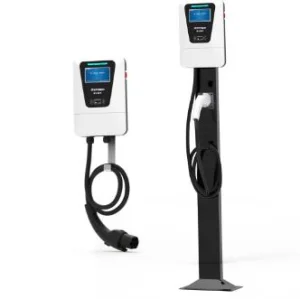
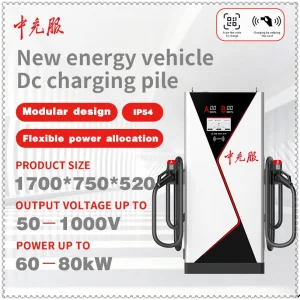
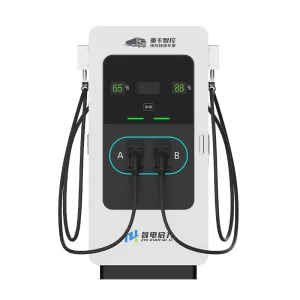
Explore our complete range of high-power commercial hardware, designed to integrate with fleet management platforms.
 Irvion Charger