Industry-approved Charging Stations and Modular Sub-systems Engineered for Global Standardization and Interoperability.
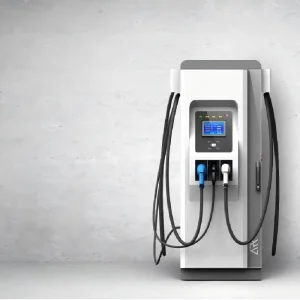
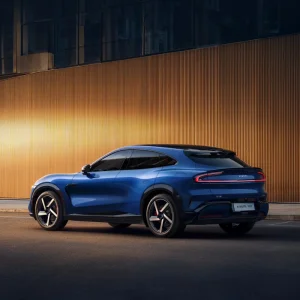
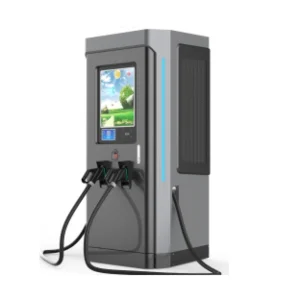
The global transition to sustainable mobility has moved beyond simple EV adoption and entered an era of utility-scale grid integration and infrastructure consolidation. In this mature ecosystem, the primary challenge is no longer merely delivering raw wattage, but achieving absolute cross-standard interoperability. Hardware must seamlessly communicate across varied grid requirements, vehicle software protocols, and billing networks. As a leading OEM/ODM interoperable charging solutions manufacturer and exporter, we design interfaces that bridge these operational gaps.
Global target markets are split across distinct standards: CCS1 in North America, CCS2 in Europe, GB/T in East Asia, and the rapidly scaling SAE J3400 (NACS). Simultaneously, regional grids differ significantly in supply stability, harmonic distortion tolerance, and phase alignment. A truly interoperable system must deploy advanced communication gateways—such as DIN 70121 and ISO 15118 protocol engines—to coordinate power flow regardless of the vehicle model. By integrating smart communication controllers within our modular chargers, we enable operators to scale infrastructure globally without costly hardware redesigns.
Furthermore, modern smart grids require dynamic response features. Features such as OCPP (Open Charge Point Protocol) 1.6J and 2.0.1 integrations allow operators to schedule charging profiles to capture low-tariff pricing, prevent local grid overload, and execute remote firmware diagnostics. The resulting interoperability saves capital expenditure by rendering systems future-proof.
Guangzhou Irvion Charger Co., Ltd. is a leading provider of smart EV charging solutions, dedicated to advancing sustainable mobility through innovative and intelligent power management systems. Established with a vision to support the global transition to electric vehicles, Irvion Charger integrates cutting-edge technology, high-quality manufacturing, and customer-focused services to deliver reliable and efficient charging solutions for diverse applications.
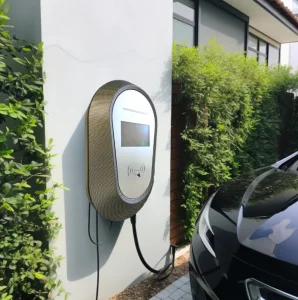
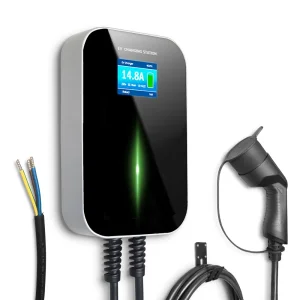
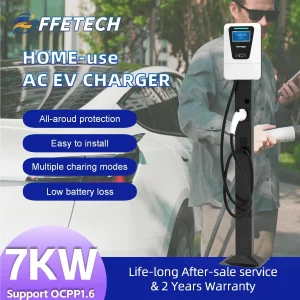
Our product portfolio includes home EV chargers, commercial charging stations, and fleet management systems, all designed to optimize energy usage, enhance safety, and provide seamless connectivity. With intelligent software platforms, users can monitor charging status, schedule sessions, and access real-time analytics to maximize efficiency and convenience.
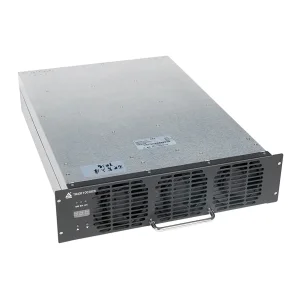
Western and Asian infrastructure buyers often wonder how to balance fast scaling with tight budget parameters. The answer lies in the concentrated supply chain ecosystems of Southern China. In Guangzhou, we utilize a dense network of sub-tier component providers. We handle everything from precision sheet-metal stamping and high-reliability SMT (Surface Mount Technology) logic boards to high-efficiency power modules and advanced liquid cooling blocks.
We reduce industrial design-to-production timelines down to 6–8 weeks, performing mechanical modeling, thermal airflow simulation, and internal EMC testing in-house.
We apply rigorous testing protocols to all electronic components. Every product undergoes Burn-in, High/Low-temperature operation, and simulated load testing before dispatch.
By keeping design and high-volume assembly localized under one roof, we lower unit manufacturing costs without sacrificing material standards or active electrical safety.
At Guangzhou Irvion Charger Co., Ltd., we combine smart technology, robust engineering, and exceptional customer support to empower individuals, businesses, and municipalities to embrace electric mobility confidently, contributing to a cleaner, greener future worldwide.
Our factory features advanced automation for mounting high-frequency magnetic components and power modules, which minimizes human assembly errors. Each DC Fast Charging unit undergoes a multi-point safety validation program. This includes ground bond integrity tests, high-pot isolation tests, and dynamic system handshakes under simulated adverse conditions (such as input voltage drops and output short circuits).
Committed to sustainability and innovation, Guangzhou Irvion Charger Co., Ltd. continuously invests in R&D to develop next-generation charging infrastructure, supporting both residential and commercial clients in achieving their electrification goals. Our solutions comply with international safety standards and are tailored to meet the evolving demands of the rapidly growing EV market.
By designing charging architectures with wide output-voltage ranges (typically 150VDC to 1000VDC), our chargers service legacy 400V battery architectures and next-generation 800V/900V passenger or heavy commercial EVs alike. This future-proof capability minimizes long-term depreciation risks for infrastructure owners.
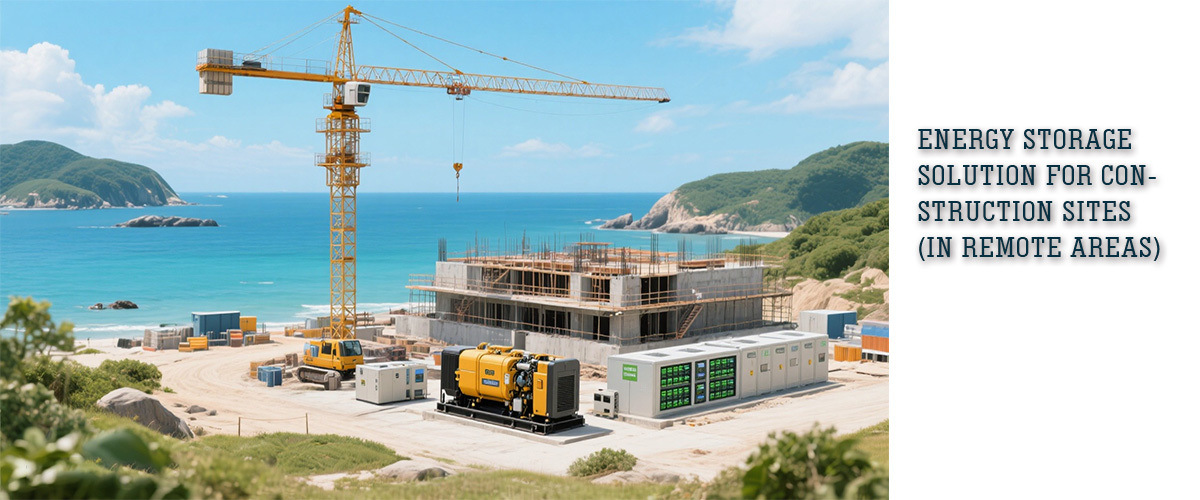
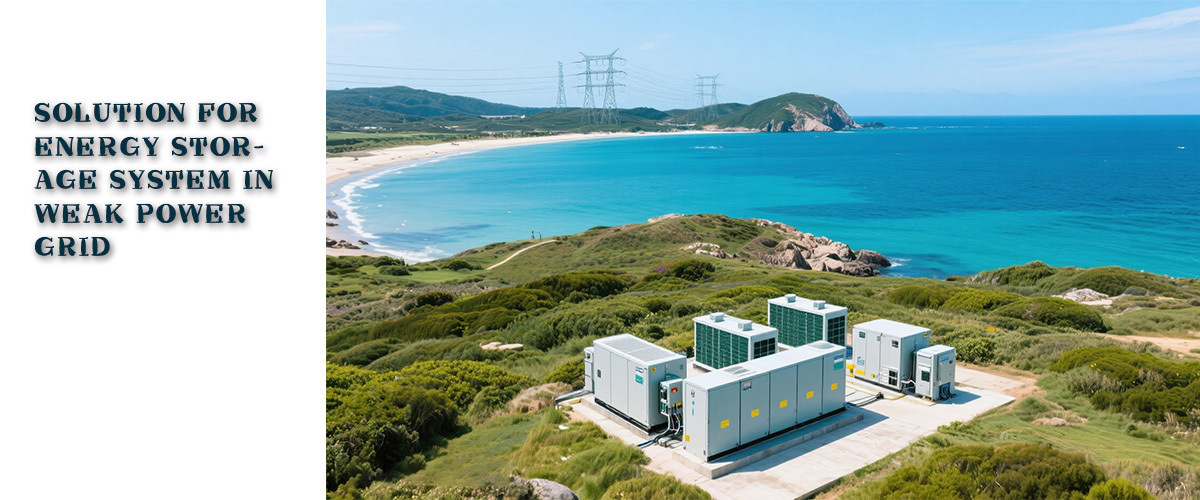
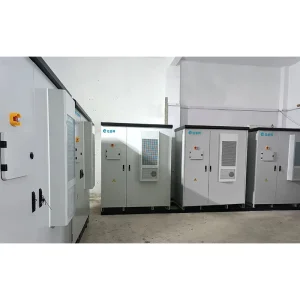
For commercial fleets, industrial depots, and multi-tenant applications, we deliver robust solutions that integrate directly with energy storage systems (BESS). This enables facilities to offset high peak-demand surcharges through localized load balancing.
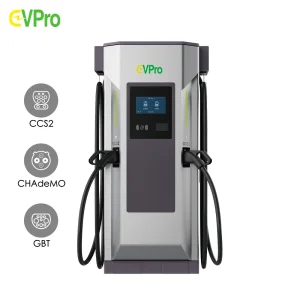
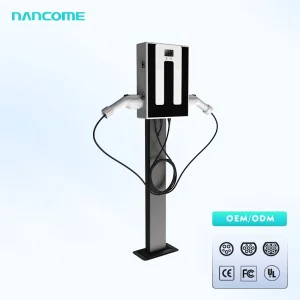
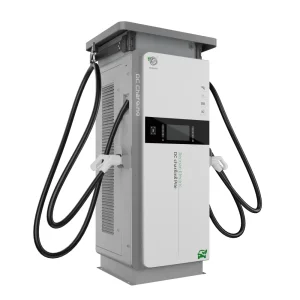
Public charging stations demand high reliability and high-speed throughput. Our dual-connector systems (such as the Reliable Dual CCS2 Connector Fast Charging Solution) maximize utilization rates. Using intelligent dynamic power sharing, the charger splits output between two simultaneously connected vehicles, routing power based on real-time Battery Management System (BMS) requests. This reduces driver wait times and increases site revenue.
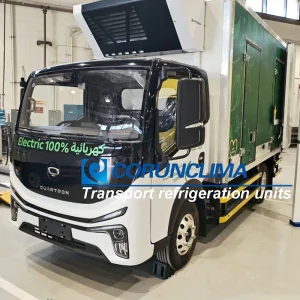
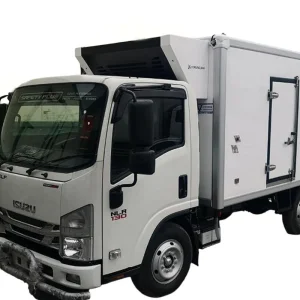
Electric trucks and logistics fleets operate on strict delivery schedules. In these contexts, charging downtime directly impacts the bottom line. Utilizing our high-power DC systems alongside independent refrigeration control units, logistics providers can fast-charge vehicle powertrains while powering secondary trailer subsystems (e.g., our Corunclima Brand refrigeration modules). This dual-path configuration improves fleet energy efficiency.
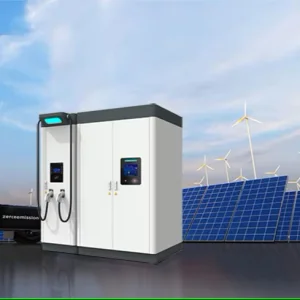
"True interoperability goes beyond hardware connections. It requires real-time coordination between grid capabilities, stationary storage batteries, local solar generation, and the EV's dynamic battery chemistry. Our integrated solar-storage-charging units balance these systems automatically."
In regions where utility connections are limited or expensive, microgrid-tied systems offer a reliable path forward. By combining 100kW DC chargers with 215kWh battery storage and solar integration, commercial centers can charge vehicles using local solar generation. This reduces grid dependence and avoids high demand charges.
Answers to key engineering, integration, and supply chain questions for B2B procurement partners.
Explore our line of smart wallboxes, solar-integrated chargers, and utility-scale energy storage solutions.
 Irvion Charger