Explore our premium selection of dynamic energy storage units, ultra-fast DC chargers, and smart grid integration kits.
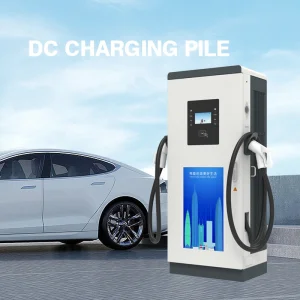
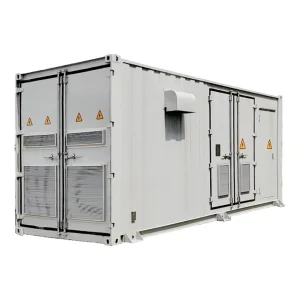
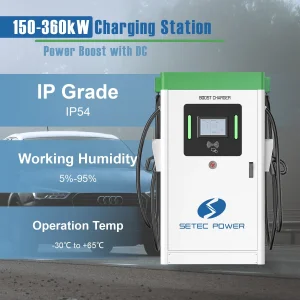
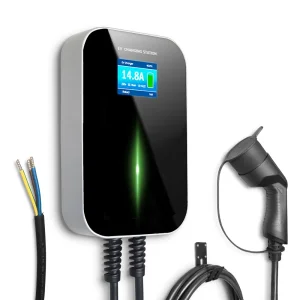
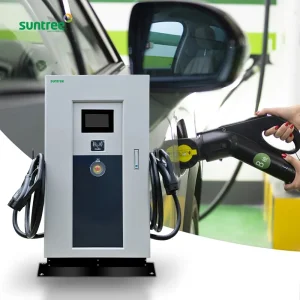
The global transportation sector is undergoing a rapid, structural transition toward electrification. To sustain this momentum, the underlying power distribution networks must evolve beyond passive energy supply routes into active, intelligent nodes of grid management. As a leading hub for advanced electrical manufacturing, China's sustainable charging technologies industry plays an essential role in this transformation. By integrating high-efficiency silicon carbide (SiC) semiconductors, battery energy storage systems (BESS), and standardized grid communication protocols, manufacturing plants are defining the next generation of public and industrial electric vehicle supply equipment (EVSE).
Modern EVSE solutions are no longer evaluated solely by raw power output; they are measured by their energy efficiency, power quality impact, resilience, and software compatibility. For infrastructure developers, municipal transport authorities, and industrial operators, sourcing equipment from factories that adhere to strict global standards is a baseline requirement. Incorporating dynamic load balancing, peak shaving functionalities, and bi-directional vehicle-to-grid (V2G) capabilities directly addresses the capacity constraints faced by distribution system operators (DSOs) worldwide.
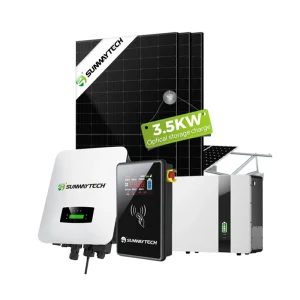
Deploying massive networks of high-power DC charging stations presents major challenges for local grids, primarily regarding peak demand surcharges and transformer overloading. The industry's solution centers on "Solar-Storage-Charging-Discharging" microgrids. In this configuration, solar arrays generate renewable power on-site, localized BESS buffers the grid against sudden spikes in draw, and intelligent EV chargers modulate their supply based on real-time grid conditions.
Utilizing edge computing and cloud-based energy management systems (EMS) allows sites to dynamically limit aggregate consumption, preventing costly grid upgrade requirements and peak utility tariffs.
High-frequency resonance and harmonic distortion (THD) are minimized using active power filters, preserving power quality for adjacent commercial or residential buildings.
Furthermore, bi-directional energy routing enables fleet operators to monetize parked electric vehicles. During times of grid stress, the charger extracts energy from vehicle batteries to support local microgrid stability. This vehicle-to-everything (V2X) capability transforms parked assets from cost centers into active revenue generators.
Worldwide demand for robust sustainable charging solutions is rising rapidly. In the European Union, the Alternative Fuels Infrastructure Regulation (AFIR) mandates minimum power capacities along core highway corridors. In North America, the National Electric Vehicle Infrastructure (NEVI) program enforces strict domestic manufacturing and interoperability guidelines. These policies are accelerating demand for high-capacity, reliable EVSE.
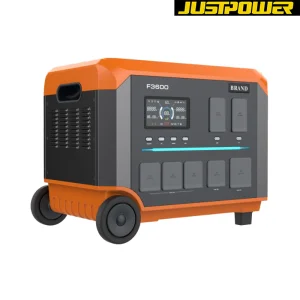
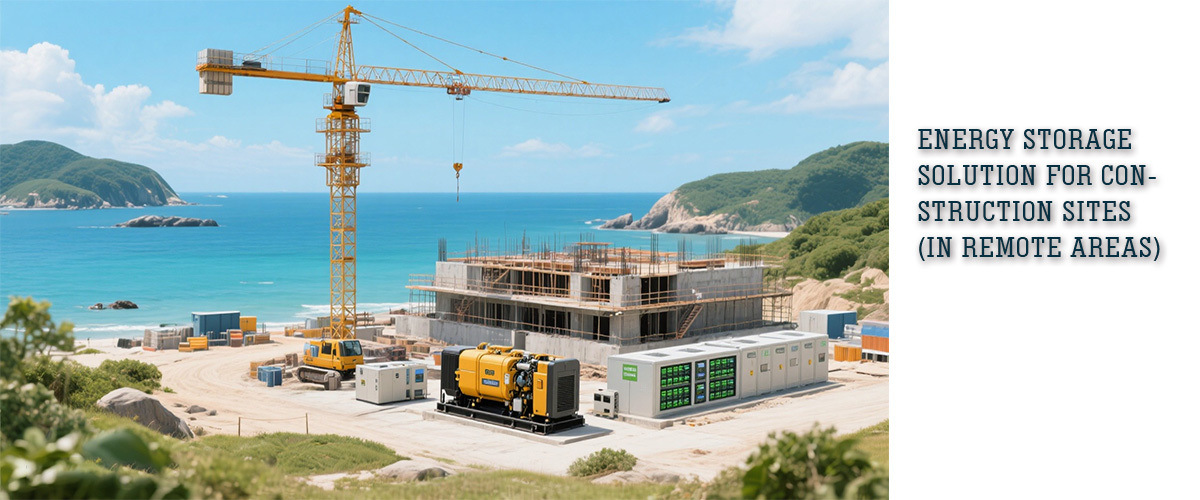
China's manufacturing sector meets these requirements by combining advanced supply chains with cost-efficient production. The integration of domestic battery cells with advanced EVSE development enables the production of high-performance BESS (such as LFP-based 215kWh systems) at scale. This allows industrial facilities, logistics hubs, and ports to quickly deploy MW-scale charging configurations.
Sourcing from overseas factories requires strict alignment with localized safety and grid certification structures. A high-quality charging station must comply with different standards depending on its target region.
Compliance with UL 2202 (standard for safety of DC fast charging equipment) and ETL markings guarantees compatibility with local electrical inspections and federal incentives.
Adherence to TÜV CE-LVD and EMC directives ensures compliance with safety regulations and guarantees that electromagnetic emissions do not interfere with local network infrastructures.
Integrating OCPP 1.6J and OCPP 2.0.1 JSON protocols secures communication between the charger and central management servers, enabling remote updates and user access controls.
Guangzhou Irvion Charger Co., Ltd. is a leading provider of smart EV charging solutions, dedicated to advancing sustainable mobility through innovative and intelligent power management systems. Established with a vision to support the global transition to electric vehicles, Irvion Charger integrates cutting-edge technology, high-quality manufacturing, and customer-focused services to deliver reliable and efficient charging solutions for diverse applications.
Our product portfolio includes home EV chargers, commercial charging stations, and fleet management systems, all designed to optimize energy usage, enhance safety, and provide seamless connectivity. With intelligent software platforms, users can monitor charging status, schedule sessions, and access real-time analytics to maximize efficiency and convenience.
Committed to sustainability and innovation, Guangzhou Irvion Charger Co., Ltd. continuously invests in R&D to develop next-generation charging infrastructure, supporting both residential and commercial clients in achieving their electrification goals. Our solutions comply with international safety standards and are tailored to meet the evolving demands of the rapidly growing EV market.
By combining smart technology, robust engineering, and exceptional customer support, Irvion Charger empowers individuals, businesses, and municipalities to embrace electric mobility confidently, contributing to a cleaner, greener future worldwide.
Our manufacturing facilities feature advanced automated assembly lines, high-power load testing arrays, and climatic simulation chambers. These testing facilities verify that each DC fast charger and energy storage system performs reliably under demanding ambient conditions, from sub-zero northern routes to hot coastal ports.
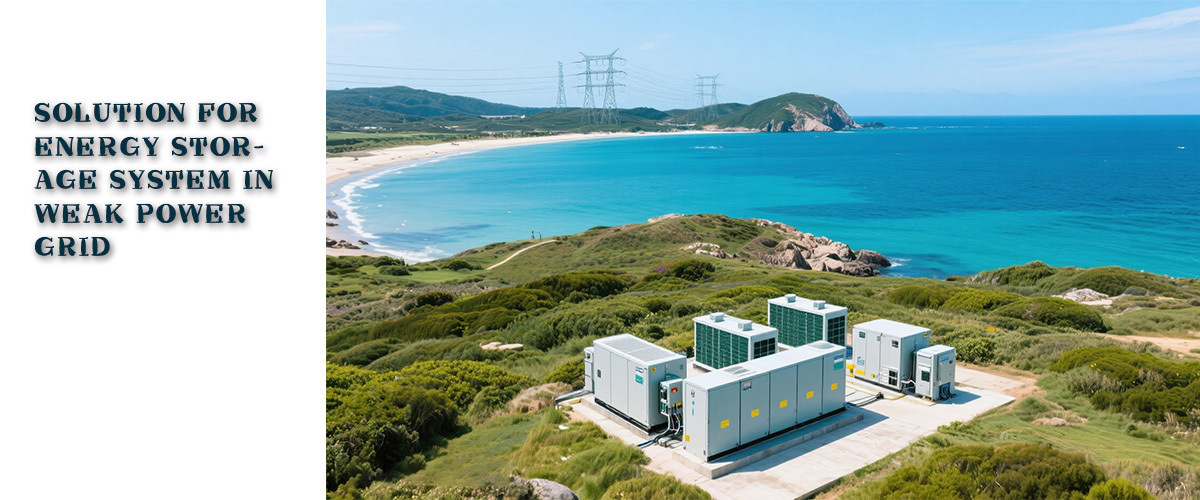
Sustainable power technologies are deployed in diverse operational environments, each requiring distinct hardware configurations:
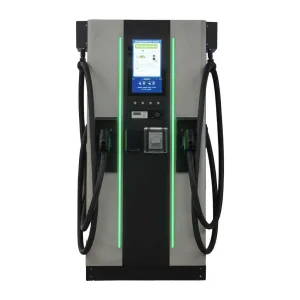
Long-distance travel requires modular fast-charging systems. Units ranging from 30kW to 160kW enable quick charge cycles, helping highway plazas support high traffic volumes without overloading the utility supply.
Modern transport fleets require constant temperature control. Battery-driven refrigeration systems run directly from DC links, maintaining cargo temperature stability without relying on idling diesel engines.
For office plazas and production plants, combining peak-shaving BESS with electric vehicle chargers reduces peak demand penalties, providing a clear path to return on investment.
The EVSE sector is moving toward higher voltage architectures, with 800V and 1000V drivetrains becoming standard in high-end electric vehicles. High-speed charging at these levels requires liquid-cooled cabling systems to manage the heat generated during 400A+ charging cycles.
On the storage front, next-generation solid-state chemistry and high-cycle LFP cells are replacing traditional cobalt-based options. This shift improves thermal stability and prolongs battery lifespan to over 6,000 cycles, helping industrial energy systems achieve cleaner life-cycle evaluations.
High-performance charging accessories, industrial refrigeration kits, and custom off-grid solar EV systems.


Common technical and compliance questions resolved by our systems engineering team.
 Irvion Charger