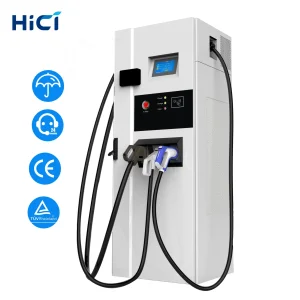
As global economies pivot toward the 2050 Net-Zero targets, the electrification of commercial fleets has transformed from a corporate social responsibility initiative into a core operational necessity. Guangzhou Irvion Charger Co., Ltd. stands at the forefront of this transition, serving as a Tier-1 factory and exporter specializing in CE-certified charging infrastructure. Our role transcends simple manufacturing; we provide the technological backbone for logistics companies, public transport authorities, and corporate entities to de-risk their transition from internal combustion engines to electric powertrains.
The complexity of fleet charging—ranging from dynamic load balancing to grid capacity constraints—requires a level of expertise that off-the-shelf residential chargers cannot provide. Our systems are engineered to offer high Information Gain through integrated IoT platforms, allowing fleet managers to optimize Total Cost of Ownership (TCO) by leveraging peak shaving, demand response, and predictive maintenance analytics.
Navigating the EU’s AFIR (Alternative Fuels Infrastructure Regulation) and various North American incentives requires hardware that is universally compliant. Our CE-certified systems meet all LVD, EMC, and RED directives, ensuring seamless deployment across international borders.
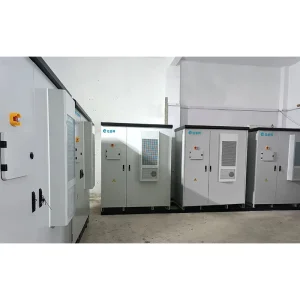
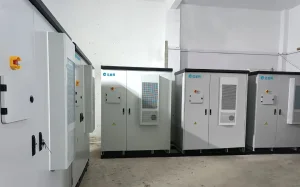
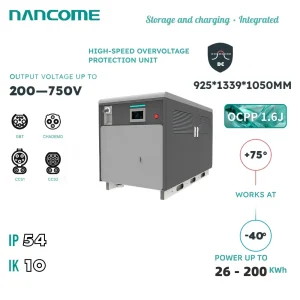
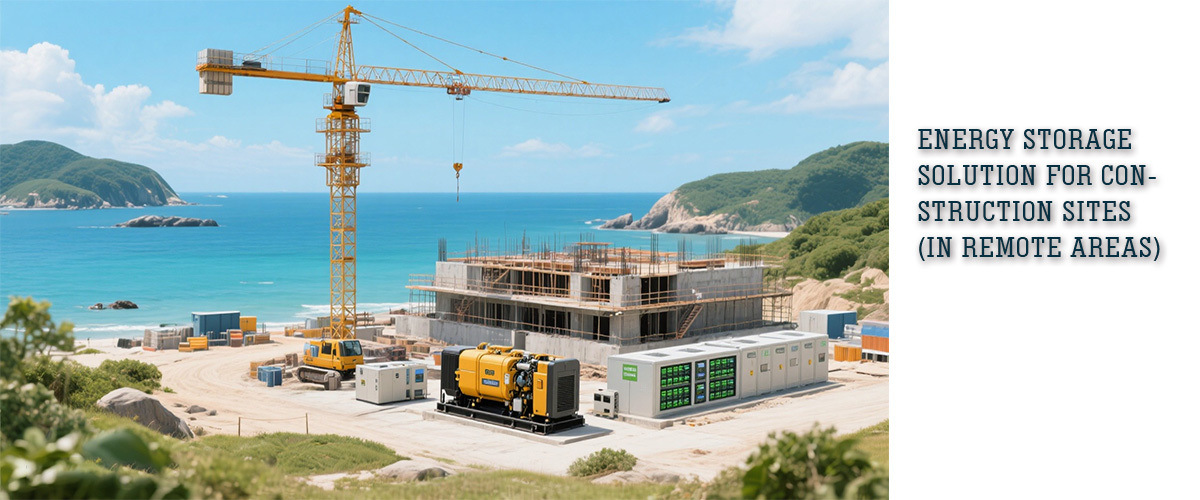
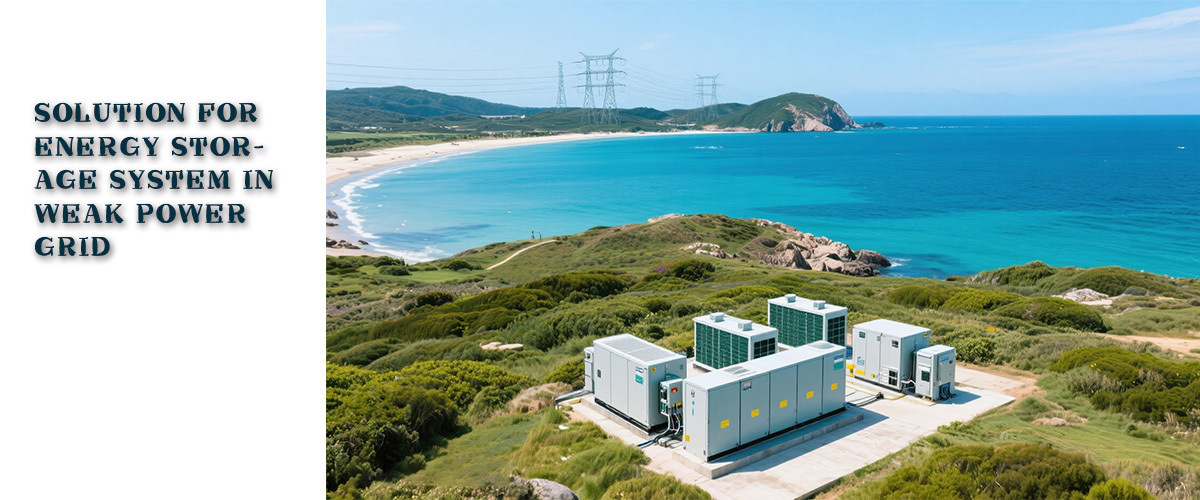
Fleet charging at scale can overwhelm local distribution networks. Our peak-shaving 215kWh energy storage solutions allow facilities to store energy during off-peak hours, mitigating expensive demand charges and ensuring grid stability without costly site upgrades.
Through the Ecosmart Intelligent Adaptive Charging Solution, businesses gain real-time visibility into every kilowatt-hour. This data-driven approach enables precise energy forecasting and audit-ready sustainability reporting for ESG compliance.
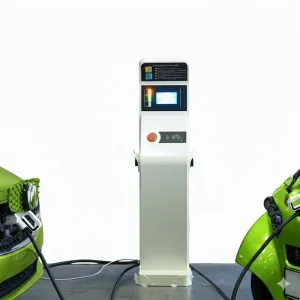
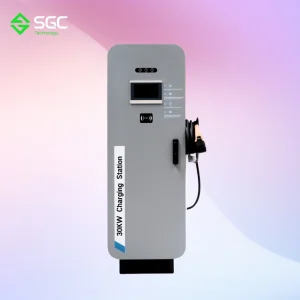
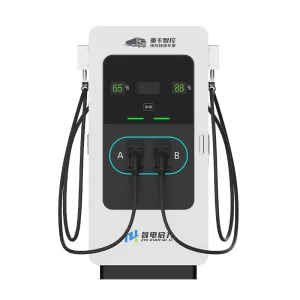
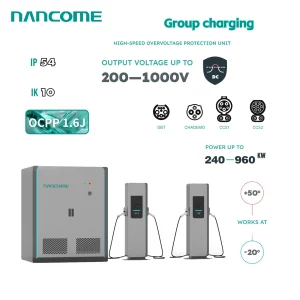
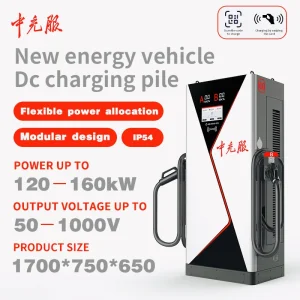
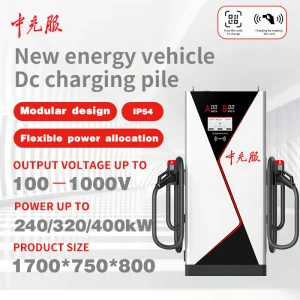
For commercial fleets, downtime is lost revenue. Our 160kW and 320kW DC fast stations feature modular power stacks; if one module fails, the system continues to operate at reduced capacity, maintaining operational continuity.
We provide comprehensive SDKs and APIs for local software integration. Whether it’s connecting to an existing ERP or a localized payment gateway, Irvion’s hardware is designed for deep architectural compatibility.
With the roadmap toward Megawatt Charging Systems (MCS) and V2G (Vehicle-to-Grid), our hardware is built on upgradeable controller platforms that protect your infrastructure investment for the next decade.
The industry is moving beyond the "plug-and-charge" paradigm. The next five years will be defined by Bi-directional Charging and AI-Optimized Load Management. At Guangzhou Irvion Charger Co., Ltd., our R&D investment is focused on three pillars:
By combining smart technology, robust engineering, and exceptional customer support, Irvion Charger empowers individuals, businesses, and municipalities to embrace electric mobility confidently, contributing to a cleaner, greener future worldwide. Our solutions comply with international safety standards and are tailored to meet the evolving demands of the rapidly growing EV market.
CE certification ensures that the equipment meets stringent European safety, health, and environmental protection requirements. For exporters and global enterprises, this minimizes legal risks, ensures compatibility with European grid standards, and simplifies the customs process across the EEA (European Economic Area).
Peak shaving involves using stored energy (from systems like our 215kWh battery) during times of highest demand. Since many utilities charge "demand fees" based on the highest point of usage, lowering that peak can save a business thousands of dollars monthly in electricity costs while preventing the need for expensive infrastructure upgrades.
Yes. Our chargers support OCPP (Open Charge Point Protocol) 1.6J and 2.0.1. This allow for seamless integration with third-party software for billing, load management, and vehicle telematics, providing a unified view of fleet operations.
Type 1 (SAE J1772) is primarily used in North America and Japan, while Type 2 (Mennekes) is the standard in Europe and much of the rest of the world. We provide multi-standard solutions to ensure that global fleets can maintain a consistent charging experience regardless of their location.
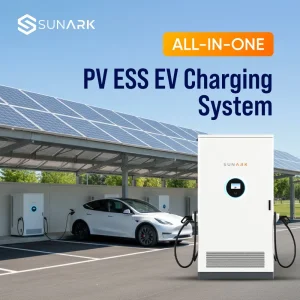
Absolutely. By integrating 40kW to 100kW DC fast chargers with on-site solar arrays, companies can significantly reduce their "Well-to-Wheel" carbon emissions. This setup is particularly effective for hubs where vehicles are parked during daylight hours or where grid capacity is limited.
 Irvion Charger