Deploying robust hardware configurations engineered for global distribution networks, commercial hubs, and private microgrids.

The global race toward net-zero carbon goals is rapidly reshaping commercial transport and microgrid configurations. As regulatory mandates push municipalities and logistics conglomerates to fully retire internal combustion engines, the integrity of localized energy delivery platforms has emerged as the definitive bottleneck. Charge point operators (CPOs), fleet logistics planners, and heavy industrial facilities require zero-emission charging architectures that do not compromise operational uptime or grid stability.
Guangzhou Irvion Charger Co., Ltd. is a leading provider of smart EV charging solutions, dedicated to advancing sustainable mobility through innovative and intelligent power management systems. Established with a vision to support the global transition to electric vehicles, Irvion Charger integrates cutting-edge technology, high-quality manufacturing, and customer-focused services to deliver reliable and efficient charging solutions for diverse applications. Our hardware and software suites comply with strict global grid connectivity protocols, ensuring reliable operations under complex dynamic loads.
Charging devices are evolving from passive electricity consumers into active grid assets. Dynamic bidirectionality (Vehicle-to-Grid) allows vehicles to serve as mobile battery storage reserves, reinforcing utility networks during peak demand periods. Irvion's modular platforms are engineered for easy integration with these local grid ecosystems.
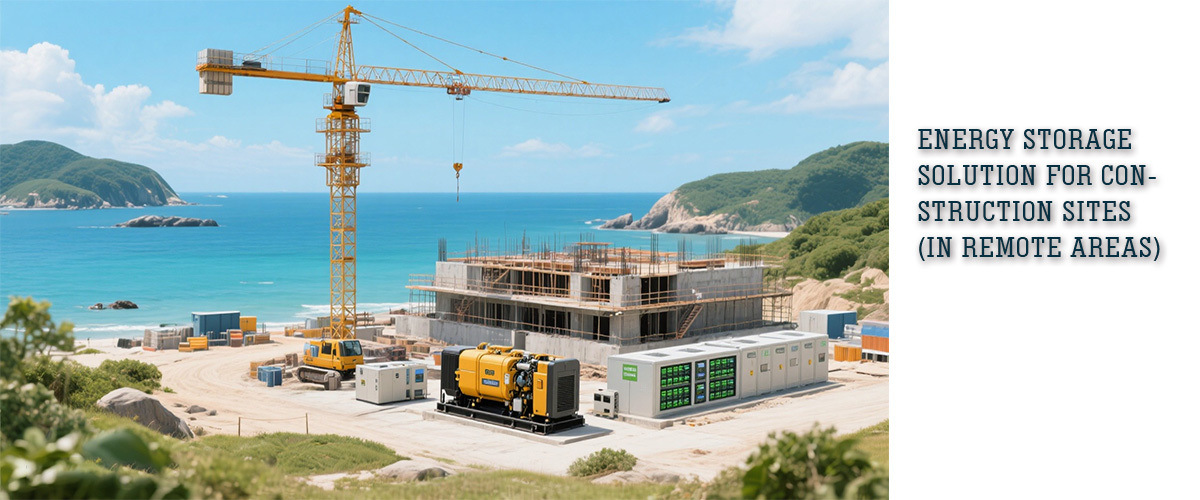
Isolated microgrids that utilize integrated solar photovoltaic (PV) generation and localized battery energy storage systems (BESS) represent the future of clean transport infrastructure. By decoupling the charging load from vulnerable public grids, operators achieve resilient operations and mitigate steep peak-demand tariffs.
Modern commercial transit requires rapid charge times, putting the focus on high-power density liquid-cooled charger topologies. Operating at voltages up to 1000V and utilizing ultra-efficient wide-bandgap (SiC) semiconductors, next-generation chargers optimize heat dissipation and maximize efficiency.
For international procurement offices, municipal authorities, and regional distributors, sourcing zero-emission equipment involves complex regulatory compliance. Global markets enforce unique electrical codes and safety criteria that chargers must satisfy before connection to local grids.
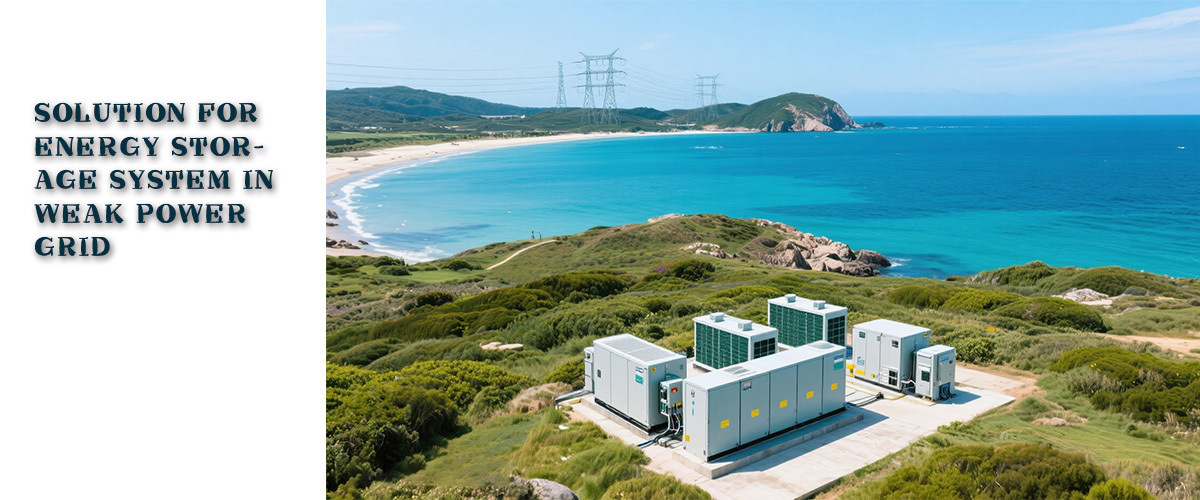
How Guangzhou Irvion combines manufacturing scale, strict quality controls, and localized supply chain integration to deliver high-performance hardware.
Located in the heart of southern China's advanced industrial zone, we maintain deep partnerships with tier-1 raw material suppliers, high-frequency transformer winding plants, and sheet metal fabricators. This proximity minimizes raw material lead times and insulates our manufacturing schedules from international supply chain disruptions.
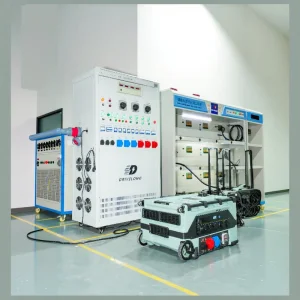
Every charging station undergoes structural testing, including automated optical inspections (AOI), high-voltage isolation tests, and extensive full-load burn-in cycles in environmental chambers. These tests confirm each charger's performance envelope before dispatch.
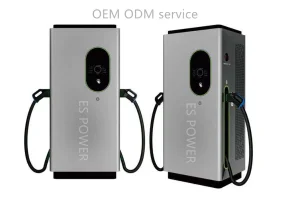
Our engineering division supports custom requirements, offering branding options, specialized mounting brackets, software protocols, and custom enclosure finishes. Guangzhou Irvion delivers tailormade charging options to match specific branding and installation requirements.
"Our product portfolio includes home EV chargers, commercial charging stations, and fleet management systems, all designed to optimize energy usage, enhance safety, and provide seamless connectivity. With intelligent software platforms, users can monitor charging status, schedule sessions, and access real-time analytics to maximize efficiency and convenience. Committed to sustainability and innovation, Guangzhou Irvion Charger Co., Ltd. continuously invests in R&D to develop next-generation charging infrastructure, supporting both residential and commercial clients in achieving their electrification goals."
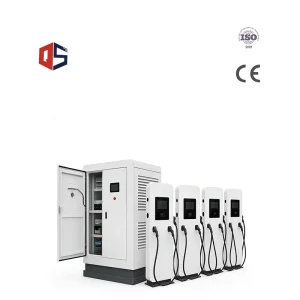
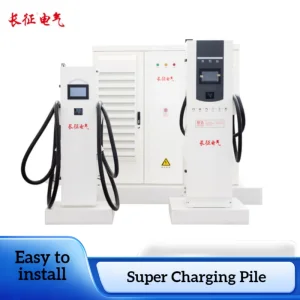
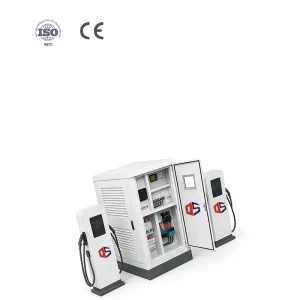
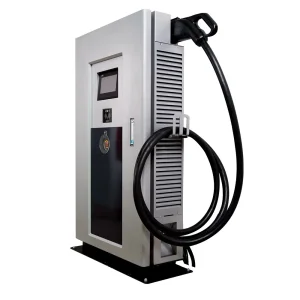
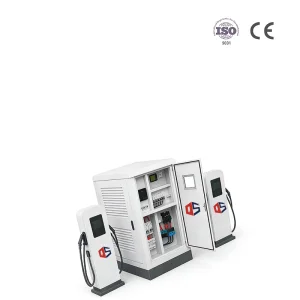
Logistics operators need fast turnaround times for their medium and heavy-duty vehicles. Our floor-standing dual-gun DC chargers (ranging from 60kW to 240kW) support dynamic power allocation. They allow two commercial vehicles to charge simultaneously, maximizing hub efficiency.
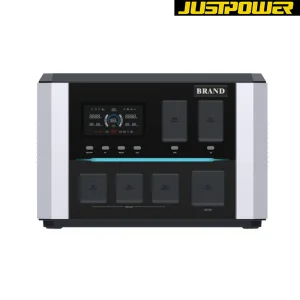
For remote mining facilities, agricultural estates, and highway service plazas where grid connections are limited, our integrated Solar Storage & Charging Solutions provide reliable, independent power. These setups run on solar generation and stackable battery storage systems.
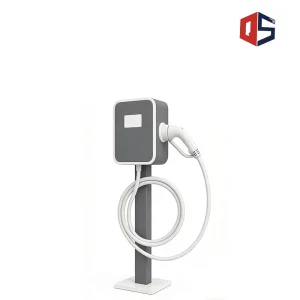
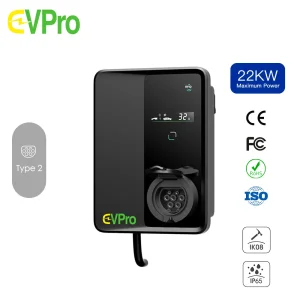
Urban retail facilities, multi-family housing projects, and public parking decks require compact, user-friendly solutions. Our smart Wallbox chargers (7kW/11kW/22kW) feature RFID controls, mobile app integration, and load-balancing software to prevent overloading local building power grids.
"By combining smart technology, robust engineering, and exceptional customer support, Irvion Charger empowers individuals, businesses, and municipalities to embrace electric mobility confidently, contributing to a cleaner, greener future worldwide."
Integrating reliable power electronics, adapters, and accessories to support global charging operations.
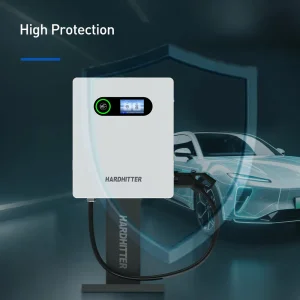
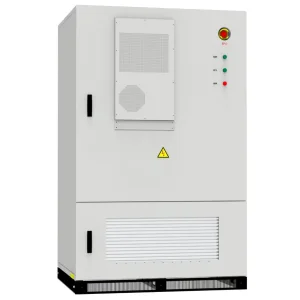
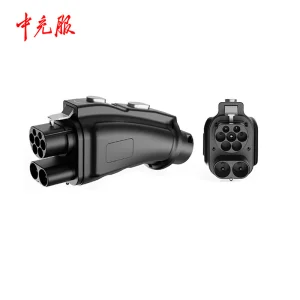
Modern high-voltage charging systems face challenges from high thermal loads, power losses during AC-to-DC conversion, and electric noise feedback on local grids. Solving these challenges requires precision engineering and carefully selected materials.
Traditional silicon switches suffer from notable switching losses under high voltages. Our advanced power modules utilize Silicon Carbide (SiC) MOSFETs, which reduce switching energy losses by up to 50%. This enables higher operating temperatures, reduces heatsink requirements, and extends the service life of critical system components.
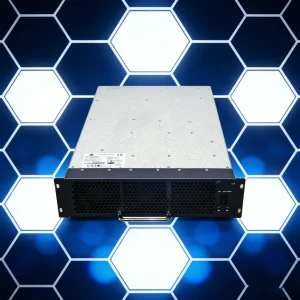
System downtime directly impacts revenue for charge point operators. Our DC fast charging systems utilize a modular power architecture. If an individual power module encounters an issue, the system isolates it, allowing the remaining modules to continue operating and keep the station active.
High-capacity electrical draws can introduce harmonic distortion into local utility grids. Our active Power Factor Correction (PFC) modules maintain the power factor above 0.99, reducing Total Harmonic Distortion (THD) to under 5%. This protects surrounding facility equipment from electrical noise and voltage sags.
 Irvion Charger