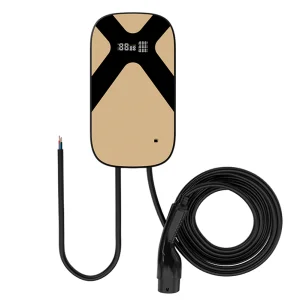
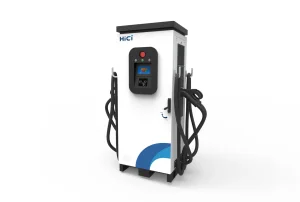
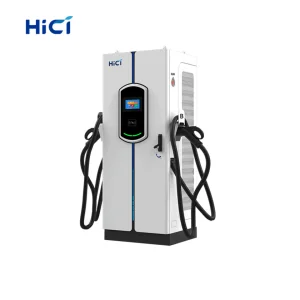
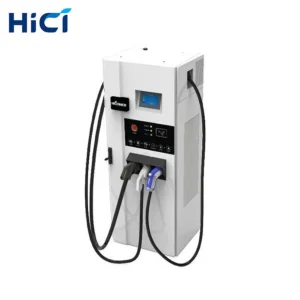
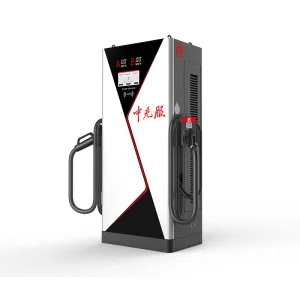
Engineered for high-density fleet hubs, highway commercial corridors, and municipal EV ecosystems in Georgia and global markets.

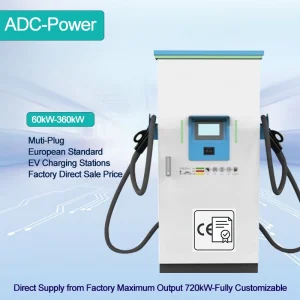
The state of Georgia has rapidly transformed into the undeniable center of gravity for electric vehicle manufacturing, battery production, and clean tech supply chains in the North American Southeast. Dubbed the "Electric Freight Corridor of the Sunbelt," Georgia’s strategic investments—anchored by mega-projects such as Hyundai’s Bryan County Metaplant, SK Innovation’s battery gigafactory in Commerce, and Rivian’s planned campus—have generated an unprecedented demand for robust, high-capacity charging infrastructure.
Central to this infrastructure expansion is the shift from legacy single-port charging stations to advanced Multi-Port DC Fast Charging (DCFC) Architecture. As fleet operators, Charge Point Operators (CPOs), and commercial real estate developers navigate high utility demand charges and grid capacity constraints, multi-port technology provides the necessary power-sharing matrix to maximize megawatt throughput per square foot of real estate.
As direct factory suppliers and engineering partners, tier-1 manufacturers must fulfill dual imperatives: complying with stringent North American regulatory mandates (such as NEVI requirements and UL safety standards) while leveraging high-efficiency global production chains to optimize capital expenditure (CapEx) for local buyers.
Understanding how dynamic power matrixing outperforms legacy static power allocation systems in commercial environments.
Traditional charging stations lock individual dispensers into fixed power outputs (e.g., two 150kW ports constrained to 150kW each regardless of vehicle uptake). Next-generation multi-port split-cabinet architectures employ smart liquid-cooled power matrix switches.
When an EV capable of taking only 50kW connects alongside an 800V architecture vehicle demanding 250kW, the multi-port matrix automatically redirects unused 20kW/30kW power modules dynamically. This prevents idle stranded capacity and increases site energy efficiency by up to 38%.
Modern fast-charging stacks utilize Third-Generation Silicon Carbide (SiC) MOSFET semiconductor modules replacing older Silicon (Si) IGBT technology. SiC modules operate at significantly higher switching frequencies with minimized thermal losses, maintaining thermal stability under continuous peak loads in Georgia's humid, high-temperature summer environments.
Key technical benefits include: low switching loss, reduced heat footprint, smaller cabinet physical envelope, and active power factor correction (PFC > 0.99).
| Specification Metric | Legacy Single-Port DCFC | Dual-Port Integrated DCFC | Advanced Multi-Port Charging Stack (4-8 Ports) |
|---|---|---|---|
| Total System Capacity | 60kW - 150kW | 120kW - 240kW | 360kW - 600kW Dynamic Stack |
| Connector Options | CCS1 or NACS | CCS1 + NACS Dual | Multi-Gun (CCS1, NACS, Euro-Type2, MCS Ready) |
| Power Module Distribution | Fixed Internal Modules | 50/50 Static Split | 20kW / 30kW Dynamic Granular Switch Matrix |
| Peak Thermal Efficiency | 91.0% - 93.5% | 94.0% | 96.5% (Liquid-Cooled Busbar & SiC Modules) |
| OCPP Compliance | OCPP 1.6J | OCPP 1.6J / 2.0.1 | Native OCPP 2.0.1 + ISO 15118 (Plug & Charge) |
Deploying high-power multi-port chargers in Georgia requires careful alignment with regional logistics patterns, utility tariff structures, and localized municipal zoning laws.
Georgia serves as the primary distribution hub connecting Florida to the Midwest. Heavy-duty freight and last-mile delivery fleets operating out of Savannah and Atlanta logistics parks require multi-port charging stacks capable of serving class 6-8 trucks simultaneously with high-voltage (200V-1000V) wide output windows.
As the world's busiest airport, Hartsfield-Jackson Atlanta International Airport operates vast ground support equipment (GSE), rental vehicle fleets, and rideshare hubs. Multi-port chargers enable high-density parking spaces to charge dozens of vehicles during short turnaround windows without requiring costly transformer upgrades for each bay.
Urban commercial properties across Metro Atlanta utilize multi-port chargers to serve both fleet vans overnight and retail shoppers during daytime peak hours, leveraging scheduled firmware profiles to balance load during high Georgia Power demand-charge periods.
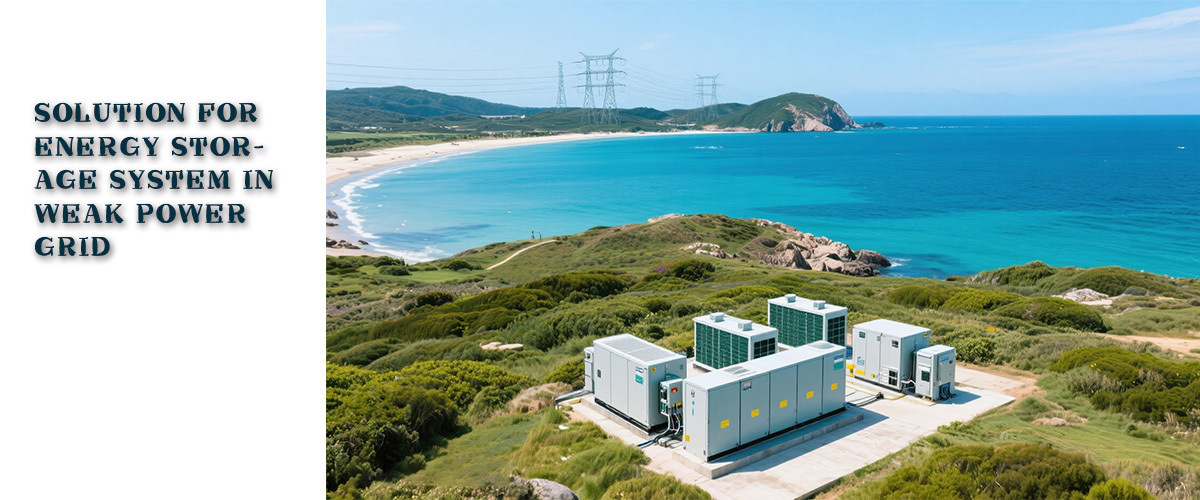
Commercial utility tariffs in Georgia frequently include substantial demand charges ($/kW) based on peak 15-minute intervals. Operating high-power chargers without intelligent dynamic balancing can lead to unsustainable operational expenditures. Our multi-port systems integrate Peak Shaving Algorithms and local battery energy storage system (BESS) communication protocols to ensure total station power draw remains strictly capped under specified peak limits.
Bridging Direct Factory Manufacturing Speed with Georgia Local Market Specifications
Guangzhou Irvion Charger Co., Ltd. leverages the world’s most advanced electronics manufacturing ecosystem. By controlling the entire lifecycle from PCB design and power module encapsulation to industrial sheet metal fabrication, our automated SMT lines achieve operational cost efficiency unmatched by regional assemblers.
This direct-from-factory structure allows Georgia project developers, EPC contractors, and CPOs to acquire commercial-grade hardware at optimized cost points, accelerating return on investment (ROI) by 18 to 24 months.
Every multi-port DC fast charger undergoes extensive end-of-line (EOL) automated testing, thermal stress simulation, and full-load burn-in testing under elevated humidity conditions. Our units carry certifications compliant with global standards, including UL 2202, UL 2594, CE, and ISO 9001 quality system management.
We offer full support for custom firmware integration, localized NACS/CCS1 cable assemblies, and customized white-label cabinetry for major brands.
Guangzhou Irvion Charger Co., Ltd. is a leading provider of smart EV charging solutions, dedicated to advancing sustainable mobility through innovative and intelligent power management systems. Established with a vision to support the global transition to electric vehicles, Irvion Charger integrates cutting-edge technology, high-quality manufacturing, and customer-focused services to deliver reliable and efficient charging solutions for diverse applications.

Our product portfolio includes home EV chargers, commercial charging stations, and fleet management systems, all designed to optimize energy usage, enhance safety, and provide seamless connectivity. With intelligent software platforms, users can monitor charging status, schedule sessions, and access real-time analytics to maximize efficiency and convenience.
Committed to sustainability and innovation, Guangzhou Irvion Charger Co., Ltd. continuously invests in R&D to develop next-generation charging infrastructure, supporting both residential and commercial clients in achieving their electrification goals. Our solutions comply with international safety standards and are tailored to meet the evolving demands of the rapidly growing EV market.
By combining smart technology, robust engineering, and exceptional customer support, Irvion Charger empowers individuals, businesses, and municipalities to embrace electric mobility confidently, contributing to a cleaner, greener future worldwide.
Explore our full range of scalable charging infrastructure engineered for fleet terminals, highway fast-charging networks, and commercial destinations.
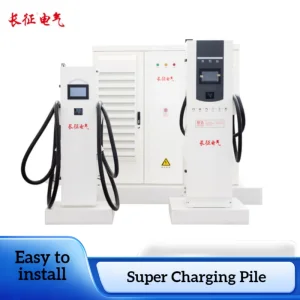
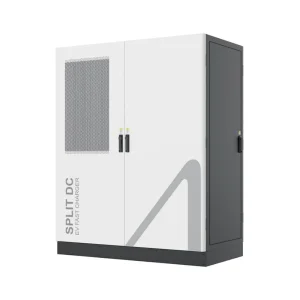
The electric mobility infrastructure landscape is evolving rapidly. Multi-port charger procurement strategies must account for technological advancements to avoid early equipment obsolescence.
While current commercial fleets utilize 150kW-360kW DCFCs, heavy-duty logistics trucks are moving toward MCS standards capable of transferring up to 1.2MW. Multi-port split cabinets designed with modular power architecture allow seamless drop-in upgrades to MCS output modules without replacing site-wide utility transformers.
With major automakers transitioning to the North American Charging Standard (NACS / SAE J3400), multi-port chargers must support native NACS connectors alongside existing CCS1 ports. Our factory offers dual-cable configurations with integrated mechanical strain-relief and active liquid-cooled cable management.
Next-generation multi-port platforms incorporate ISO 15118-20 bidirectional power transfer capabilities. Fleet operators can transform idle parked vehicles into distributed energy resources (DERs), injecting power back into Georgia's grid during peak summer pricing windows.
Expert insights on multi-port EV charger manufacturing, Georgia market compliance, and operational efficiency.
Partner directly with Guangzhou Irvion Charger Co., Ltd. for factory-direct multi-port EV chargers engineered to meet your technical and economic project demands in Georgia and worldwide.
 Irvion Charger