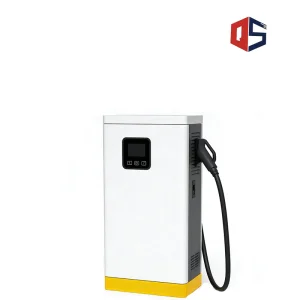
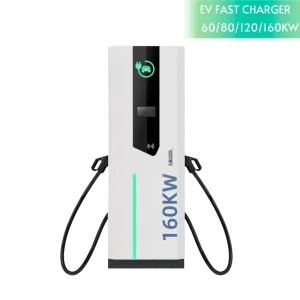
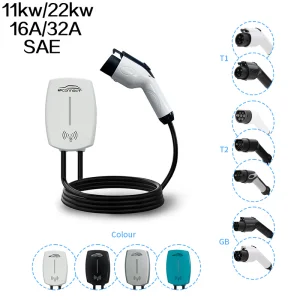
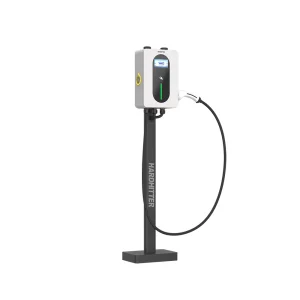
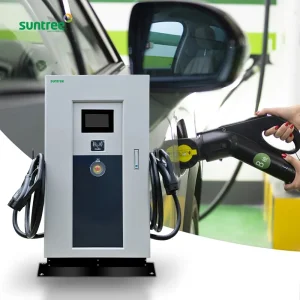
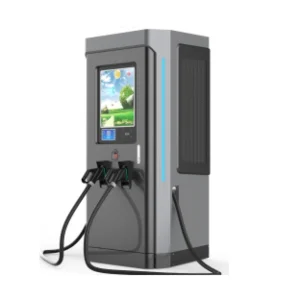
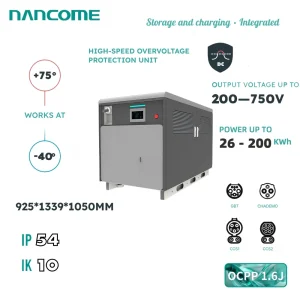
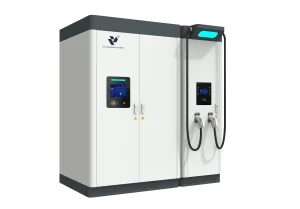
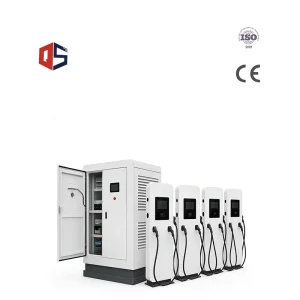
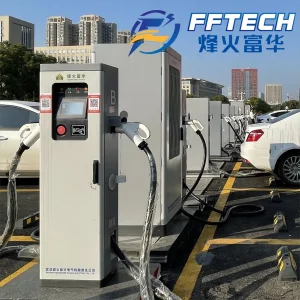
Explore our baseline customized systems designed for rapid deployment, multi-protocol integration, and rugged efficiency.
Designing power infrastructure that bridges grid capacity constraints with the rising global demand for localized mobility electrification.
By implementing real-time load shedding algorithms, our custom charging hardware prevents local grid transformers from overloading. Our OEM solutions dynamically scale electrical current across multi-point chargers, optimizing power margins without upgrading substation infrastructure.
We craft high-efficiency bidirectional charging topologies based on ISO 15118 protocol stacks. This enables charging stations to operate as decentralized energy assets, discharging vehicle battery reserves back to the regional grid during periods of peak peak-demand pricing.
Our custom DC fast solutions are native-engineered to pair with PV arrays and stationary battery energy storage systems (BESS). Using proprietary energy routing, these systems prioritize localized solar energy usage to significantly lower operational TCO.
Analyzing the paradigm shift in industrial mobility: From commoditized off-the-shelf EV chargers to customized fleet-specific hardware systems.
Across North America, Europe, and Asia-Pacific, the rollouts of heavy-duty and light-duty commercial EVs have highlighted the limits of standard charging units. Public transit fleets, logistics corporations, and commercial operators require custom power curves, durable chassis profiles, and specialized branding integrations to ensure compatibility with localized grid norms. Additionally, regional deployment targets call for specialized environmental considerations, such as extreme thermal operational ranges and IP66 marine-grade resistance.
As a global OEM/ODM manufacturer, we focus on engineering the entire charging station life cycle—offering specialized casing design, structural safety optimization, dynamic software connectivity, and modular power unit updates. Our manufacturing capabilities help clients bypass global supply bottlenecks by implementing flexible platform configurations that fit local installation requirements.
Discover the core vision and manufacturing dedication of Guangzhou Irvion Charger Co., Ltd.
Guangzhou Irvion Charger Co., Ltd. is a leading provider of smart EV charging solutions, dedicated to advancing sustainable mobility through innovative and intelligent power management systems. Established with a vision to support the global transition to electric vehicles, Irvion Charger integrates cutting-edge technology, high-quality manufacturing, and customer-focused services to deliver reliable and efficient charging solutions for diverse applications.
Our product portfolio includes home EV chargers, commercial charging stations, and fleet management systems, all designed to optimize energy usage, enhance safety, and provide seamless connectivity. With intelligent software platforms, users can monitor charging status, schedule sessions, and access real-time analytics to maximize efficiency and convenience.
Committed to sustainability and innovation, Guangzhou Irvion Charger Co., Ltd. continuously invests in R&D to develop next-generation charging infrastructure, supporting both residential and commercial clients in achieving their electrification goals. Our solutions comply with international safety standards and are tailored to meet the evolving demands of the rapidly growing EV market.
By combining smart technology, robust engineering, and exceptional customer support, Irvion Charger empowers individuals, businesses, and municipalities to embrace electric mobility confidently, contributing to a cleaner, greener future worldwide.


A structured, quality-controlled development path from initial component configuration to international compliance testing.
Custom CAD modeling, mechanical simulations, and custom branding integrations designed to match client specifications.
Selecting optimal power topologies, heat dissipation pathways, and choosing between liquid or forced-air cooling methods.
Implementing OCPP 1.6J/2.0.1 stacks alongside customized user interfaces (UI) and mobile management applications.
Rigorous certification reviews to meet international safety frameworks (CE, TUV, UL, CB, UKCA, RoHS, and FCC).
High-precision assembly, dynamic end-of-line load testing, and logistics coordination for global shipping.
Addressing international charging interfaces and communication parameters across regions.
Our OEM models support CCS1, CCS2, CHAdeMO, and GB/T connector styles. We adjust the internal circuitry to support common grid standards worldwide, including North American 208V/240V/480V networks and European 230V/400V three-phase setups.
We deploy standard OCPP protocols to ensure compatibility with major commercial central management systems (CMS). Our team also offers custom API integration to link charging hardware with existing customer software systems.
Our custom enclosures feature IP54, IP55, and IP65 protection classes. They are constructed to handle harsh weather conditions, including blowing dust, heavy rainfall, high UV levels, and saline costal environments.
Bespoke charging infrastructure engineered to handle real-world challenges across commercial, municipal, and industrial segments.
Heavy-duty charging systems built for quick turnaround times at logistics depots. Features include scheduling software, automated load distribution, and integrated cable management systems.
Vandal-resistant steel casings equipped with outdoor-rated touchscreens, POS card terminals, advertising screens, and low-maintenance internal assemblies.
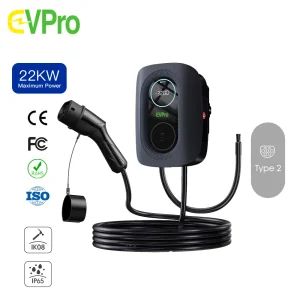
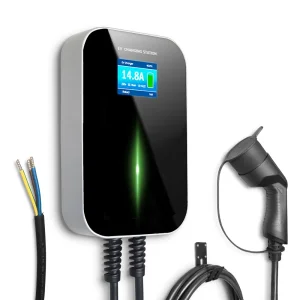
Smart, compact AC wallboxes with integrated RFID access controls, MID energy metering, and dynamic balancing capabilities to prevent local service upgrades.
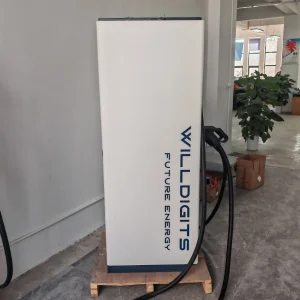
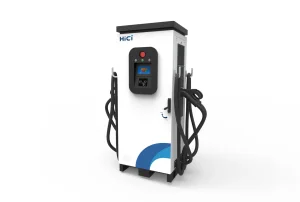
High-capacity DC fast chargers featuring split-cabinet power units, cooled cables, and customizable pantograph charging configurations for heavy vehicles.
Our ongoing R&D efforts are focused on key developments shaping the next generation of global electromobility infrastructure.
As charging technology moves toward higher power outputs and bidirectional power flows, we are continuously updating our design capabilities. We are currently developing ultra-high-power Megawatt Charging Systems (MCS) to support long-haul electric commercial vehicles. Our engineering teams are also incorporating silicon carbide (SiC) semiconductor modules into our charger designs, which improves power conversion efficiency and reduces thermal loss.
We are also focused on building AI-enabled edge nodes directly into our charging hardware. These onboard processors analyze local grid conditions and vehicle status in real time, helping to prevent hardware faults, optimize charging curves, and enable seamless plug-and-charge (ISO 15118-20) experiences without cloud dependencies.
Detailed technical answers to common questions asked by Charge Point Operators (CPOs), engineers, and distribution partners.
Heavy-duty charging systems engineered for long service life, public transit applications, and fleet operations.
 Irvion Charger