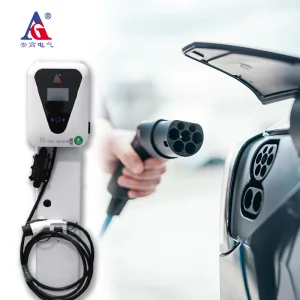
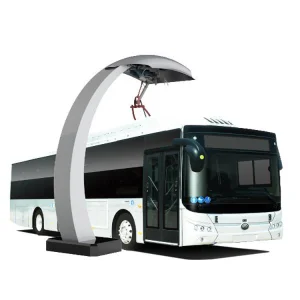
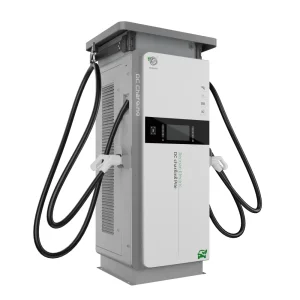
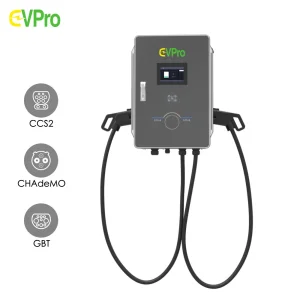
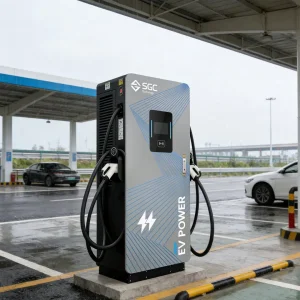
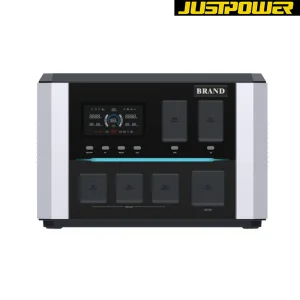
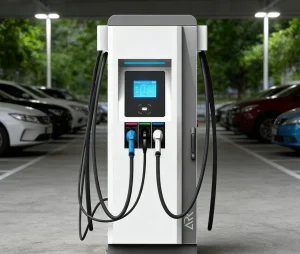
Industry-leading hardware engineered for reliability and high performance.
Expert insights into why China leads the global EVSE (Electric Vehicle Supply Equipment) sector.
China's dominance in Home EV charging unit manufacturing is rooted in its comprehensive ecosystem. From raw semiconductor procurement to advanced plastic injection molding and high-grade copper winding, every component is sourced within a tight industrial radius. This reduces lead times by up to 40% compared to Western counterparts.
Top Chinese factories like Guangzhou Irvion Charger Co., Ltd. utilize "Agile Manufacturing." This allows for the rapid integration of new protocols like OCPP 2.0.1 and ISO 15118 (Plug & Charge) into hardware months before they become mainstream in other markets.
By leveraging economies of scale, Chinese manufacturers offer "Information Gain" through cost-efficiency without compromising on E-E-A-T principles. Stringent quality control and CE/TUV/UL certifications ensure that "Made in China" translates to "World Class Reliability."
A deep dive into the technological shifts defining the next decade.
The global EV infrastructure is transitioning from simple power delivery to Smart Energy Management. The primary trend is the shift toward V2X (Vehicle-to-Everything) technology. Home charging units are no longer passive appliances; they are becoming active nodes in a decentralized smart grid. Bi-directional charging allows homeowners to use their vehicle's battery to power their homes during peak tariff hours, effectively reducing household energy costs by up to 30%.
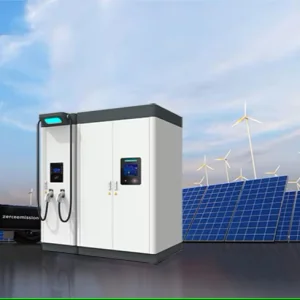
Another critical trend is PV-ESS-EV Integration (Photovoltaic-Energy Storage-EV Charging). Leading manufacturers are now focusing on unified systems where solar panels, home batteries, and EV chargers are controlled by a single AI-driven software layer. This ensures that vehicles are charged using 100% green energy whenever possible, aligning with global ESG (Environmental, Social, and Governance) goals.
Furthermore, Cybersecurity in EVSE has become a paramount concern. As chargers become IoT devices, factories are implementing hardware-based security modules (HSM) to protect against grid-side cyberattacks. This level of sophistication is what separates top-tier manufacturers from generic assembly plants.
Recognized leadership in smart power management systems.
Guangzhou Irvion Charger Co., Ltd. is a leading provider of smart EV charging solutions, dedicated to advancing sustainable mobility through innovative and intelligent power management systems. Established with a vision to support the global transition to electric vehicles, Irvion Charger integrates cutting-edge technology, high-quality manufacturing, and customer-focused services to deliver reliable and efficient charging solutions for diverse applications.
Our product portfolio includes home EV chargers, commercial charging stations, and fleet management systems, all designed to optimize energy usage, enhance safety, and provide seamless connectivity. With intelligent software platforms, users can monitor charging status, schedule sessions, and access real-time analytics to maximize efficiency and convenience.
Committed to sustainability and innovation, Guangzhou Irvion Charger Co., Ltd. continuously invests in R&D to develop next-generation charging infrastructure, supporting both residential and commercial clients in achieving their electrification goals. Our solutions comply with international safety standards and are tailored to meet the evolving demands of the rapidly growing EV market.
By combining smart technology, robust engineering, and exceptional customer support, Irvion Charger empowers individuals, businesses, and municipalities to embrace electric mobility confidently, contributing to a cleaner, greener future worldwide.
Tailoring charging technology to specific environmental and regional needs.
In high-density cities like London or New York, load balancing is vital. Our Dynamic Load Management (DLM) systems allow 50+ chargers to operate on a single building's supply without tripping the main breaker, prioritizing vehicles based on departure time.
For the North American market, our Level 2 AC chargers (up to 48A) integrate with Alexa and Google Home, allowing users to start charging via voice command or schedule it for "off-peak" utility hours automatically.
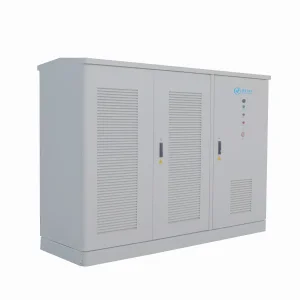
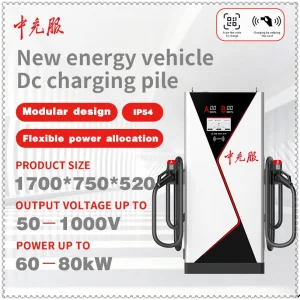
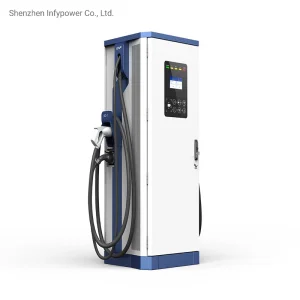
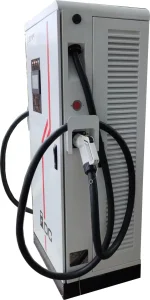
Logistics companies require ruggedized DC fast chargers with dual-gun capabilities. Our 180kw-360kw units are designed for heavy-duty cycle operations in extreme temperatures (-30°C to +55°C).
Beyond hardware—building the future of energy ecosystems.
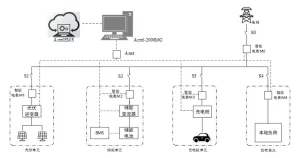
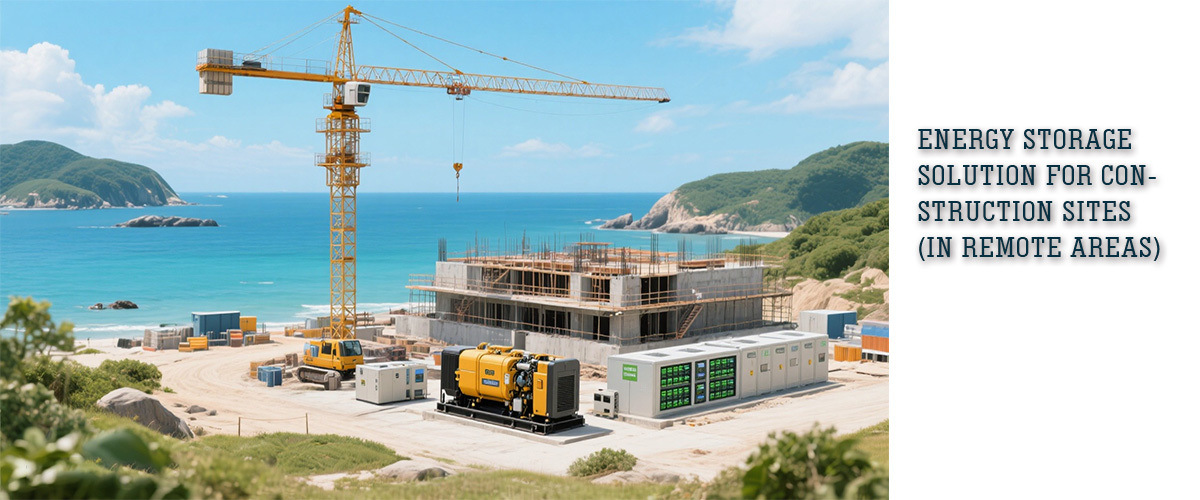
Large-scale enterprises are now looking for turnkey solutions that include Microgrid Energy Management Systems (EMS). By combining our Acrel-2000mg monitoring with high-capacity 215kwh Backup Power Solutions, businesses can maintain operations during grid outages and reduce their carbon footprint simultaneously. This panoramic analysis allows for real-time visualization of energy flow, from the rooftop solar array to the EV's battery.
Essential checklist for B2B procurement of EV charging units from China.
Ensure products hold CE (LVD/EMC), TUV, RoHS, or UL listings specific to your region's safety protocols.
Confirm OCPP 1.6J compatibility as a minimum to ensure your hardware can talk to any management backend.
For outdoor use, IP54 or IP65 ratings are non-negotiable to protect against dust and heavy rain.
Look for factories offering at least a 24-month warranty and 24/7 technical remote diagnostic support.
Heavy-duty and specialized charging equipment for diverse needs.
Answering the most critical questions from global procurement directors.
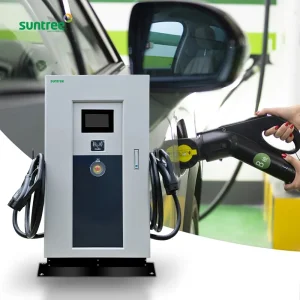
A: Level 2 charging uses 240V AC power, typically delivering 7kw to 22kw, ideal for overnight home charging. Level 3 (DC Fast Charging) converts AC to DC within the station itself, allowing for 30kw to 100kw+ speeds, though these are typically used for commercial or high-end residential energy storage integrated systems due to their high power draw.
A: Safety is integrated at the hardware level with over-voltage, under-voltage, ground fault, and surge protection. Additionally, our stations feature liquid cooling for units over 180kw and real-time thermal monitoring of the charging gun to prevent overheating.
A: Yes. Our smart grid integrated chargers support "Green Mode," which communicates with your solar inverter to ensure the car only draws power when there is excess solar production, maximizing your self-consumption of renewable energy.
A: OCPP (Open Charge Point Protocol) is the industry standard for communication between the charger and the management software. Version 1.6J allows for "JSON" over WebSockets, enabling advanced features like smart charging, remote diagnostics, and seamless integration with third-party billing platforms.
A: With high-quality components and proper installation, our units are designed for a 10-year service life. We use automotive-grade electronics and weather-resistant enclosures to ensure longevity even in harsh coastal or high-humidity environments.
 Irvion Charger