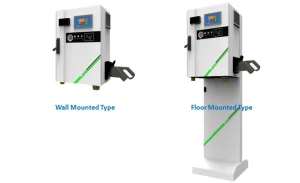
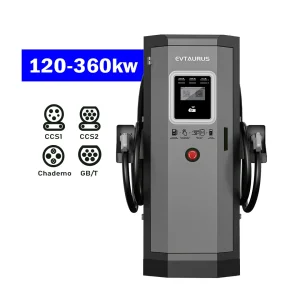
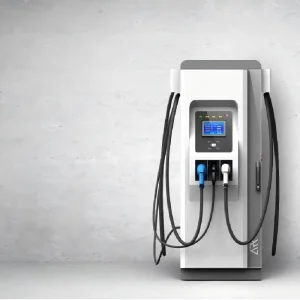
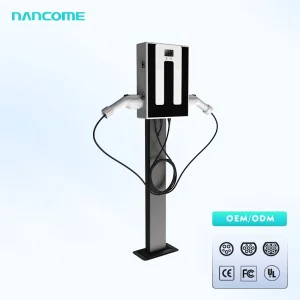
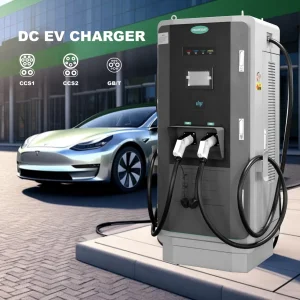
Explore our premium selection of state-of-the-art charging units engineered to meet modern grids, regulatory specifications, and high-uptime commercial scenarios.
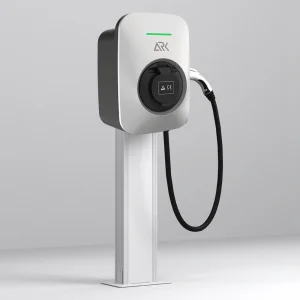
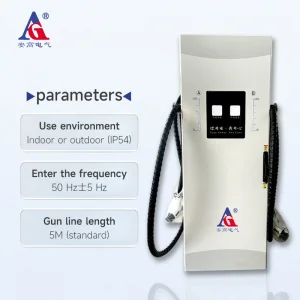
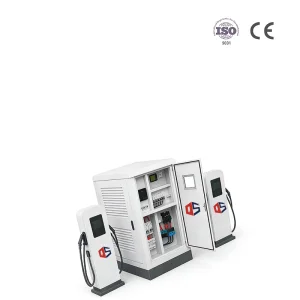
Guangzhou Irvion Charger Co., Ltd. is a leading provider of smart EV charging solutions, dedicated to advancing sustainable mobility through innovative and intelligent power management systems. Established with a vision to support the global transition to electric vehicles, Irvion Charger integrates cutting-edge technology, high-quality manufacturing, and customer-focused services to deliver reliable and efficient charging solutions for diverse applications.
Our product portfolio includes home EV chargers, commercial charging stations, and fleet management systems, all designed to optimize energy usage, enhance safety, and provide seamless connectivity. With intelligent software platforms, users can monitor charging status, schedule sessions, and access real-time analytics to maximize efficiency and convenience.
Committed to sustainability and innovation, Guangzhou Irvion Charger Co., Ltd. continuously invests in R&D to develop next-generation charging infrastructure, supporting both residential and commercial clients in achieving their electrification goals. Our solutions comply with international safety standards and are tailored to meet the evolving demands of the rapidly growing EV market.
By combining smart technology, robust engineering, and exceptional customer support, Irvion Charger empowers individuals, businesses, and municipalities to embrace electric mobility confidently, contributing to a cleaner, greener future worldwide.

As global transportation undergoes rapid electrification, on-demand charging infrastructure stands as the critical catalyst. We analyze the macro-industrial shift, grid integration barriers, and localization paradigms defining modern EV deployment.
Global delivery operations, public transit systems, and medium-to-heavy transport lines require rapid, scheduled energy replenishment. High-power, multi-gun DC systems minimize vehicle dwell times, optimizing fleet Total Cost of Ownership (TCO).
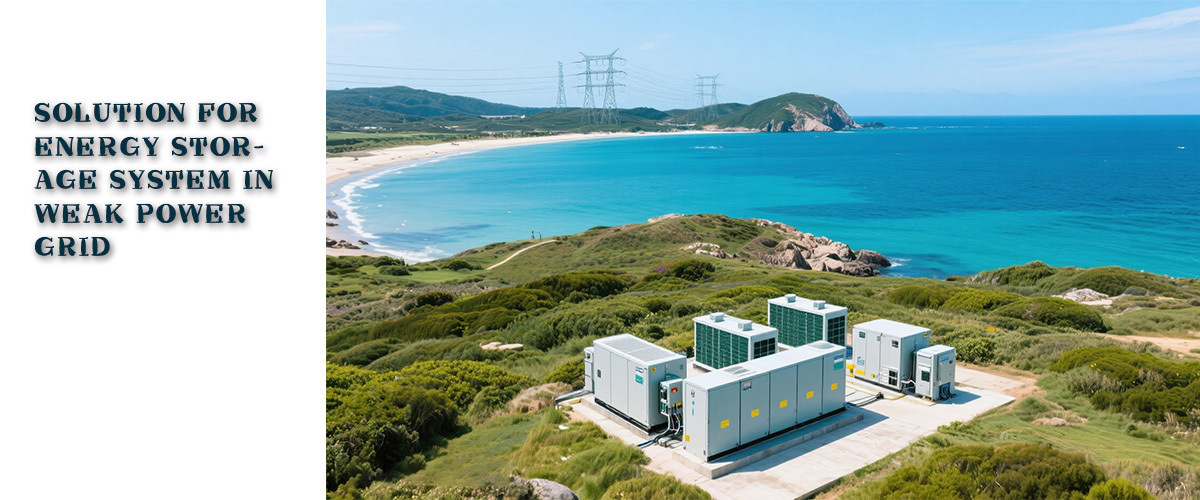
Integrating multi-megawatt hubs directly into municipal grids poses severe challenges. On-demand energy storage integration, smart microgrid scheduling, and active local monitoring are vital to eliminate localized grid collapse threats.
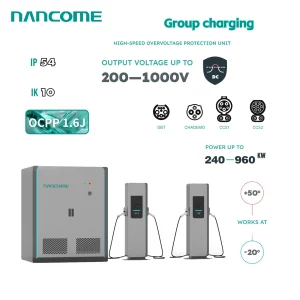
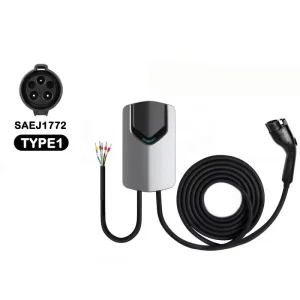
Different markets mandate specific safety, communication, and billing standards. From OCPP 1.6J compliance for European public tenders to J1772 and CCS1 architectures for the North American market, custom modular design is essential.
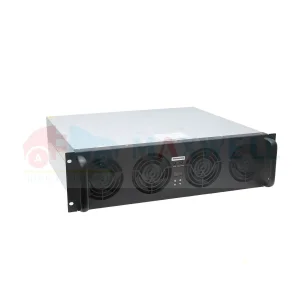
Traditional deployment models often overlook structural degradation from thermal cycles in ultra-fast DC systems. Irvion's architecture integrates high-density, low-noise power modules (e.g., our 50kW 1000V modules) combined with real-time temperature feedback loop controls. This prolongs active semiconductor life by 35% compared to generic retrofitted air-cooled piles, offering massive O&M cost savings over a standard 10-year lifecycle.
Universal chargers fail to handle localized challenges. We design custom solutions targeting key industrial sectors to ensure optimal interoperability and structural durability.
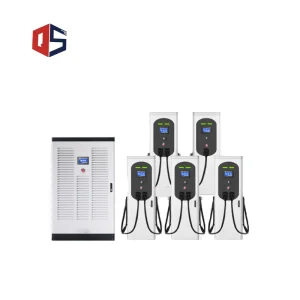
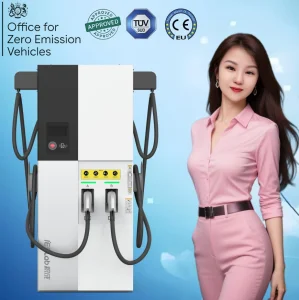
High-voltage travel hubs require dynamic power sharing between dual guns. Our 180kW to 240kW DC fast charging systems distribute energy to vehicle batteries based on real-time state of charge (SoC), ensuring rapid vehicle turnover.
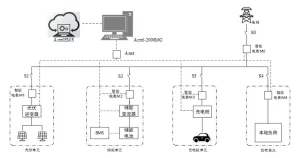
Using systems like the Acrel-2000mg Energy Management platform, facility managers combine solar arrays, battery storage, and dynamic charging piles. This allows depots to operate off-grid during peak tariff hours, lowering electricity bills.
Designed for multi-family residential complexes or corporate offices where power is limited. Using 22kW wallboxes, the chargers balance current distribution automatically, ensuring cars charge safely without overloading the building.
A look at the technology milestones guiding Irvion's research and product development from 2024 to 2030.
Perfecting ultra-low noise 50kW charging modules operating up to 1000V. Maximizing module efficiency to 96.5% and reducing stand-by losses. Standardizing OCPP 1.6J integration for remote diagnostics and automated billing.
Implementing Vehicle-to-Grid (V2G) systems allowing EV batteries to feed power back into the grid. Launching Megawatt-class charging units for electric aviation, marine vessels, and heavy-duty logistics fleets.
Deploying AI algorithms to monitor charging cable temperatures, connector wear, and power module efficiency. Predicting faults before they occur to achieve a near-zero unplanned downtime service model.
Clear, highly technical answers to common queries from electrical contractors, grid operators, and procurement managers.
The Acrel-2000mg system monitors local PV solar generation, battery energy storage systems (BESS), and commercial building loads in real time. It uses Modbus-TCP and OCPP protocols to dynamically adjust the max current output of our chargers. When grid demand peaks or local solar drop occurs, the system curtails charger power to prevent exceeding contract demand limits, avoiding heavy peak-demand charges.
Using 50kW 1000V modules reduces the complexity and component count inside the charger cabinet. A 150kW charger only requires three 50kW modules instead of seven to eight smaller modules, significantly lowering failure points, simplifying thermal management, and improving heat dissipation. Additionally, the 1000V capability allows efficient, high-voltage charging for newer passenger cars and electric buses without requiring internal transformers.
Our chargers undergo validation tests with major global CSMS (Charging Station Management System) platforms. We support core OCPP profiles including Core, Firmware Management, Smart Charging, Local Auth List Management, and Reservation. This guarantees that fleet operators can seamlessly integrate our hardware into their existing billing and asset monitoring software.
In remote areas or locations with limited grid access, bringing in new utility lines is expensive. Our J1772 Solar-powered charging stations use built-in MPPT controllers to convert solar DC directly into storage energy, supplying clean AC or DC power to vehicles. This setup provides zero-carbon, cost-effective charging for fleet hubs and public parking areas.
Our DC charging stations feature comprehensive electrical protection systems, including over-voltage, under-voltage, overload, short circuit, leakage current (Type B RCCB), ground protection, over-temperature monitoring, and lightning surge protection. The cabinets are rated IP54/IP55 for harsh outdoor environments, ensuring safe, reliable operation in extreme cold, heavy rain, or dusty locations.
Explore our versatile catalog of high-power public chargers, modular hardware, and heavy-duty fleet solutions built for international markets.
 Irvion Charger