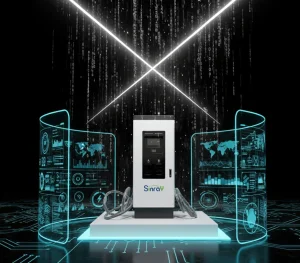
Rapid-deployment, battery-buffered DC fast chargers designed to bypass local grid limitations in Vanuatu.
The Republic of Vanuatu is executing an ambitious green transition under its updated National Energy Road Map (NERM), targeting close to 100% renewable electricity generation. However, the geographic dispersal across its 83 volcanic islands poses intense challenges for standardized utility networks. Local microgrids, particularly on the outer islands of Malekula, Espiritu Santo, and Tanna, as well as the main grid in Port Vila, operate under strict threshold capacities. Direct high-power electric vehicle (EV) charging demands represent severe transient surges that risk compromising grid stability.
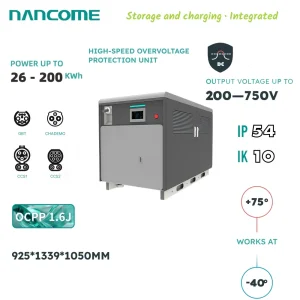
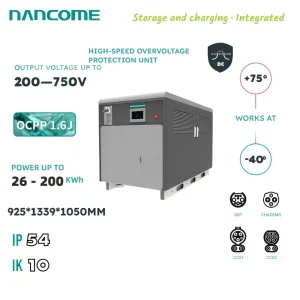
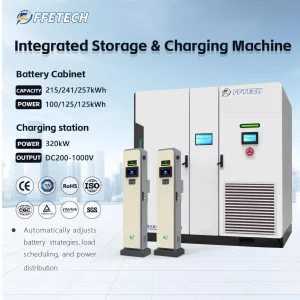
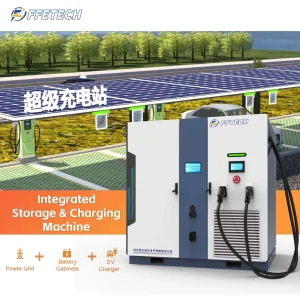
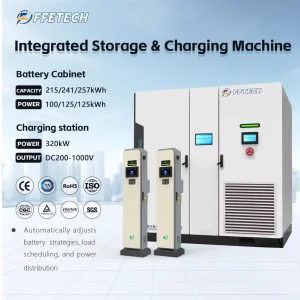
Traditional utility upgrades—involving submarine cabling, transformer overhauls, and distribution pole replacements—are cost-prohibitive and take years to deploy. Mobile Energy Storage DC Charging Units solve this immediately. By combining high-density Lithium Iron Phosphate (LFP) storage with integrated DC dispensers, these units act as intelligent grid buffers. They charge dynamically from standard solar arrays or low-amperage grid connections during off-peak periods and discharge high-capacity power (up to 320 kW) on-demand to EVs, commercial vans, and heavy logistics fleets.
Strategic Insight for Vanuatu Project Directors: Deploying stationary EV fast chargers requires extensive civil works, complex utility negotiations, and environmental impact assessments. Mobile EV charging units, operating as self-contained electrical systems, bypass standard zoning and environmental permits, shortening deployment times from 18 months to less than 60 days.
Off-grid Capable
Civil Works Required
Corrosion Rating
Enclosure Rating
Engineering remote island infrastructure demands hardware configurations that tolerate voltage sags, grid phase shifts, and high ambient temperatures. The table below details why battery-buffered mobile units outperform standard grid-tied commercial chargers in developing markets:
| Performance Metrics | Standard Grid-Tied Charger (120kW) | Mobile Battery-Buffered DC Charger (100-141kWh) | Vanuatu Operating Advantage |
|---|---|---|---|
| Grid Connection Needed | Requires direct 3-Phase AC 400V link | Flexible input (AC 220V/380V or direct solar input) | Allows utilization of existing rural low-voltage lines. |
| Discharge/Charging Power | Constrained by instantaneous grid capacity | Independent high-rate discharge (Up to 320kW) | Delivers rapid charging even in areas with weak grids. |
| Installation Complexity | High (requires concrete pads and transformer upgrades) | Plug-and-play (trailer, skid, or vehicle mounted) | Zero site-prep investment; units are easily relocated. |
| Emergency Backup Function | Inoperable during power outages | Bi-directional V2X & direct AC auxiliary out | Acts as emergency power backup during severe tropical cyclones. |
| Corrosion Resistance | Standard industrial paint protection | Marine-grade anti-corrosive powder coating | Resists salt mist and high humidity in coastal locations. |
The geography of Vanuatu demands localized configurations. Our mobile systems are designed to address specific transport, utility, and environmental conditions:
Resorts on Espiritu Santo or Efate can position Nancome 100kwh battery units near guest bungalows. The units capture daytime excess solar power and deploy it to guests' EV rentals overnight, maintaining an off-grid green profile.
During cyclones, grid power can be down for weeks. Trailer-mounted mobile storage chargers serve as grid-independent mobile power hubs, supplying energy to telecommunications, rescue operations, and electric fleet support vehicles.
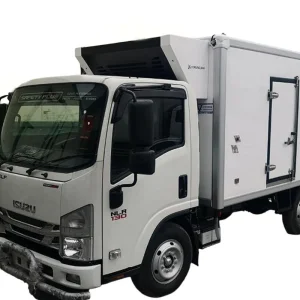
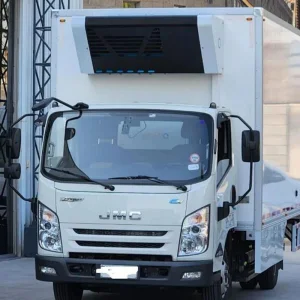
Combining mobile battery systems with electric truck refrigeration units maintains food safety standards at regional ports and rural cooperative hubs, preserving catch quality while waiting for transport.
Sourcing mobile EV charging systems from Guangzhou Irvion Charger Co., Ltd. delivers direct procurement benefits, specialized engineering capabilities, and high-performance battery integration. Our manufacturing processes focus on several key pillars:
Explore our full line of mobile battery-buffered, high-power DC fast stations and commercial EV refrigeration systems.
Guangzhou Irvion Charger Co., Ltd. is a leading provider of smart EV charging solutions, dedicated to advancing sustainable mobility through innovative and intelligent power management systems. Established with a vision to support the global transition to electric vehicles, Irvion Charger integrates cutting-edge technology, high-quality manufacturing, and customer-focused services to deliver reliable and efficient charging solutions for diverse applications.
Our product portfolio includes home EV chargers, commercial charging stations, and fleet management systems, all designed to optimize energy usage, enhance safety, and provide seamless connectivity. With intelligent software platforms, users can monitor charging status, schedule sessions, and access real-time analytics to maximize efficiency and convenience.
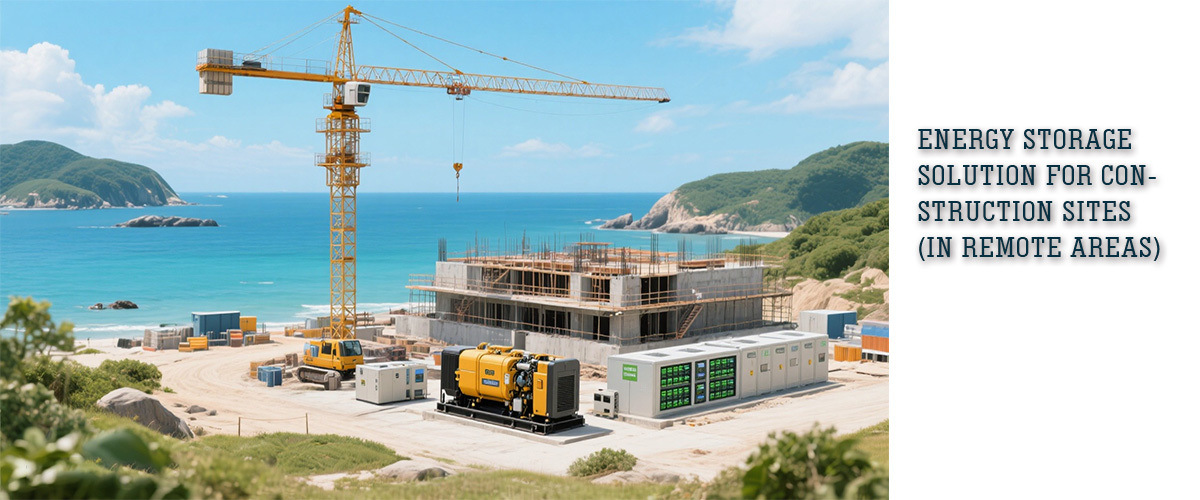
Committed to sustainability and innovation, Guangzhou Irvion Charger Co., Ltd. continuously invests in R&D to develop next-generation charging infrastructure, supporting both residential and commercial clients in achieving their electrification goals. Our solutions comply with international safety standards and are tailored to meet the evolving demands of the rapidly growing EV market.
By combining smart technology, robust engineering, and exceptional customer support, Irvion Charger empowers individuals, businesses, and municipalities to embrace electric mobility confidently, contributing to a cleaner, greener future worldwide.
To support procurement and grid integration planning for the Vanuatu market, our technical engineering team has detailed answers to common deployment questions:
 Irvion Charger