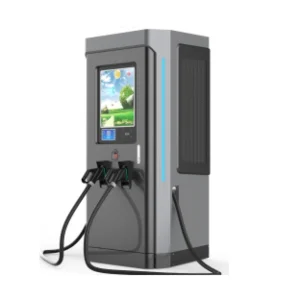
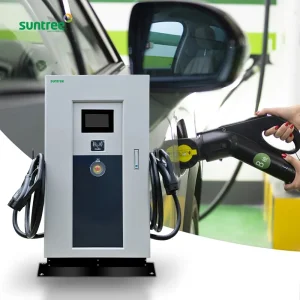
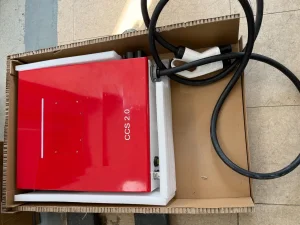
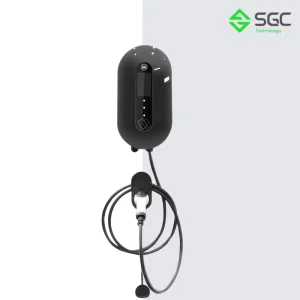
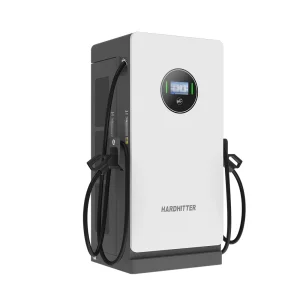
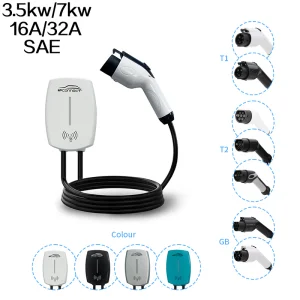
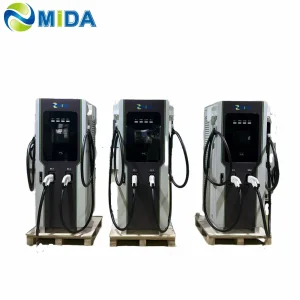
As the global electric vehicle (EV) market transitions from early adoption to mass-market saturation, the role of Automated Charging Systems (ACS) has evolved from a futuristic luxury to a critical operational necessity. For global enterprises—ranging from logistics giants to municipal transit authorities—the procurement focus has shifted from simple hardware acquisition to Total Cost of Ownership (TCO) and Operational Resilience.
Modern procurement requirements now demand systems that offer unattended operation, high-frequency charging cycles, and seamless integration with Fleet Management Systems (FMS). China's leading factories have recognized this trend, positioning themselves as premier suppliers by integrating AI vision, robotic positioning, and liquid-cooling technologies into their manufacturing core.
The roadmap for automated charging is defined by three primary technological pillars: Connectivity, Autonomy, and Thermal Management.
Utilizing OCPP 2.0.1 and ISO 15118 (Plug & Charge), systems now communicate directly with the vehicle's BMS to optimize load balancing and peak shaving without human intervention.
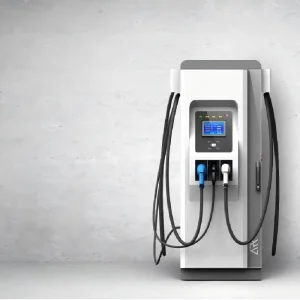
Transitioning from manual plugging to robotic arms and high-efficiency wireless induction. This eliminates the "last meter" friction in autonomous fleet depots.
Addressing the heat constraints of 350kW-600kW charging. Active liquid cooling in both the power module and the charging cable ensures maximum longevity and safety.
Future-proofing industrial infrastructure requires a pivot toward V2G (Vehicle-to-Grid) capabilities. In this paradigm, automated charging stations act as decentralized energy nodes, capable of feeding power back into the grid during peak demand, turning a cost center into a potential revenue stream for commercial operators.
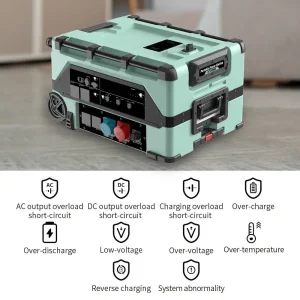
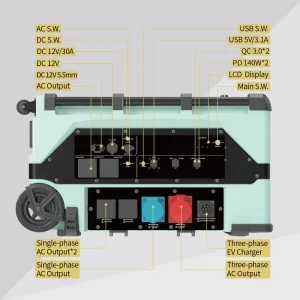
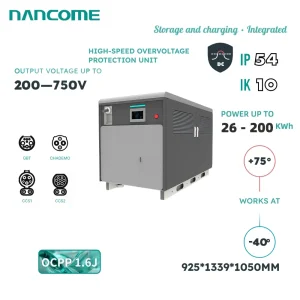
The current global commercial landscape shows a bifurcated demand: Western markets (North America & EU) are heavily focused on Grid Compliance and Interoperability, while Emerging Markets prioritize Scalability and Mobile Energy Storage.
Automated depots for electric vans where charging occurs during loading cycles. Reduces downtime and maximizes vehicle utilization rates.
Pantograph systems and high-power DC stations tailored for electric buses, requiring 100% reliability for municipal service schedules.
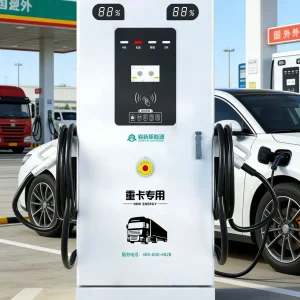
Ruggedized, automated charging solutions for heavy-duty electric trucks operating in harsh, dust-heavy environments where manual charging is hazardous.
Guangzhou Irvion Charger Co., Ltd. is a leading provider of smart EV charging solutions, dedicated to advancing sustainable mobility through innovative and intelligent power management systems. Established with a vision to support the global transition to electric vehicles, Irvion Charger integrates cutting-edge technology, high-quality manufacturing, and customer-focused services to deliver reliable and efficient charging solutions for diverse applications.

Our product portfolio includes home EV chargers, commercial charging stations, and fleet management systems, all designed to optimize energy usage, enhance safety, and provide seamless connectivity. With intelligent software platforms, users can monitor charging status, schedule sessions, and access real-time analytics to maximize efficiency and convenience.
Committed to sustainability and innovation, Guangzhou Irvion Charger Co., Ltd. continuously invests in R&D to develop next-generation charging infrastructure, supporting both residential and commercial clients in achieving their electrification goals. Our solutions comply with international safety standards and are tailored to meet the evolving demands of the rapidly growing EV market.
By combining smart technology, robust engineering, and exceptional customer support, Irvion Charger empowers individuals, businesses, and municipalities to embrace electric mobility confidently, contributing to a cleaner, greener future worldwide.
Navigating the complex regulatory environment is the biggest hurdle for international procurement. Top China suppliers now offer comprehensive compliance packages to ensure seamless integration into local markets.
 Irvion Charger