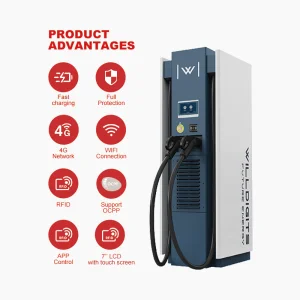
 Commercial Hot Sale 60kw-120kw DC EV Charger Station
Parallel Charging DC EV Charger with Ocpp
Commercial Hot Sale 60kw-120kw DC EV Charger Station
Parallel Charging DC EV Charger with Ocpp
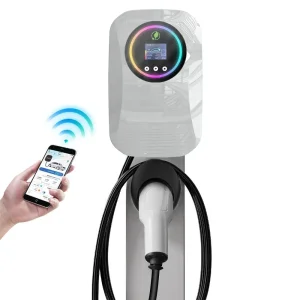 22kw Type2 EV Charger Wallbox 3-Phase Ocpp 1.6
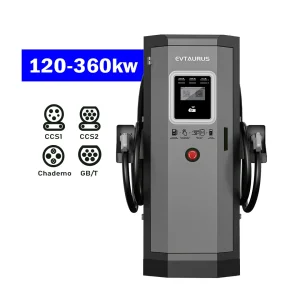 Ultra Fast DC Charging Station New Energy Commercial
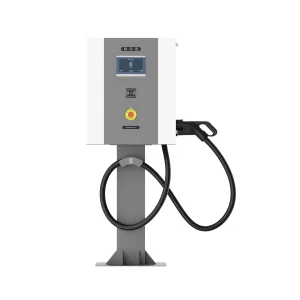 Integrated DC Fast EV Charging Station CCS1 CCS2
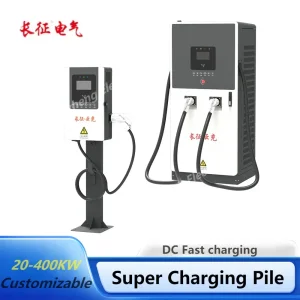 20kw - 400kw Advanced Ultra-Fast DC EV Station
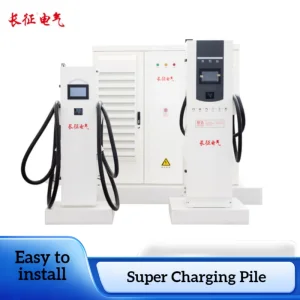 Industrial-Grade Multi-Port DC Fast Charging Station
Multi-Port EV Charging System for Retail Complexes
Industrial-Grade Multi-Port DC Fast Charging Station
Multi-Port EV Charging System for Retail Complexes
The retail landscape is undergoing a monumental shift. As internal combustion engines are phased out globally, Retail Parks—characterized by large parking areas and extended dwell times—have become the strategic frontline for EV charging infrastructure. No longer just a luxury, providing EV charging stations is now a critical commercial necessity to attract high-spending customers and meet environmental mandates.
In Europe and North America, retail giants are transforming parking lots into "Energy Hubs." For property owners, the integration of 40kw to 400kw DC fast chargers offers a dual benefit: a new revenue stream and a significant boost to CSR (Corporate Social Responsibility) scores. The industrial trend is moving toward "Destination Charging Plus," where ultra-fast charging allows shoppers to gain 100km of range in the time it takes to grab a coffee.
Standard AC charging is being replaced by DC Fast Charging (60kW-120kW) in retail environments to match the typical 45-90 minute shopping duration.
Load balancing technology ensures that a retail park can charge 50 cars simultaneously without overwhelming the local power grid, using AI to prioritize energy flow.
Seamless integration between hardware and mobile apps allows for cashless payments, remote monitoring, and targeted marketing for retailers.
Procurement officers for international retail chains face diverse challenges based on local regulations and electrical standards. Whether it's the CCS2 standard in Europe, the NACS standard in North America, or GB/T in Asia, suppliers must offer localized, certified hardware that ensures safety and interoperability.
As the world's largest EV market, China has developed an unparalleled supply chain for charging infrastructure. Working with a Chinese factory like Guangzhou Irvion Charger Co., Ltd. provides specific industrial advantages:
Our mature supply chain allows us to offer high-performance 120kw DC chargers at a fraction of the cost of local European or American suppliers, with faster ROI for retail operators.
We iterate technology monthly. From integrated Solar-EV systems to liquid-cooled ultra-fast stations, our R&D speed keeps your retail park at the cutting edge.
From PCB design to metal cabinet fabrication, we control the entire manufacturing process, ensuring consistent quality and strict adherence to timelines.
Guangzhou Irvion Charger Co., Ltd. is a leading provider of smart EV charging solutions, dedicated to advancing sustainable mobility through innovative and intelligent power management systems. Established with a vision to support the global transition to electric vehicles, Irvion Charger integrates cutting-edge technology, high-quality manufacturing, and customer-focused services to deliver reliable and efficient charging solutions for diverse applications.
Our product portfolio includes home EV chargers, commercial charging stations, and fleet management systems, all designed to optimize energy usage, enhance safety, and provide seamless connectivity. With intelligent software platforms, users can monitor charging status, schedule sessions, and access real-time analytics to maximize efficiency and convenience.
Committed to sustainability and innovation, Guangzhou Irvion Charger Co., Ltd. continuously invests in R&D to develop next-generation charging infrastructure, supporting both residential and commercial clients in achieving their electrification goals. Our solutions comply with international safety standards and are tailored to meet the evolving demands of the rapidly growing EV market.
By combining smart technology, robust engineering, and exceptional customer support, Irvion Charger empowers individuals, businesses, and municipalities to embrace electric mobility confidently, contributing to a cleaner, greener future worldwide.
Industrial Multi-Port DC Fast EV Charging Station
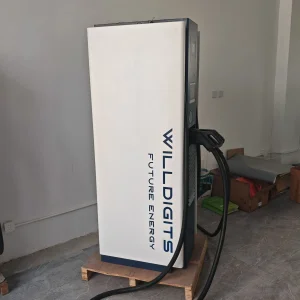 Fast 40/60/80/120kw DC EV Charger Station
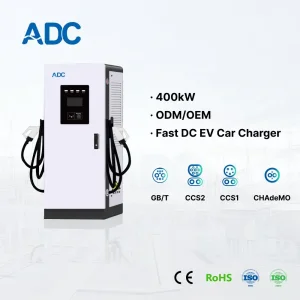 OEM/ODM 400kw DC Fast Solar Powered EV Station
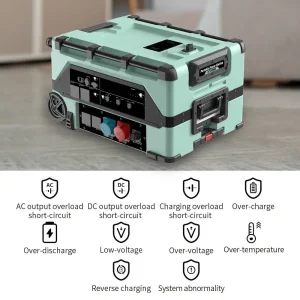 Three-Phase Portable Solar Generator Power Station
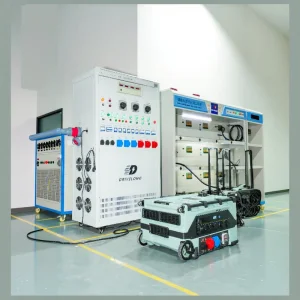 12kw Portable Three-Phase Solar Station (Stackable)
Stackable Solar Power Solution for Remote Retail
High-Capacity Wireless Charging Solar Power Hub
Portable Multi-Application Solar Energy Station
12kw Portable Three-Phase Solar Station (Stackable)
Stackable Solar Power Solution for Remote Retail
High-Capacity Wireless Charging Solar Power Hub
Portable Multi-Application Solar Energy Station
The integration of Electric Vehicle (EV) charging stations into retail parks is no longer a peripheral service; it is a core infrastructure requirement that dictates property value and consumer traffic. As the global fleet of electric vehicles grows, the demand for reliable, high-speed charging in public spaces is skyrocketing. Retail parks, with their vast parking footprints and accessibility, are ideally positioned to bridge the gap between home charging and long-distance highway charging.
The application of EV chargers in retail varies significantly by location. In Urban Retail Centers, where residential off-street parking is limited, shoppers use retail parks as their primary weekly charging destination. This requires high-turnover DC chargers. Conversely, in Out-of-Town Shopping Malls, chargers are used to "top up" while families spend 3-4 hours shopping and dining. Here, a mix of 22kW AC chargers and 60kW DC chargers is often the most cost-effective deployment strategy.
Suppliers like Guangzhou Irvion are leading the way with OCPP 1.6 and 2.0.1 compliance. This Open Charge Point Protocol is vital for exporters because it allows the hardware to talk to any software backend. For a retail park owner in London or Berlin, this means they can switch payment providers without needing to rip out and replace their physical charging posts. Furthermore, Parallel Charging technology allows a single 120kW unit to split its power between two cars (60kW each), maximizing utility during peak shopping hours.
Studies show that EV owners typically have higher-than-average disposable income. By offering Best Commercial DC Fast Chargers, retail parks attract this demographic. Additionally, the presence of chargers can be integrated into loyalty programs—for example, "Spend $50 and get 30 minutes of free charging." This synergy between energy and retail is creating new business models where the energy itself might be a loss-leader to drive high-margin retail sales.
The next frontier for retail park charging is the Solar Powered EV Charging Station. By utilizing the large roof areas of retail warehouses to install solar panels, park owners can generate their own clean electricity to power the EV chargers. Our 400kW Solar-Ready DC chargers are designed specifically for this industrial application, reducing the strain on the national grid and lowering operational costs to near zero during daylight hours.
 Irvion Charger